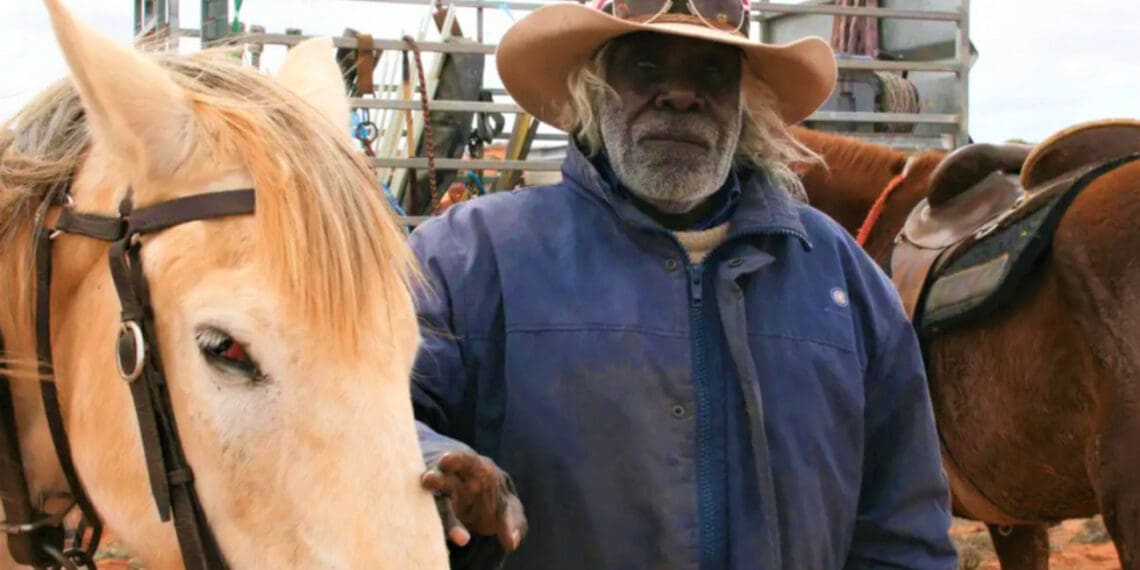
Much of the debate on indigenous agriculture in Australia has focused on a contested pre-colonial definition as to whether Aboriginal and Torres Strait Islander people deserve the English title of “farmer”.
However, this view stifles the real story of indigenous engagement in western agriculture. It also fails to recognise the inherent need for indigenous peoples’ involvement in the sector.
In 2020, the Australian department of agriculture, water and environment conducted a series of roundtables to develop the National Agriculture Workforce Strategy.
The strategy noted the urgency of transforming the agricultural workforce into a “complex, modern, sophisticated sector”.
There is no doubt the agricultural workforce is changing.
However, there’s a worryingly unsophisticated understanding of workforce diversity within the sector – especially in terms of indigenous involvement in agriculture.
Agriculture must connect with indigenous people
There is a critical and overdue need for agriculture to connect with indigenous people.
This is best demonstrated through the indigenous land holdings across the nation.
The Guardian Australia recently noted Aboriginal and Torres Strait Islander people own up to 54.17% of Australia’s landmass.
This is comparable to the National Indigenous Australians Agency estimate of indigenous land ownership, which puts the figure at around 40%.
This extensive landholding by First Nations people is an essential component of the continued practice of agriculture in Australia. But despite indigenous people owning these vast areas of land, only 1% of the agricultural workforce identify as indigenous.
This rate is unacceptably low, given 3.3% of Australia’s population more broadly identify as indigenous.
The National Agriculture Workforce Strategy identifies solutions to this lack of indigenous workforce. Solutions such as promoting indigenous people in agriculture through marketing, and fostering Aboriginal and Torres Strait Islander leadership in this sector.
However, these proposed strategies fail to acknowledge broader concerns about inadequate indigenous representation in the sector.
Better data and a pipeline of graduates
To date, there has been no concerted effort across the agriculture sector to understand the size and scale of current Aboriginal and Torres Strait Islander involvement, nor their agricultural production.
For example, the Australian Bureau of Statistics’ Agriculture Census does not provide the opportunity for farmers to identify as indigenous. Agriculture research and development corporations usually don’t collect these data, either.
There are also pipeline issues regarding indigenous involvement in the sector. A recent study of 15 years of data by one of us (James Pratley) demonstrated universities had a low attraction and retention rate for indigenous students. Fewer than five indigenous students graduate in agriculture across Australia each year.
Despite the lack of university graduates, Australia has a growing indigenous youth demographic, which could contribute to a much-needed workforce in future.
To encourage indigenous people to enter agriculture, we need to show Aboriginal and Torres Strait Islander people belong in the sector. They need to feel welcome in our universities and TAFEs and we must better support those entering the industry.
Charles Sturt University has developed an indigenous agriculture initiative drawing attention to the lack of indigenous agriculture graduates. It also provides indigenous students scholarships to study agriculture and/or do postgraduate research on aspects of indigenous agriculture.
This provides indigenous people with a pathway into agricultural industries and shows indigenous people what opportunities exist.
ALSO READ: Indigenous health: Mzansi is rediscovering its food treasures
Attracting and retaining indigenous talent
It’s also imperative larger agricultural companies develop Reconciliation Action Plans (detailed, long-term strategies to meaningfully advance reconciliation between indigenous and non-indigenous people within an organisation). Big firms must also start or renew their efforts towards building more diverse workforces and supply chains.
Over 1 100 Australian organisations have followed this path.
Agricultural companies such as Incitec Pivot, OBE Organics and Bayer have recently developed Reconciliation Action Plans. Other agricultural businesses and industries need to ensure their houses are in order too.
Reconciliation Action Plans provide a pathway for organisations to advance reconciliation across their business. This can be done through identified actions such as increasing indigenous staff and initiatives for staff. Organisations are accountable for these actions through the Reconciliation Action Plan they develop.
With this years theme of #HealCountry for #NAIDOCWeek2021, I wanted to call out to Australian Agriculture and say we are ready to yarn!https://t.co/Oq1FwAgNeX#agriculture #climate #sustainability #climatechange #NAIDOCWeek #NAIDOC #IndigenousX #Indigenous #Aboriginal #farming
— Joshua Gilbert (@GilbertJoshuaM) July 5, 2021
As these Reconciliation Action Plans mature, employers in the agricultural sector will seek out indigenous talent to meet targets and to crucially provide new perspectives.
Indigenous people’s input and talent is vital to modernising the agricultural sector. There is a huge opportunity to build employment pipelines from schools through universities into the broader agrifood industry.
A clear understanding of the size and scale of current indigenous agricultural contributions is sorely needed.
Industry leaders who work to establish and grow the talent pipelines and develop Reconciliation Action Plans will reap the rewards.
This article was written by Joshua Gilbert and James Pratley and originally published by The Conversation.
ALSO READ: Agripreneur 101: Making soap the indigenous way
Sign up for Mzansi Today: Your daily take on the news and happenings from the agriculture value chain.