We have all heard of the magic of aloe vera and its ability to heal wounds and even remove parasites in the human body.
We have come to learn that amadumbe (Colocasia esculenta) is food treasure highly revered as the nutty, creamy counterpart of the potato. We have seen footage of both man and elephant intoxicated by the bushveld’s marula fruit.

They may be ancient in their existence, but more recently indigenous foods have seen a steady increase in popularity. Researchers point to their potential in diversifying South African agriculture, alleviating poverty and improving human health.
Cape Town-based “bush doctor” and practitioner of indigenous health Carlo Randall says these foods are a lifeforce for rural communities, and the nation also wants a taste.
“Culturally, indigenous food is making a comeback in communities across the country. These are foods that heal and are our connection to the land.”
Now more than ever there is an increased urgency in safeguarding and preserving food treasures. Not only do they hold tremendous nutritional value, but they are also therapeutic and have medicinal value that indigenous people have been reliant on for years, says KwaZulu-Natal farmer and researcher Qinisani Qwabe.

“If we would live in a time where there is a shortage or complete extinction of these indigenous plants it means people will suffer,” he says.
“They are not able to go to the clinics or hospitals and cannot afford medication, they rely on these plants. If the plants die out, we will see a society that is unable to sustain itself in as far as health is concerned.”
Food For Mzansi asked around and came up with a list of seven indigenous foods that are experiencing an upsurge in interest:
Amaranth: meet the leafy cousin of spinach
This ancient crop of grains and leaves is a good source of iron and is drought tolerant, says agricultural research council researcher Dr Willem Jansen van Rensburg.
“The biggest benefit of Amaranth has got to be its nutrient content. It is nutrient dense like spinach and can be used as a plant-based protein.”
READ MORE: Eastern Cape entrepreneur takes amaranth to wider market

Cowpea: power to the peas
The leaves of the cowpea plant (Vigna unguiculata) are often dried and used as a meat substitute in high-plant diets. The seeds are also cooked, fried, or sometimes used for fertiliser, Van Rensburg adds.
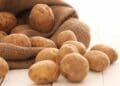
African potato: an indigenous medicine
African potatoes are a medicinal plant with a huge demand amongst herbalists, says Qwabe. While they are experiencing an increase in demand, no one seems to be growing them, he says.
“We might be heading into an era where we see a scarcity of those. We need people who are going to grow them because herbalists use them, and no one is putting them back into the ground. Herbalists use them in most of their products.”
Seafood: poached by the forgotten
Internationally the demand for heritage fish from Mzansi shores have increased significantly, to the point where locals have now turned to illegal poaching to get their hands on perlemoen, crayfish and kabeljou, notes Randall.
He says, “These seafood varieties have now become non-existent in our communities because of the increase in demand. Most communities now poach them to survive.
“Indigenous seafoods are considered exotic in international markets, but it has come to a point where locals cannot afford them.”
Sweet potato: potato’s beloved sister
They may not be as popular as their potato counterpart, but sweet potatoes play a crucial role in food security and the alleviation of malnutrition.

The indigenous tuber makes for a hardy crop and is grown by many resource-poor farmers in major production areas including Limpopo, Mpumalanga, KwaZulu-Natal and the Western Cape.
Qwabe explains that South Africans can be very picky with their sweet potato. “KZN trades a lot of sweet potato but people who buy do not want the sweet potato that is originally from KZN, they want the Eastern Cape variety.”
Sweet potatoes with orange flesh are said to be richest in beta-carotene, which is converted into the essential vitamin A by the human body.
READ: Kitchen experiment opens doors for sweet potato yoghurt entrepreneur
Teas and herbs: brewed for healthy goodness
The market for South African herbal teas has ballooned worldwide, and Mzansi’s indigenous rooibos and honeybush teas are increasingly prized in the European, American, and Chinese markets.

Also read: A front row seat to rooibos harvest in Clanwilliam
Randall notes an increase in kapokbos or wild rosemary (Eriocephalus Africanus) which is indigenous to the Western Cape and known for its healing properties.
Herbs set to increase in local demand include African sage and imphepo. He cautiously adds, “African sage and imphepo are commonly confused and are from totally different species of plant.”
Both varieties are commonly used in African spirituality, dried herb bundles are used as smudge sticks. They are also used in offerings and spiritual guidance.
Aloe vera: ancient medicine

For centuries Mzansi’s indigenous peoples, including the San and Khoi and Nguni cultures, have believed aloe vera to possess healing and regenerative powers.
Verbal history and ancestral knowledge have plenty of stories of its ability to heal wounds, cure ringworm, boils, ulcers and even treat tapeworm. The succulent’s bitters were also often extracted to treat gout, rheumatism, arthritis, and some stomach ailments.
Qwabe says, “To (the elders) when you speak about aloe, amadumbe and all those things, they just look at you. To them this is their lifestyle.
“People are relying on aloe for different illnesses like diabetes and high blood pressure.”