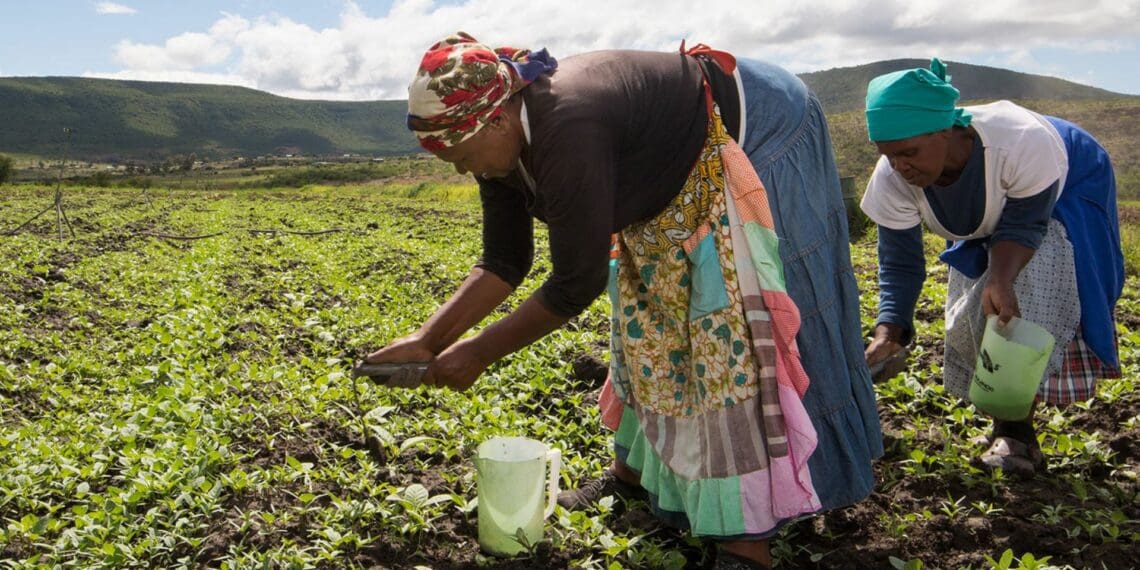
Black tobacco farmers in South Africa are halting production and seeking out crop diversification options. South Africa’s booming illicit tobacco industry and “destructive” legislation have led to the demise of black tobacco farmers, said Tobela Tapula, the CEO of South Africa Tobacco Transformation Alliance.
“We used to have almost 300 black tobacco farmers. Now we are only sitting at 10 farmers who are producing tobacco in the country,” Tapula told Food For Mzansi.

This decline is rooted in the falling away of customer demand for legal tobacco. This is mainly due to the country’s booming illicit trade industry, Tapula explained.
With no markets to buy their tobacco leaves, farmers have started clearing out their tobacco fields in North West, the Eastern Cape, Mpumalanga, KwaZulu-Natal, and Limpopo.
“The reason why we have 10 is because these farmers have an immediate market which is the Limpopo tobacco processor. Even the commercial farmers are leaving the industry to produce other vegetable crops because there is no economic viability,” Tapula said.
‘Our hand has been forced’
Shadrack Sibisi is one of many Mpumalanga tobacco farmers who tapped out and is now farming with soybeans.
“I did not switch to soybeans, the circumstance forced me and other farmers to abandon tobacco. It was never voluntary. When there is no market you have no other option,” he said.
“If they were to tell me that the market for tobacco is back, I would jump back on tobacco farming without thinking twice. I have taken a lot of time to master the art of tobacco farming.”
Sibisi started planting soybeans in November 2022 and recently harvested. Unlike tobacco, he has a steady market in place for his soybeans.
But this new venture is not without challenges, he said. “Early in February disaster struck my farm. We had heavy floods that buried my soybeans. But I still had a good yield. If disaster did not strike I would have harvested three tonnes per hectare.”
Mechanisation is also a challenge. “Planting soybeans is not that difficult but harvesting is challenging for us. We don’t have mechanisation to harvest so we do it manually.”
Agriculture’s bleeding industry
Tobacco farmers in the country have suffered tremendous setbacks, primarily because of the growth of the illicit sector during the Covid-19 lockdown, when cigarette sales were banned.
The illicit tobacco trade, before the lockdown period, accounted for about 32% to 50%of the market. The illicit tobacco trade now makes up 70% of cigarettes consumed locally.
“The industry is bleeding because of the illicit tobacco trade. In all honesty, the legal tobacco industry is not doing well and that means the farmers are not doing well because the demand for tobacco has declined,” Tapula said.
Adding to this strain is the government’s tobacco bill. According to Tapula, the bill in its current form contains stringent regulations that would eventually lead to the demise of South Africa’s tobacco industry.
Light at the end of tunnel
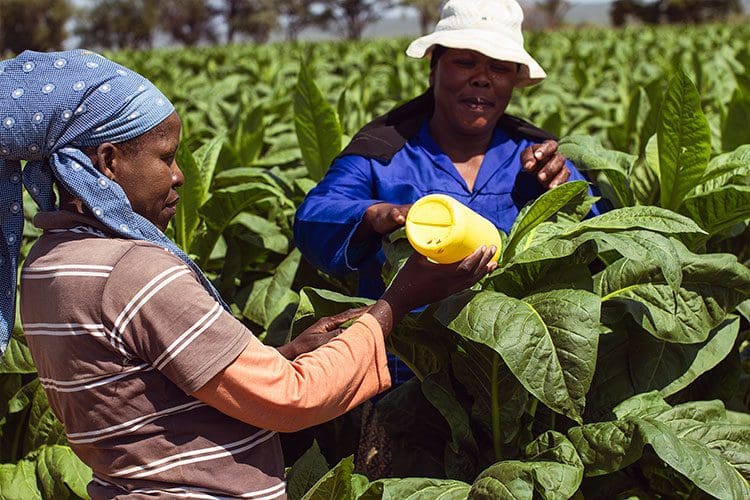
Most smallholder tobacco farmers in the country currently have no viable alternative income sources. However, Tapula said they are working hard to ensure that farmers are not left destitute.
“What is keeping me busy now is to find these black producers alternative economic opportunities.
“Farmers have indicated their interests in soybeans, sugar beans, cabbages etc. We looked for markets and it is not easy because big retailers want big [value] and most black farmers only utilise less than five hectares,” Tapula explained.
In addition, the South Africa Tobacco Transformation Alliance is partnering with the South Africa Israel Chamber of Commerce to support farmers financially and non-financially.
“This means we train them on new agricultural technologies on how to produce high-end crops, soyabeans, blueberries and so on. So that they can export some of those products to Israel and sell into local markets.”
The involvement of the SA-Israel Chamber of Commerce is yielding positive results, Tapula said. This, he added, would ensure that black “emerging farmers” who have been dependent on the industry for decades are not left starving.
Health champions advocate for sustainable crops
Meanwhile, the World Health Organisation and public health champions around the world will come together today to celebrate World No Tobacco Day under this year’s theme “We need food, not tobacco”.
The 2023 global campaign aims to raise awareness about alternative crop production and marketing opportunities for farmers and encourage them to grow sustainable, nutritious crops.
“It will also aim to expose the tobacco industry’s efforts to interfere with attempts to substitute tobacco growing with sustainable crops, thereby contributing to the global food crisis,” WHO said.
The 2023 WNTD campaign calls on governments and policy-makers to step up legislation, develop suitable policies and strategies, and enable market conditions for tobacco farmers to shift to growing food crops that would provide them and their families with a better life.
INDABA TICKETS: Click here to book your seat at a discounted rate
Sign up for Mzansi Today: Your daily take on the news and happenings from the agriculture value chain.