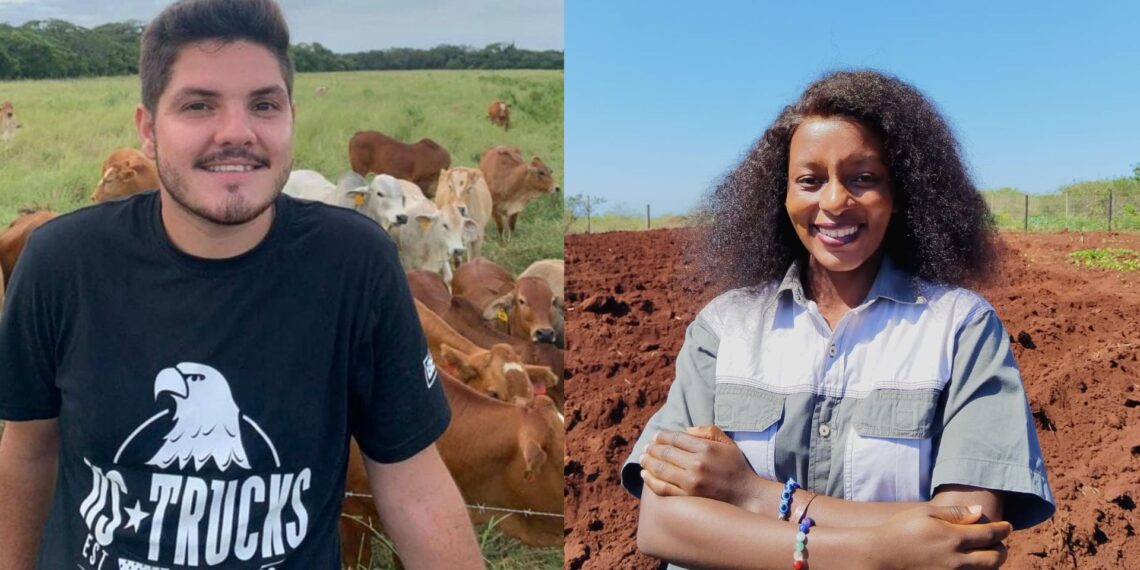
For Luyanda Tshweu and Robert Quinn from Madwaleni in Mtubatuba, KwaZulu-Natal, farming is the future. To them, growing is a solution that feeds the soil, restores balance, and supports health beyond food production. It is also about saving time and confronting poverty.
The duo met at work, where shared concerns about the challenges facing agriculture in Mzansi sparked ongoing conversations. Those discussions later grew into a partnership, giving birth to their agribusiness, Bolu Farming, where they now cultivate crops on a hectare of land, with big hopes for the future.
Tshweu says she and Quinn met through mutual friends and quickly realised they shared the same values, work ethic, and long-term vision. Those shared principles led them into business, and in 2023, they started farming together, focusing on maize and chillies.
At the time, both were balancing full-time jobs. Tshweu was a student teacher, while Quinn was already owning and managing a tavern and tuck shop.
“From the outset, we agreed on a 50/50 partnership in terms of capital investment, shared responsibilities, and decision-making,” Tshweu says.
Where shared values meet farming
Quinn adds, “Farming started as a hobby in my parents’ backyard, with small vegetable gardens, bunnies, chickens, ducks, and pigs. Bolu Farming grew from these very humble beginnings.”
He shares that the name Bolu comes from Boer + Zulu, symbolising unity and collaboration. “We believe we will reach great heights, as we are on a strong and promising trajectory.”
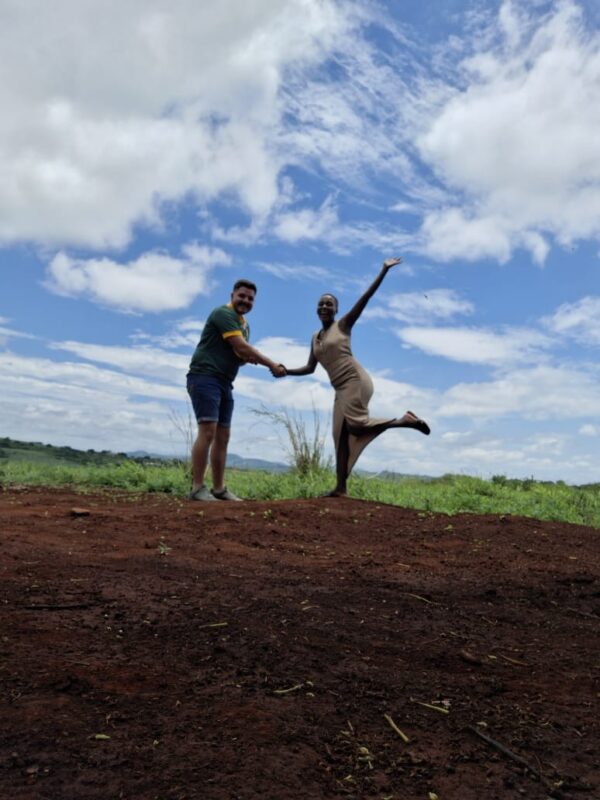
Tshweu explains that responsibilities are shared according to individual strengths, with both partners remaining actively involved beyond working hours.
“Consistent communication has been key to making this partnership work, ensuring that despite busy schedules, the farm continues to grow steadily.”
Luyanda Tshweu
Born and raised in Pella, a village in North West, Tshweu later moved to KwaZulu-Natal when her parents relocated for work. Her interest in farming was sparked during her time at Hoërskool Pioneer, where many of her peers came from farming families.
“I once visited a friend on their farm in Vryheid, and I loved every moment,” she says. That visit helped her envision a future in farming, from growing her own crops and raising animals to supplying retail shops.
Related stories
- Limpopo farmer finds peace, purposein the harvest
- Learning and earning through farming drives Nkaqa
- Goat farmer breeds excellence with farming academy in KZN
Planning beyond maize
Water remains one of the biggest challenges in farming in Mtubatuba. Despite this, maize has proven to be the most reliable crop for the farm, performing well in both production and sales across Mtubatuba and surrounding areas.
While maize remains their core crop, Tshweu says they are planning to introduce peppers and expand into layer chickens. Tshweu acknowledges that poultry farming demands more attention than maize, but believes it is necessary for growth.
“We need eggs for business breakfasts and are looking to build a client base with hotels, lodges, households, and other businesses,” she says. Beyond eggs, she adds, providing fresh, affordable meat is central to their long-term vision.
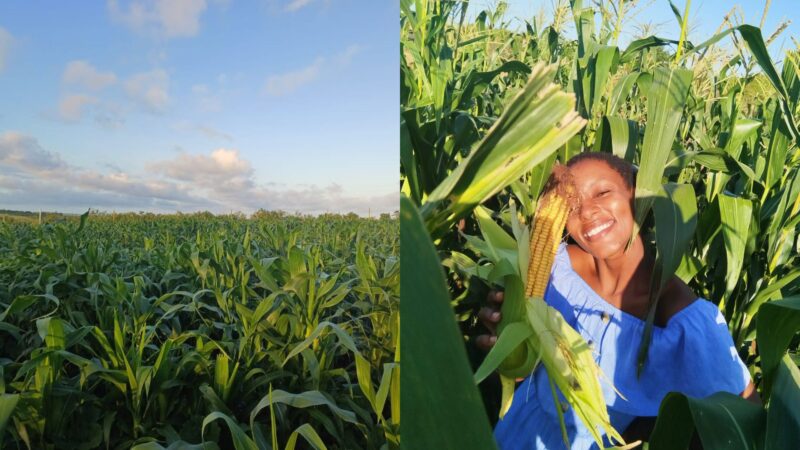
Every crop teaches a lesson
Farming hasn’t been easy, Tshweu admits. One early challenge came when their pumpkins got too much rain and rotted.
“The maize stayed too long in the field and dried out, so we ended up feeding it to the animals,” she tells Food For Mzansi. Later, they planted chillies, but in 2024, the market wasn’t ready, and many turned red before they could sell, resulting in losses.
“We also planted beans expecting February rains, but the rains didn’t come, and we lost that crop too.”
Tshweu says these setbacks taught them that farming is full of surprises – weather, timing, and markets can all affect a crop. They are now looking for funding to expand and buy land around Nongoma, since their current hectare of family land isn’t enough to meet demand.
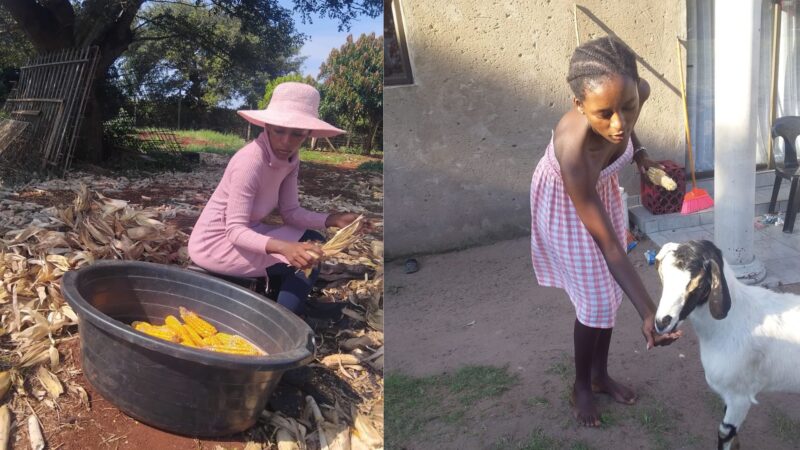
For anyone thinking of starting farming, Tshweu says: don’t wait – just start where you are and learn as you go. “I want to inspire before I expire. Every challenge is a lesson, and every effort counts,” she adds.
She believes that with patience, hard work, and faith, it’s possible to achieve more than you imagine.
For Bolu Farming, the next step is building a small-scale poultry business with layer chickens while continuing their signature maize crop. One of the most important lessons they’ve learned so far is understanding how climate change impacts farming and planning for growth around it.
Their goal is to grow and earn from both their wins and mistakes.
READ NEXT: Limpopo graduates empowered for agricultural transformation