With winter biting hard across Mzansi and meat prices straining household budgets, home cooks are looking for affordable, filling alternatives. The answer is already waiting in local fields and garden patches.
Cabbage has long been a staple of South African agricultural communities. It handles frost well, remains highly accessible, and delivers solid nutritional value for a fraction of the cost of commercial meats. Three local culinary worlds share how they prepare this winter crop.
Scented smoke and fire
For chef Nonhlanhla Moroenyane, a cookbook author, food activist, and founder of Noni’s Home Dish based in Kensington, Johannesburg, cabbage belongs over an open fire.
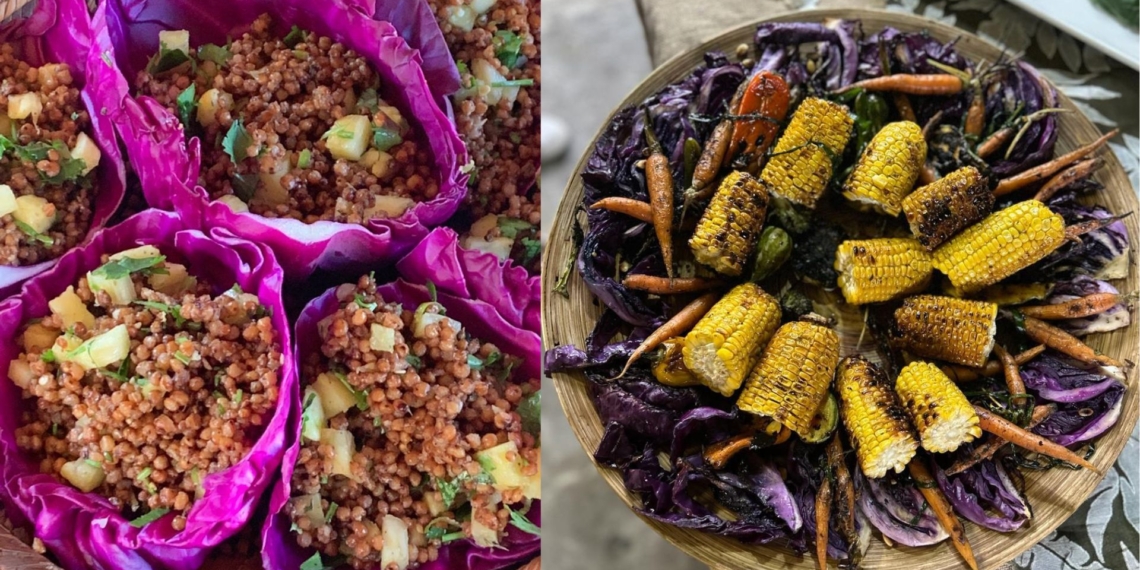
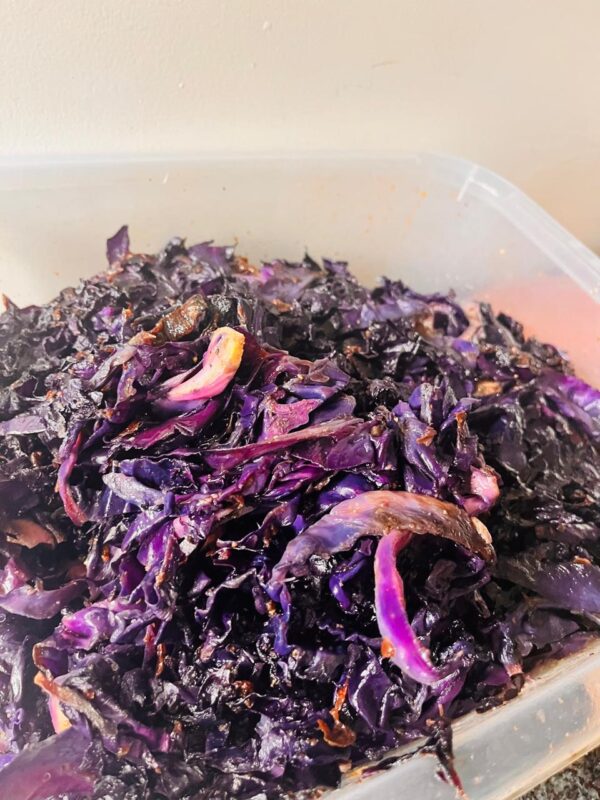
“I’m a purple cabbage impepho smoked on the fire grill girl,” Moroenyane says. She encourages cooks always to keep traditional impepho (African sage) nearby when red cabbage is in season, alongside a braai stand, firewood, and charcoal.
Her method adds an aromatic, cultural twist to the vegetable. Moroenyane creates a dry rub by combining Cajun seasoning, garlic powder, and braai spices in a bowl with scented coconut oil.
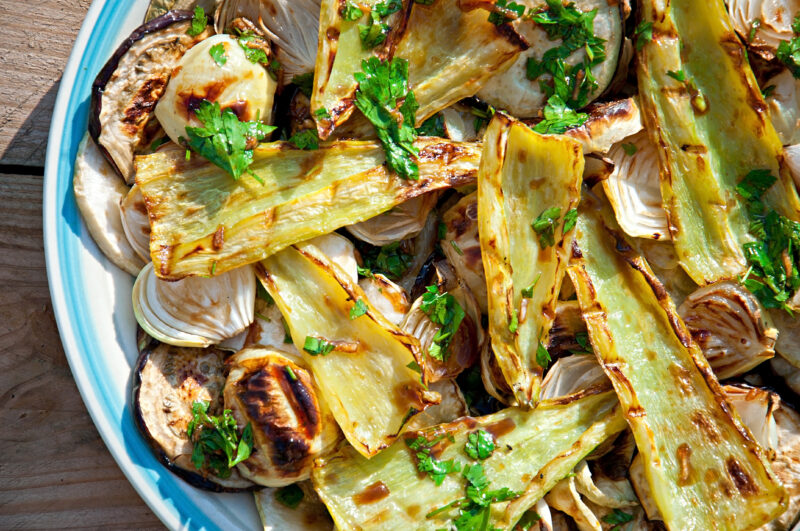
After cutting a whole purple or green cabbage into chunky wedges, she coats each piece thoroughly.
“Roast over a slow fire, not a flaming fire, for about five minutes. Smoke it while you are at it,” she adds.
The goal is to develop deep, charred flavour while retaining a crisp bite at the core. Moroenyane suggests serving these smoky wedges alongside other grilled vegetables or paired with a warm curry dip.
Related stories
- Fire meets flavour: Recipes and tips for a plant-based braai
- Healing communities through permaculture and indigenous food
- Taste of home: Food that connects hearts in Mzansi
- Farmer 101: Tips for growing cabbages
The one-pot farm tradition
On the Cape Flats, chef Marshall Booysen, founder of Marshall’s Kitchen in Manenberg, carries a deep respect for cabbage that stems from his grandmother’s kitchen.
“Cabbage stew has long been a comforting meal enjoyed by farming families in and around the rural communities of the Western Cape,” Booysen explains.
During the colder months, fresh cabbage, potatoes, onions, and carrots were the core crops harvested from family gardens and local farms because they were affordable, nutritious, and readily available.
Farmworkers traditionally prepared this hearty stew in a single cast-iron pot over an open fire or wood-burning stove, he adds. Cooking everything together saved time and used less fuel, allowing the earthy flavours to develop slowly while families worked in the fields.
While meat like beef, mutton, or chicken was added when available, Booysen notes that scarcity never stopped the meal. “On days when meat was scarce or too expensive, beans or lentils were used instead, creating a wholesome vegetarian meal without losing the comforting taste of the stew.”
For Booysen, sharing a pot of cabbage stew with freshly baked bread or soft pap remains an enduring symbol of hospitality and Western Cape agricultural heritage.
Operating from Parktown in Johannesburg, chef Mbasa Brook tackles the current financial squeeze with a direct philosophy: No meat, no problem.”
Chef Mbasa’s winter cabbage stew
Mbasa shares his step-by-step recipe for a thick, comforting winter cabbage stew that will warm your tummy and heart this winter:
Ingredients
- 1 medium cabbage, cut into bite-sized chunks
- 3 medium carrots, peeled and cut into cubes
- 1 medium onion, finely chopped
- 1 green pepper, sliced
- 3 garlic cloves, finely chopped
- 2 large tomatoes, finely chopped
- ⅓ cup cooking oil
- 1 cup water or vegetable stock
Seasoning
- 1 tablespoon salt
- 1 tablespoon black pepper
- 1 stock cube
- 1 tablespoon paprika
- 1 tablespoon Rajah curry powder
- 1 tablespoon brown sugar
- 1 tablespoon soy sauce (optional)
Method
- Heat the oil in a large stewing pot over medium heat. Add the finely chopped onions and fry for 2 minutes, then add the cubed carrots and fry for another 3 minutes.
- Add the bite-sized cabbage chunks to the pot. Give everything a quick mix, then cover with a lid and let it cook for 15 minutes until the cabbage reduces in size.
- Open the pot and add the garlic, green pepper slices, potato cubes, and chopped tomatoes. Pour in all your seasonings (salt, pepper, stock cube, paprika, curry powder, brown sugar, and optional soy sauce) along with the cup of water or stock.
- Mix everything thoroughly with a wooden spoon. Ensure the stove heat is kept on medium, cover the pot, and let it cook for another 15 minutes.
- Open the pot to check the seasoning and add more salt if needed. Check if the potatoes and carrots are soft to your liking. If the gravy needs to thicken up, give it a quick stir, cover, and let it simmer for a final 10 minutes.
Chef Mbasa’s golden rule: “Don’t overstir your pot.” This can cause your vegetables to break, and you end up with a mash instead of a stew.
Whether smoked over slow charcoal in Gauteng or simmered over an open fire in a rural Western Cape community, the cabbage remains a reliable, budget-friendly option for the winter season and beyond.
READ NEXT: From cabbage patch to big dreams: Sphelele makes a big difference