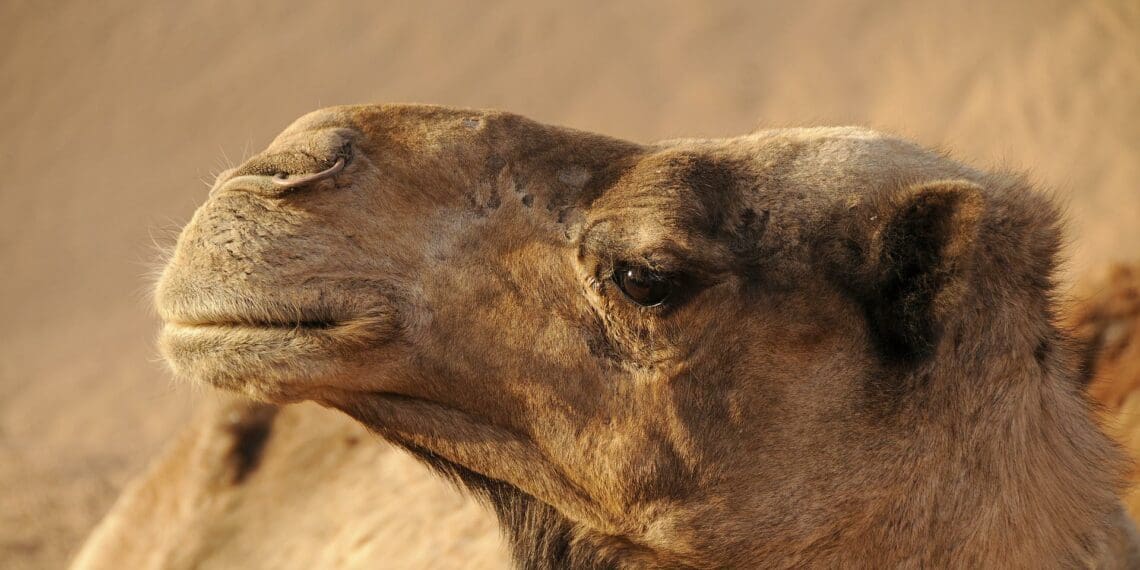
Can camel dung be used as a clean energy source? Dr Nawal Benaissa is the founder of an Algerian tech-start-up, and she answered this question as part of her PhD research. This research may now be the key that leads to more efficient biogas extraction that changes the lives of rural farmers across the continent.
Around six years ago, Benaissa developed a new formulation of bacteria in the process of creating biogas. She also founded Greenal, a company which produces biodigester kits.
“The purpose is ‘tech for good’,” says Dr Sofiane Boudjema, a business developer for the company. “Our vision is clear, we want to bring green energy to the people of Africa. Africa is a big continent and most of the people here don’t have access to energy. We want to give them access starting from the organic waste.”
He spoke to Kobus Louwrens of FoodForAfrika.com, Food For Mzansi’s sister publication, while attending AfricArena North African Founders Bootcamp in Tunis, Tunisia. Boudjema was at the bootcamp to pitch the company to investors attending the summit. Greenal hopes to raise US$150 000 in funding for its international expansion into Africa.
“We started in the Algerian desert, but it is a very big country. Deploying there is almost as challenging as expanding to the rest of Africa,” he adds.
What’s next?
The group intends to travel to Mali and Niger, which are the two nations closest to their base in southern Algeria. From there, they intend to exploit road infrastructure to travel as far as Nigeria and Côte d’Ivoire, commencing in Mauritania.
Farmers in rural locations with limited access to energy are targeted by the marketing of the kits. Smallholders can gain from the biofertiliser that is produced as a byproduct of the conversion process in addition to having access to organic wastes from animals and other farming activities.
“What motivates me in this challenge is that I can see the real impact of the project and the product. When we started deploying the solution in the African desert, I saw the real impact with families that didn’t have access to energy and how critically we could help them,” he says.
To read the full article via FoodForAfrika.com, click here.
ALSO READ: Fertiliser plan B: Cheap and natural is possible
Sign up for Mzansi Today: Your daily take on the news and happenings from the agriculture value chain.