Tuesday, July 21, 2026
SUBSCRIBE
22 GLOBAL MEDIA AWARDS
Food For Mzansi
  • News
  • Changemakers
  • Lifestyle
  • Farmer’s Inside Track
  • Food for Thought
No Result
View All Result
  • News
  • Changemakers
  • Lifestyle
  • Farmer’s Inside Track
  • Food for Thought
No Result
View All Result
Food For Mzansi
No Result
View All Result
in News

Cattle disease in Zim sounds alarm for SA livestock farmers

South Africa is on high alert following the outbreak of theileriosis, also called January disease, in Zimbabwe. With the potential threat looming large, local livestock farmers are urged to stay vigilant and implement strict biosecurity measures to protect their cattle

by Tiisetso Manoko
24th February 2024
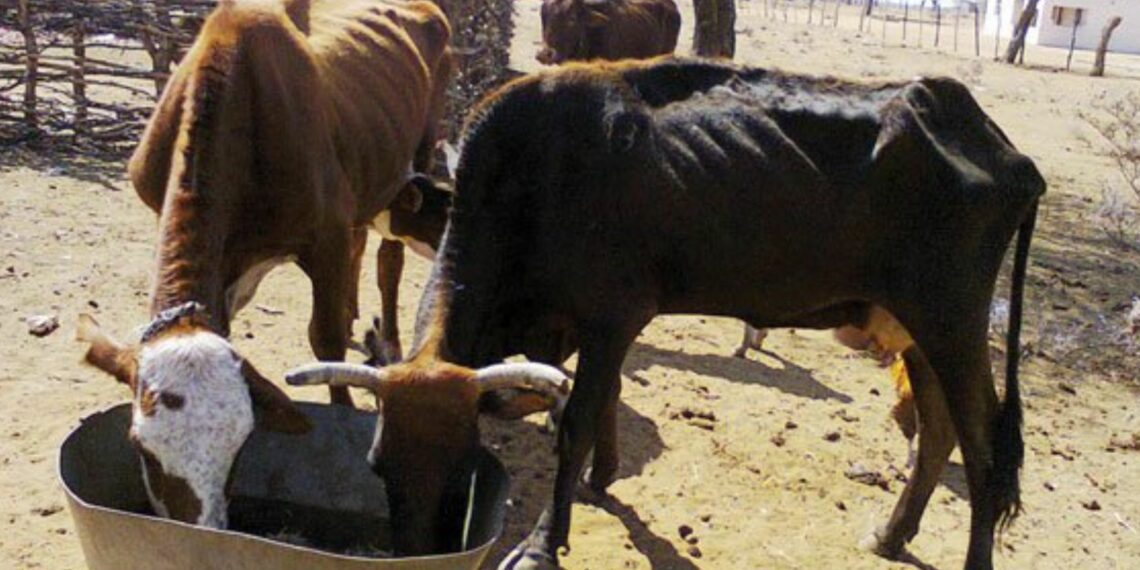
The Zimbabwe Veterinary Services have confirmed outbreaks of theileriosis transmitted to cattle by brown ear ticks. Photo: Supplied/TanakaChaza

The Zimbabwe Veterinary Services have confirmed outbreaks of theileriosis transmitted to cattle by brown ear ticks. Photo: Supplied/TanakaChaza

Share on FacebookShare on TwitterShare on WhatsApp

South Africa’s department of agriculture, land reform, and rural development has raised alarms regarding outbreaks of theileriosis disease in Zimbabwean cattle, signalling a potential threat to local livestock farmers.

The outbreak of theileriosis, also called January disease, in cattle was confirmed by Zimbabwe Veterinary Services. According to Dr Mpho Maja, director of animal health in the department, the outbreak poses a potential threat to South Africa.

What is theileriosis?

Theileriosis in cattle may be associated with very high mortalities, especially if an outbreak occurs in previously unexposed animals. The disease is transmitted by brown ear ticks (Rhipicephalus appendiculatus), Maja said.

Dr Mpho Maja, director of animal health at the department of agriculture, land reform and rural development. Photo: Supplied/SAEHP

“Due to the breeding cycle of the brown ear tick in the affected areas, the higher rainfall summer months pose the highest risk for disease transmission, which may also place South Africa at a higher risk of incursion between December and May.

“South Africa has not imported any live cattle from Zimbabwe for many years and the import requirements for other risk commodities, including hides, skins and hay, require these commodities to be free of ticks,” Maja said.

However, factors such as illegal importation of cattle, or inadvertent introduction of infected ticks via people, hay, hides or cars crossing the border into South Africa, may still pose a risk.

Mzansi Young Farmers Indaba: Embrace the farm experience

Early detection is key

Although no outbreaks of January disease have occurred in South Africa since the early 1950s and South Africa remains free of these diseases, farmers must take precaution.

Dr Jane Mabaso, a state veterinarian overseeing biosecurity efforts, emphasised, “Early detection is key to containing the spread of theileriosis. We encourage farmers to familiarise themselves with the symptoms of the disease and to implement strict biosecurity measures on their farms.”

Should there be a disease suspicion, frequent acaricide application must be started immediately at least three times within two weeks.

Furthermore, the following samples must be collected by an official veterinarian:

  • From live animals: Peripheral blood smears, full blood samples in heparin and EDTA serum samples.
  • From postmortem cases: Peripheral blood smears, impression smears from visceral organs, visceral and lymphoid tissue, etc.

Collected samples must be sent immediately to Onderstepoort veterinary laboratory for testing. Samples must be submitted via the state veterinarian and sample submission forms must be completed in full, including full details about the location, reasons for testing and the history of the case, the department said.

In the meantime, farmers are encouraged to practice strict biosecurity measures to reduce the risk of all animal diseases, including not introducing animals of unknown health status into their herds.

Regular treatment of cattle to reduce tick loads is strongly advised as a measure to reduce exposure to the vectors of many tick-borne diseases.

READ NEXT: This is how SA’s tobacco industry has gone up in smoke

Sign up for Mzansi Today: Your daily take on the news and happenings from the agriculture value chain.

Tiisetso Manoko

Tiisetso Manoko is a seasoned journalist with vast experience in community media. He possesses diploma in media studies majoring in journalism, certificate in civic leadership. He loves news from all angles with particular interest in local government, agriculture and politics. He is a staunch Mamelodi Sundowns Football club supporter.

Tags: Agricultural exportsAnimal BiosecurityAnimal diseasesBiosecurityCattleCommercialising farmerInform me
The Forest of Renewal at Rustlers Valley celebrates the intertwined legacies of Frik Grobbelaar, Anton Chaka and Riky Rick, inviting South Africans to restore the land while cultivating hope, belonging and community. Illustration: ChatGPT
Food for Thought

Rustlers Valley offers a blueprint for South Africa’s renewal

by Ivor Price
18th July 2026

As the Rustlers Valley Memorial Forest is launched in the eastern Free State this weekend, Ivor Price reflects on why...

Read moreDetails
Grain SA appoints Mabuza to lead farmer development

Rising stars: 2026 PGP finalists redefining SA grain farming

18th July 2026
Rooibos heads to space in groundbreaking Mzansi experiment

Rooibos heads to space in groundbreaking Mzansi experiment

18th July 2026

Seriti Institute CEO wins prestigious Best Woman 2026 CSI award

17th July 2026
Farmers and brewers call for budget that builds, not breaks

Minister details Land Bank’s success in boosting black farmers

17th July 2026

This week’s agri events: 20 – 24 July

How this KZN agricultural advisor is bringing tech to rural fields

Unused KZN school transformed into a thriving 16-hectare farm

Early harvest and larger crops mark unusual 2026 lemon season

Minister details Land Bank’s success in boosting black farmers

Join Food For Mzansi's WhatsApp channel for the latest updates!

JOIN NOW!
Next Post
Grain SA says the challenges faced during the winter season, exacerbated by low margins on crops like maize, attributed to international supply dynamics and global price pressures. Photo: Supplied/Food For Mzansi

Weather whiplash: Grain farmers face winter rain, summer drought

THE NEW FACE OF SOUTH AFRICAN AGRICULTURE

With 21 global awards in the first six years of its existence, Food For Mzansi is much more than an agriculture publication. It is a movement, unashamedly saluting the unsung heroes of South African agriculture. We believe in the power of agriculture to promote nation building and social cohesion by telling stories that are often overlooked by broader society.

Smart vineyard irrigation starts below the ground

Treat food processing as essential national infrastructure – Khoury

Farmers urged to embrace uncertainty and build resilience

SA poultry industry calls for urgent bird flu vaccine rollout

Mother’s legacy, neighbour’s grace: Venessa Simelane’s farm story

Deadline looms: Register water use by 23 July or risk penalties

  • Awards & Global Impact
  • Our Story
  • Contact Us
  • Cookie Policy
  • Privacy Policy
  • Copyright

Contact us
Office: +27 21 879 1824
News: info@foodformzansi.co.za
Advertising: sales@foodformzansi.co.za

Contact us
Office: +27 21 879 1824
News: info@foodformzansi.co.za
Advertising: sales@foodformzansi.co.za

  • Awards & Global Impact
  • Our Story
  • Contact Us
  • Cookie Policy
  • Privacy Policy
  • Copyright

Chat Options

I'm Lerato, your AI assistant!
No Result
View All Result
  • News
  • Changemakers
  • Lifestyle
  • Farmer’s Inside Track
  • Food for Thought

Copyright © 2024 Food for Mzansi

This website uses cookies. By continuing to use this website you are giving consent to cookies being used. Visit our Privacy and Cookie Policy.