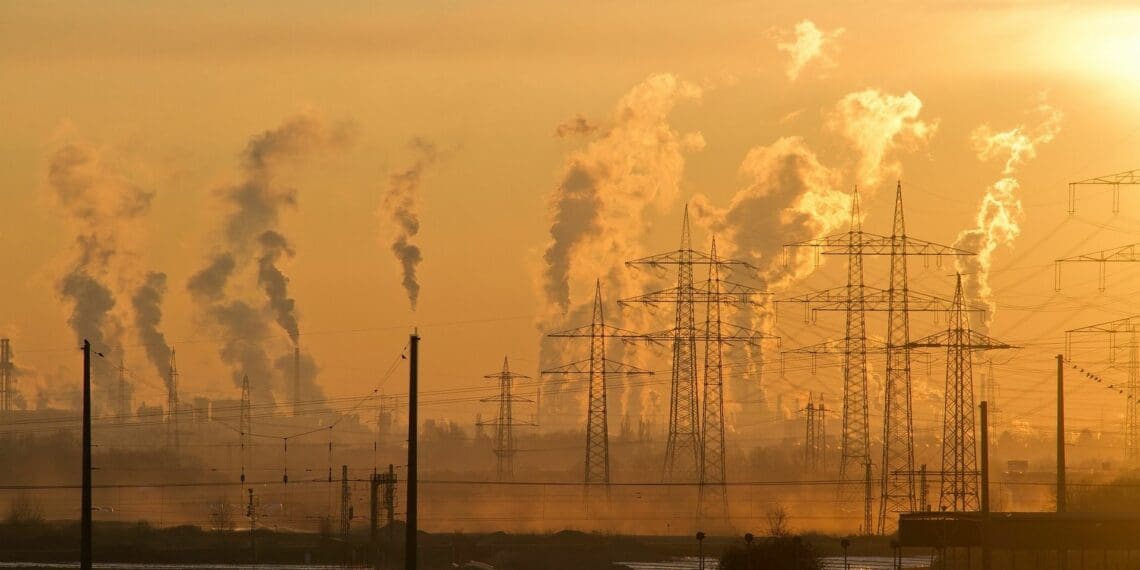
Rapid urbanisation in Africa is worsening air pollution levels and there are several economic as well as health consequences.
Air pollution threatens human health, health systems and economic activity. It is the second leading risk factor for death across Africa, contributing to an estimated 1.1 million deaths on the continent in 2019.
The continent has an urban population of over 500 million. This is projected to be over 700 million by 2026. In the face of such enormous numbers and a seemingly insurmountable problem, it can feel difficult for ordinary people to protect themselves or make a difference.
But, as we found in our research, many strategies are possible. We have drawn up a list of suggestions, divided into three categories: practical tips to reduce exposure, how to keep your community air quality cleaner and, lastly, what steps policymakers can take.
The many threats of air pollution
Our research highlights the fact that air pollution is a multifaceted and complex issue to tackle. Intervening can span different ministries such as transport, environment and health. Acting on one sector can affect a different sector, so it is important to clarify the role and responsibilities of all actors.
To formulate solutions and strategies that are acceptable and feasible to the general public, multiple stakeholders must collaborate: policymakers, civil society, communities, and academia.
Our findings show that much time can be saved by not ‘re-inventing the wheel’ and learning from implementers about the opportunities and barriers to tackling air pollution in cities.
We found that most strategies (83%) being used to tackle air pollution focused on household air pollution compared to outdoor air pollution (17%). This is even though outdoor air pollution is increasing due to urbanisation.
Overall, the strategies focus on technology (75%), more than on policy (20%), and even less on behavioural change (5%).
More policy interventions required
Our findings point to the need for more policy interventions. There are some obvious gaps in present approaches. These include policies that address changes in people’s behaviour. Another example is addressing major sources of pollution such as vehicles and two and three-wheel motorcycles. Only 6% of all strategies applied in African contexts focus on decreasing air pollution through transport yet the continent is faced with a large increase of “used” (second-hand or pre-owned) vehicles.
Based on our insights, we’ve come up with the following list of practical tips.
Practical tips to reduce exposure
These four suggestions will go some way to protecting your health.
- Avoid exercising outdoors when pollution levels are high. If possible, exercise indoors during this time.
- Avoid exercising near high-traffic areas.
- Avoid having children and other vulnerable groups such as elderly people with asthma) where there’s cooking. This is particularly true if solid biomass fuels like firewood, charcoal, dung and crop residues and being used as fuel.
- Ensure home cooking areas are properly ventilated, especially for homes using solid biomass fuels.
How to keep the air in your community cleaner
You can take some steps that will have a wider impact.
- Avoid open trash burning
- improve solid waste management at both the household and community levels.
- Promote awareness-raising activities around the importance of breathing clean air in cities.
- Encourage your local businesses, community and city leaders and policymakers to take air pollution seriously. You can do this by organising advocacy groups or supporting public online platforms that report real-time levels of air pollution to increase accountability
- Promote efforts to raise health literacy about how air pollution increases diseases such as asthma and stress.
- Request education modules in schools for children and young people to be sensitised and to gain knowledge about air pollution
- Buy from businesses that follow air quality guidelines and aim for net zero targets
- Engage in active travel (walking and cycling) whenever possible to decrease transport-related emissions
What your policymakers can do
You can also play an active role in getting policymakers to take concrete steps.
- Set standards and guidelines to replace obsolete technologies with clean and environmentally friendly ones.
- Get communities involved in local interventions to decrease air pollution.
- Promote policies that don’t allow anyone to smoke indoors and support measures to make all public places tobacco-free.
- Provide forms of non-motorised transport to increase active lifestyle, and physical activity and reduce emissions.
- Support the installation of sensors to collect air quality data and monitor pollution levels.
- Communicate daily air pollution forecasts to let people know when the air is unhealthy in the community. This can be through local radio and TV weather reports, newspapers and through community WhatsApp groups.
- Introduce cleaner-burning fuels and improved stoves that burn solid fuels more efficiently.
Conclusion
By considering these tips and strategies, communities and leaders have the opportunity to beat air pollution, the invisible pandemic beneath our noses.
The air we breathe represents the living space and the quality of life we all need for a healthier and more sustainable planet, including for generations unborn.
- This article was first published in The Conversation and written by Gabriel Okello, and Meelan Thondoo.
ALSO READ: Grab indaba tickets before they’re gone!
Sign up for Mzansi Today: Your daily take on the news and happenings from the agriculture value chain.