When Thobeka Mapukata’s catering business in Cape Town failed, she decided to go back to her hometown in the Eastern Cape for a fresh start. With not much money and resources, she realised that farming was a good option.
In 2016, Mapukata started the Sinemihlali Primary Co-op in No-3 Village, Stutterheim. On just one hectare of land, she began experimenting with cabbage, potatoes, carrots, and beetroot, and later raising chickens.
She sold her fresh produce to the local community, turning her tough times into a business with high potential. However, her world was shattered when her business failed, and she never thought her pain would lead to a fulfilling journey.
“The cooperative was formed in 2010 and was active until 2016. From 2010 to 2015, I was still in Cape Town,” she says. “When I had to leave for the Eastern Cape and had no income, I thought of reviving the cooperative as a way to make a living.”
Trials, errors and triumphs
Now, she farms with five other members in Stutterheim. Sinemihlali Primary Co-op supplies street vendors in Stutterheim and surrounding communities, focussing on tomatoes and spinach. She’s growing potatoes in her home garden, and although she farms under nets with the co-op, she has continued farming at home.
“Pick n Pay has shown interest, but our limited production prevents us from supplying them consistently.”

Drawing from traditional farming methods, Mapukata completed agroecology training in 2016 through the Zingisa Educational Trust and the Trust for Community Outreach and Education.
She participated in workshops with the Rural Women’s Assembly and organised a “Farming Together” training session, igniting her passion for uplifting communities in Amahlathi Municipality.
When she initially started in her backyard, she tried many different vegetables to see which ones would thrive in her area.
After experimenting with cabbage, potatoes, carrots, and beetroot, as well as raising chickens, she realised not everything would work as she had hoped.
“I had layers for egg production, starting with around 100, but now we’re planning to increase to 500 layers, with a goal of reaching at least 1,500 chicks per cycle to produce in greater volumes.”
“We’ve moved from subsistence farming to being a smallholder business, so we need to produce enough to meet our clients’ demands.”
Mapukata also notes that they are waiting for funding to build a proper structure for the layers.
When she recruited people, she realised each person brought different skills to the table. The co-op includes two members with finance, administration, and project management expertise, while Mapukata handles marketing and networking. There’s also a qualified security officer and a driver who helps work the land.
She notes, “On site, we have an operations manager with a diploma in crop production and three female assistants.”
All these skills have helped the business thrive since the beginning, with each member contributing their unique expertise.
Related stories
- Khayelitsha’s garden: Where elders flourish together
- Sweetwater Farmers: A journey of love, loss and legacy
A path to organic production
Mapukata explains that spinach and tomatoes captured her interest because they are quick and easy to plant.
“If you want to grow, you need to specialise in a few items to increase volumes and establish a niche in the market,” she says.
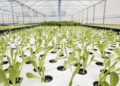
With some growth, Mapukata shares that their co-op received funding from the Industrial Development Corporation (IDC) and Old Mutual Foundation, allowing them to install two hydroponic tunnels.
Through assistance from the Eastern Cape Rural Development Agency (ECRDA), they also managed to purchase a smallholding, which is now fully owned.
“We are currently awaiting five more tunnels with automated systems and a biodigester, which will help us produce organic fertiliser and transition fully into 100% organic production.”
This shift will reduce the heavy costs of commercial fertilisers, she says. “When planting in another tunnel, we use mulching to retain water in the plants and reduce weeds.”

Promoting ecosystem-friendly farming
Before using agroecology systems, they used conventional planting methods without mulching and relied on pest control products.
“With agroecology, we repel pests using intercropping methods. Instead of toxic pesticides, we mix natural ingredients like aloe, chillies, and sunlight soap to spray for aphids.”
She notes that agroecology involves minimal soil disturbance, which results in healthier, organic vegetables. However, she acknowledges the challenge: “It’s a method that takes time for communities to adopt and practice.”
The co-op is now working towards acquiring more tunnels to expand production and market reach. They are also focused on creating jobs, not just for people in the Eastern Cape but for surrounding areas as well.
“Our long-term goal is to buy a bigger farm and start livestock farming.”
They would also be thrilled to become a farm where students from various institutions can complete their practical training, adds Mapukata.
READ NEXT: Limpopo communal farmer reaps crossbreeding success
Get Stories of Change: Inspirational stories from the people that feed Mzansi.