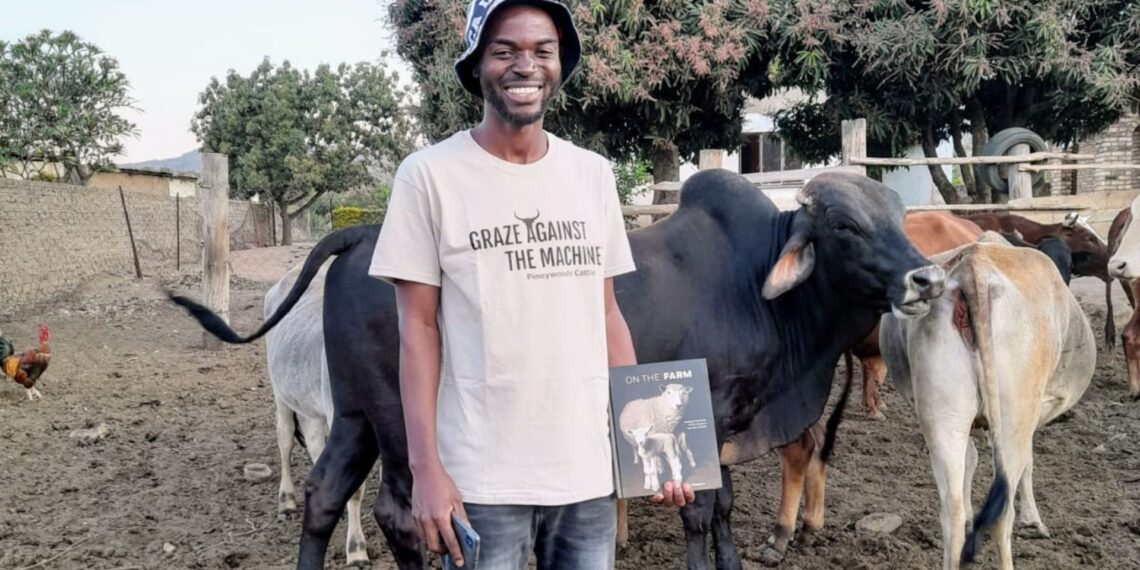
Born and raised in the Tlhabeleni Village, nestled in the lush hills of Bolobedu Ga-Modjadji in Limpopo’s Greater Letaba municipality, Ashell Maenetja’s connection to the land and its animals runs deep. Now a communal farmer and skilled animal scientist, this early bond has shaped his journey, nurturing a passion that has grown as naturally as the fields around him.
Reflecting on his childhood, he shares, “I was born and raised there. Basically, I was raised as a shepherd boy. I would take the cattle out and then I would come back to school. After school, I would go back to the mountains to fetch the livestock again.”
This daily routine of balancing school and herding cattle defined his formative years.
In 2011, Maenetja matriculated from Mandela Barliworld Agricultural High School and pursued further studies in agriculture, following in his family’s footsteps. He attended Stellenbosch University, where he graduated with a degree in animal science.
Taking over the family herd
While Maenetja always had a deep connection to livestock, his full-time entry into communal farming was born out of necessity. After the loss of his father in 2007 and his mother in 2019, he inherited the family’s livestock and took on full responsibility for managing the herd.
“I basically inherited the herd from my parents. I had to [take it] full-on,” he explains.
His nephew helps out when he struggles to find a reliable herdsman, however, Maenetja independently manages everything, from buying feed to administering vaccines.
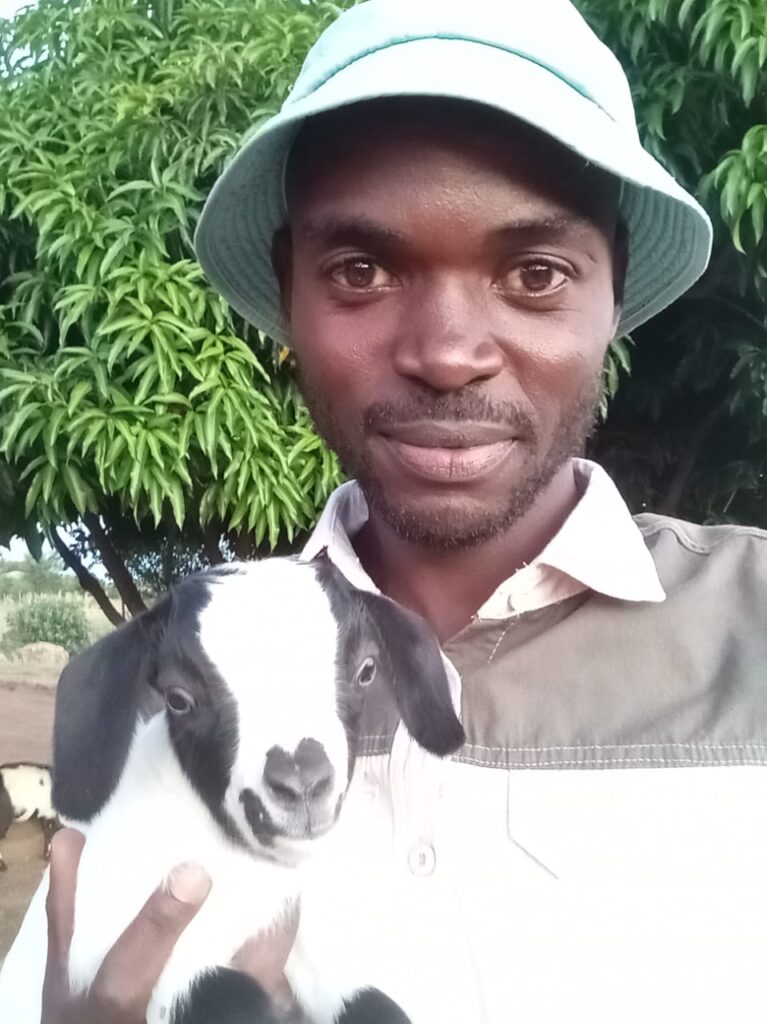
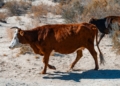
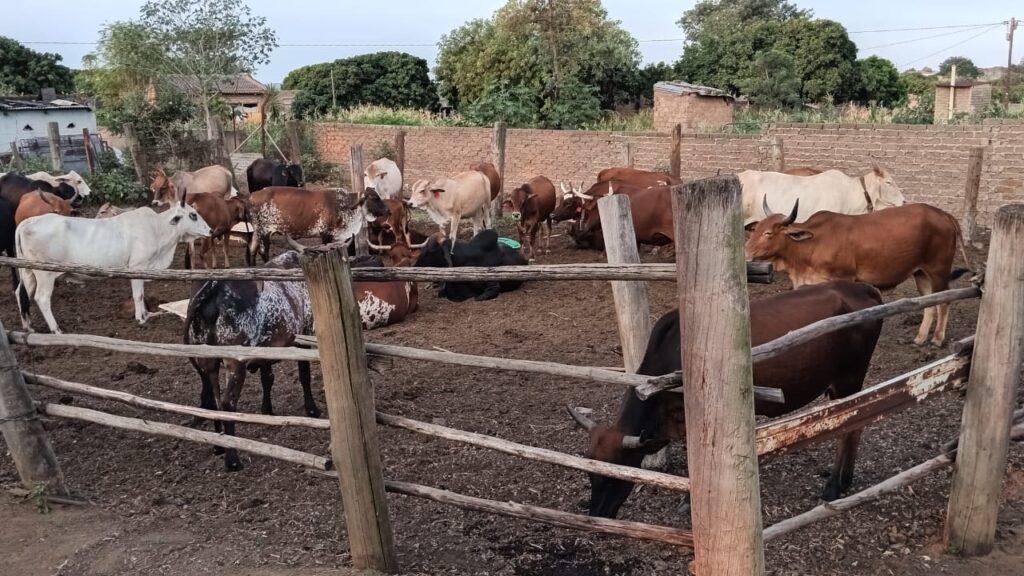
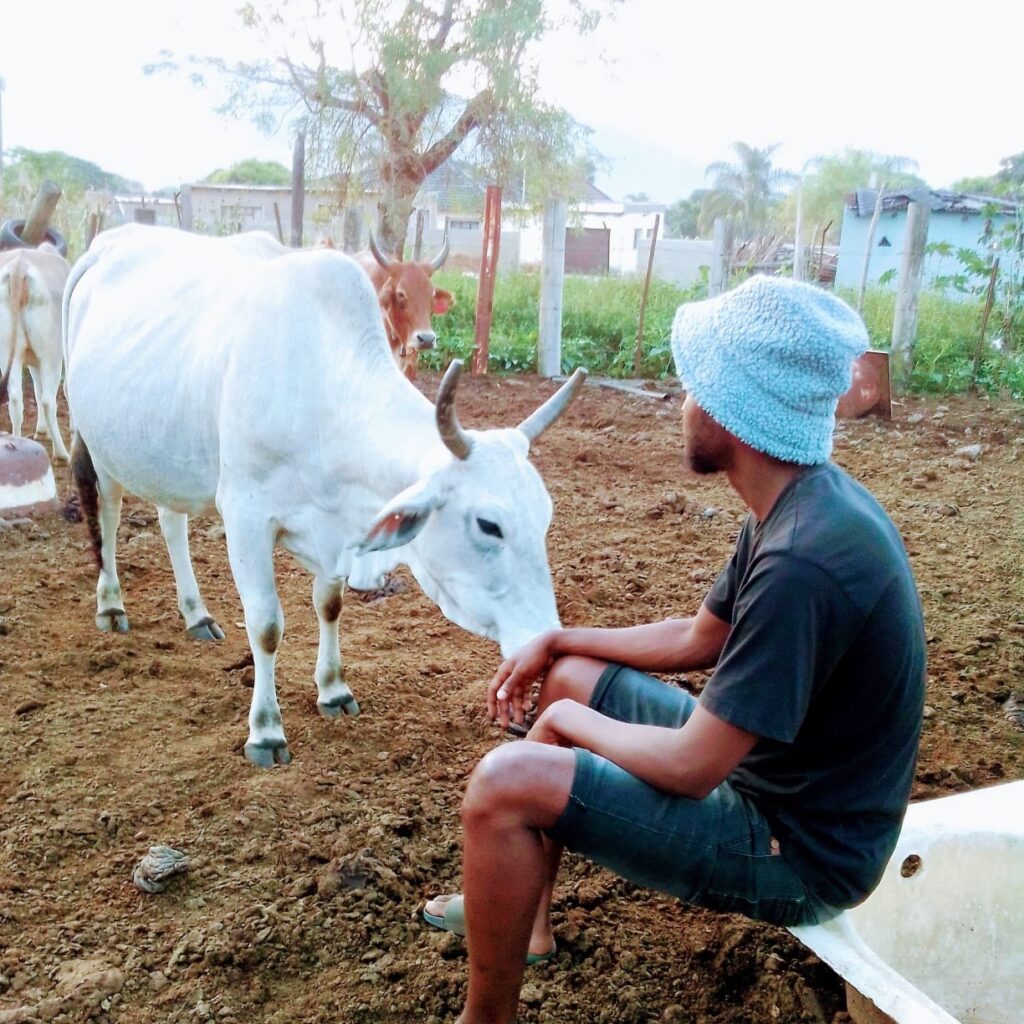
Over the years, Maenetja learned valuable lessons about livestock management and adapting to environmental challenges. His family’s herd once consisted mainly of Brahmans, but they struggled with the region’s harsh conditions. In response, he began cross-breeding Brahman and Nguni cattle, which he believes are better suited to the environment in Limpopo.
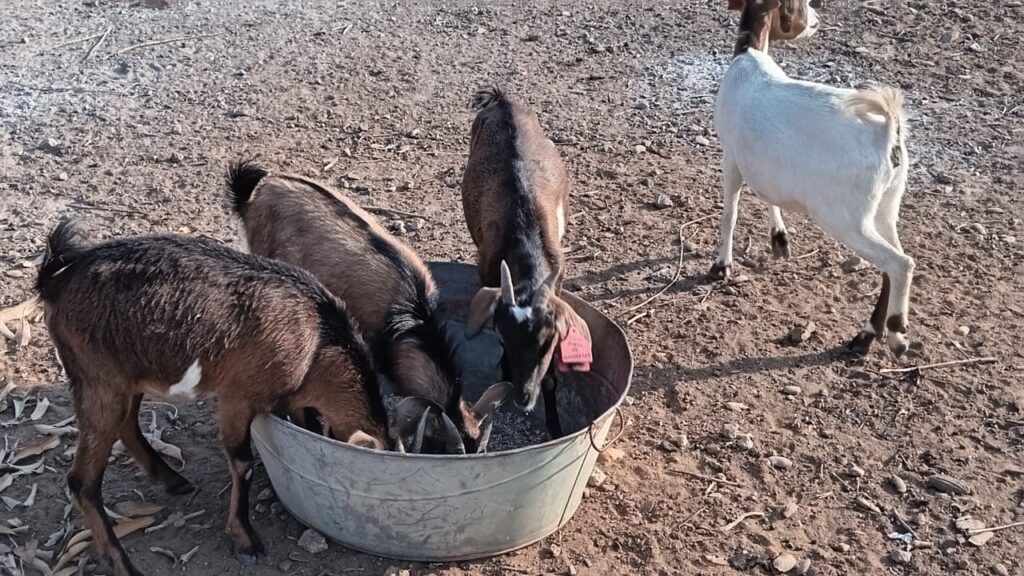
He currently manages a herd of 26 cattle and 15 goats. “Nguni [cattle] are more hardy as well, so low maintenance in a way,” he says.
However, selling purebred Nguni cattle to feedlots posed a challenge as they paid less for these breeds. To address this, Maenetja adopted a strategic approach by breeding Nguni with Brahman, producing crosses that are both hardier and more muscular – traits valued by feedlots for faster weight gain.
The challenges of communal farming
Farming in a communal setting presents numerous challenges, with stock theft one of the most significant. In response to this, Maenetja founded KW Farm Services, a company that supports communal livestock farmers by assisting with vaccinations, branding, and livestock management.
His goal is to empower his community by sharing expertise and fostering collaboration.
“The idea is that at some point we should at least have a functional livestock forum where we can buy vaccines as a group. We can buy feed as a group. We can do everything as a group.”
He also highlights the frustration of receiving low offers for livestock, despite national price standards being higher. “When somebody shows up and says, ‘I will give you 20 or R18,’ it makes no sense, but we are open to selling because the whole area might be serviced by one guy, and if you don’t sell to him, who will you sell to?”
Water scarcity is another major hurdle. “In our villages, sometimes you go for a week or two without water. Without water, there’s not much farming.”
To counter this, farmers are trying to establish a formal livestock forum to collectively approach the department of agriculture for help in securing water tanks or boreholes.
However, progress is slow due to the lack of participation. “We have meetings, and on a good day, only nine farmers show up. There’s a lot of individualism within our communities,” he shares.
Related stories
- Growing with God drives Happy to great heights
- Flower power: Farming couple turns fynbos into global business
Expanding into crop farming
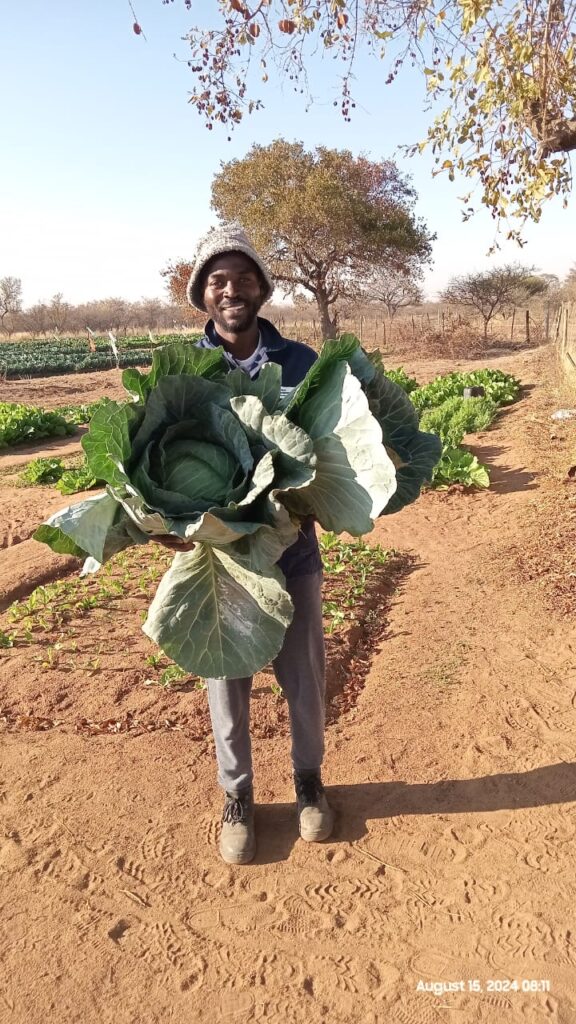
While Maenetja’s passion lies in livestock, he has also ventured into crop farming, producing cabbage, spinach, mustard, beetroot, sweetcorn, melons, and watermelons on three hectares of land.
“Crop farming was never really my passion,” he admits. “But I did it from grade 8 until grade 12, and it never really made sense to me until I had to know where my food comes from.”
Maenetja scored an internship for crop farming where he was promptly promoted to supervisor. This experience has expanded his knowledge of agriculture, helping him adopt a more holistic approach to farming.
Social media has played a crucial role in his journey, particularly LinkedIn. Initially, he used it to express his passion but it has since become a platform for learning and sharing knowledge.
Through his posts, titled “Diary of a communal livestock farmer”, Maenetja offers advice, raises awareness about the challenges communal farmers face, and learns from others in the global agricultural community.
He is also part of the Candidate Mentoring Phase (CMP) programme by the South African Society of Animal Sciences (Sasas) and Keystone Collection, which develops young animal scientists.
Maenetja envisions further formalising his business, KW Farm Services with essential equipment such as branding irons and dehorning tools. His long-term goal is to commercialise his communal herd.
“Instead of having animals in different production phases, I aim to have 20 to 30 productive females and two bulls. I could then sell all the progeny, which would help with planning for vaccines, feed, and financial stability.”
READ NEXT: David risks all to build 200-hectare farming dream
Get Stories of Change: Inspirational stories from the people that feed Mzansi