Agricultural shows and fairs are more than a few days of rides, prize bulls and machinery. They are fundraising engines, emergency shelters and some of the last places where city and farming families still meet. Their leaders now have to get much better at telling that story.
That was the thread running through the CEO session of the Royal Agricultural Society of the Commonwealth (RASC) 2026 Commonwealth Agriculture Conference, hosted in Cape Town on Monday, 2 November.
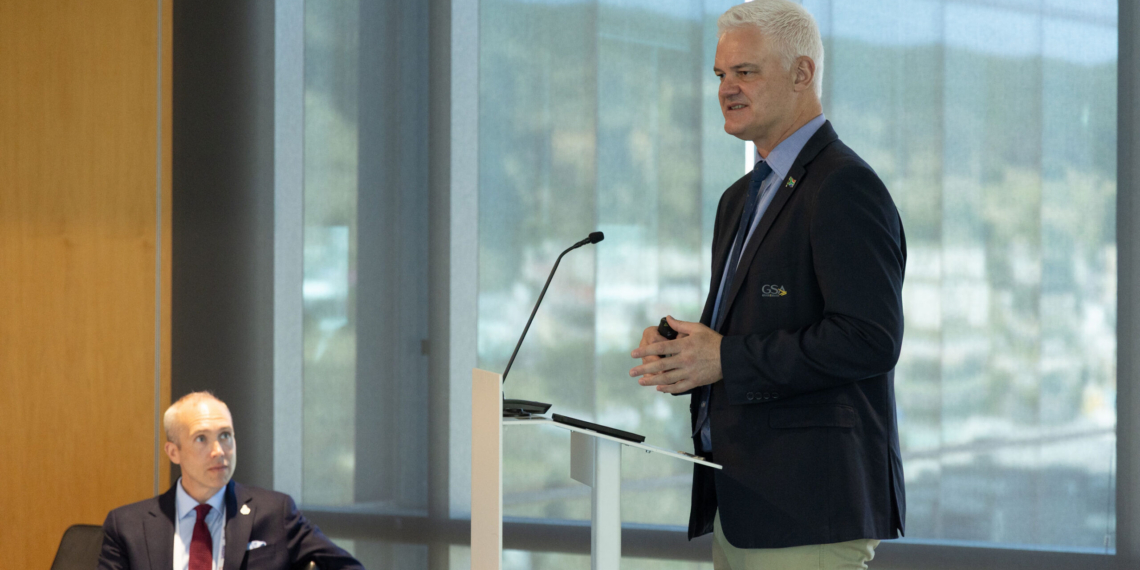
“As someone wise once said to me, you don’t want to meet your neighbour when your house is on fire,” David Grindle, president and CEO of the International Association of Fairs and Expositions (IAFE), told delegates.
The CEO session opened the five-day conference, which runs until Thursday under the theme “Opportunities of change in a connected world – from South Africa to the world”. Delegates came from the United Kingdom, Australia, Canada, the United States and across South Africa.
“Coming together is the beginning”
RASC honorary secretary Christopher Riddle, former secretary and chief executive of the Royal Cornwall Agricultural Association, set the tone. He reminded show organisers that, whatever their country, they share the same challenges: attracting young audiences and future leaders, staying financially sustainable and embracing new technology.
Riddle said the success of a show is not measured only by visitor numbers and ticket sales, but also by the people it inspires and the partnerships it builds. “Coming together is the beginning,” he said. “Learning from one another is the opportunity.”
In the opening session, Grain SA CEO Dr Tobias Doyer tackled “The changing face of global agriculture – what does it mean for agricultural societies, shows and fairs?” He explored the shifting dynamics of world farming and how agricultural societies, shows and exhibitions must evolve to keep pace.
Doyer set the tone with some humour, telling the room of chief executives he had not come to give advice. “I’ve got a lot of opinions, and if I don’t give you advice, there’s no pressure on me,” he quipped. Instead, he hoped to stir “new thoughts and interesting concepts” to stimulate debate.
Grain SA represents about 8 000 commercial members and almost 6 000 developing farmers. Referencing economist Wandile Sihlobo’s book, A Country of Two Agricultures, Doyer highlighted the organisation’s responsibility to bridge the divide and bring both groups together.
Grain SA also organises Nampo Harvest Day. Despite its name, it runs over four days and brings farmers, suppliers and the wider industry together around machinery and technology.
For Grain SA, platforms such as Nampo are about creating opportunities for engagement, strengthening industry partnerships and connecting producers across the agricultural value chain. “The future of agriculture depends on our ability to adapt, collaborate and grow together,” the organisation said after the session.
Related stories
- Agri-Expo CEO outlines vision for global collaboration
- High input costs drive SA grain farmers to rethink crop mix
- New PGP CEO to drive developing grain farmer success
- Agoa blow: SA faces higher tariffs, but US market stays open
Numbers that make people listen
Grindle showed how data can turn policymakers into advocates for agricultural shows.
He explained that the US carnival industry, which supplies the rides at many fairs, needs about 10 000 seasonal H-2B work visas a year, many of them filled by South Africans.
For years the industry received less than half of what it needed. That changed only when an economic impact study showed the fair industry supports about 400 000 full-time jobs in the United States. “This is what got the attention,” Grindle said.
But numbers alone do not move everyone. A community impact study of fairs in the US and Canada found that 80% of communities with an agricultural fair rely on it as a major fundraising platform for other local groups, from youth sports clubs to quilting circles.
“The numbers tell the story, but when we can make it personal, we start to get home,” he said.
Grindle pointed out that while the average American fair runs for about six days, the average fairground is used in some form for 365 days a year, including as an emergency shelter during hurricanes and wildfires.
Weeks before the Spokane Interstate Fair in Washington opened this year, he said, its showground became a tent city for thousands of firefighters and a refuge for hundreds of evacuated animals.
He urged show leaders to share those images as proudly as the ones of rides and prize-winners, and to build relationships with their communities before a crisis hits.
“We need to express our values to our neighbours long before someone wants to build condos in the middle of your showground,“ Grindle said.
‘Who will your show say farmers are?’
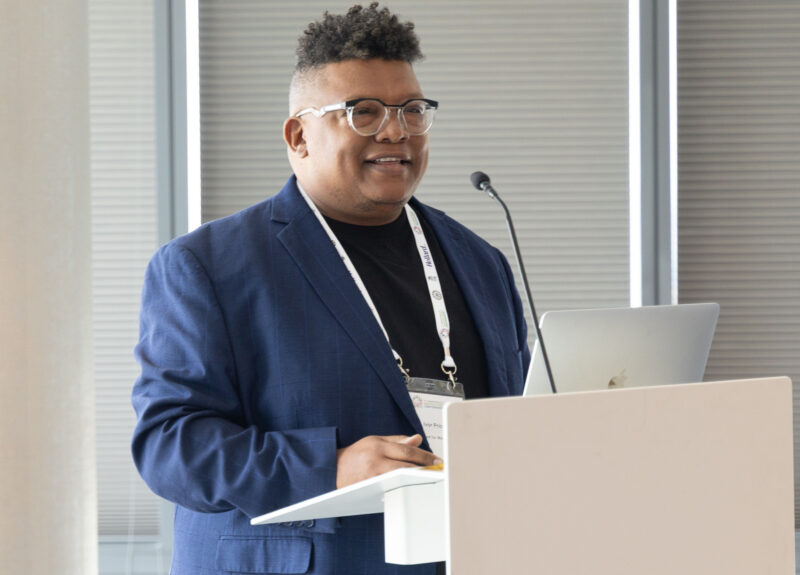
In the last morning session, chaired by Calgary Stampede chief executive Joel Cowley, Food For Mzansi co-founder Ivor Price looked at how shows shape public understanding of food and farming.
Citing surveys from Ireland, Canada and Australia, Price argued that the gap between farmers and the public is global, and that showgrounds stand right in the middle of it.
“You are not just running events,” he said. “You are running one of the last great bridges between the people who grow our food and the people who eat it.”
He urged organisers to look at their shows with an editor’s eye: who is on the stage, who wins the ribbons, who appears in the photographs and who can afford to get through the gate. In South Africa, he noted, “the question of who farms is also a question of who belongs”.
Price suggested three shifts: putting farmers rather than machinery at the centre of the show, keeping the story going all year instead of for a few days, and handing the microphone to farmers themselves. “The most trusted voice in agriculture is not the organiser. It’s not the sponsor. It’s the farmer speaking in their own language on their own channels,” he said.
Building on Grindle’s call for better impact data, he proposed adding one question to exit surveys: “Name one farmer you met today.”
The CEO session continued in the afternoon with a panel on what the agricultural show of 2050 will look like, and a case study of the Royal Welsh Show’s hybrid broadcast model. The RASC conference concludes on Thursday.
READ NEXT: Five key priorities shaping the future of SA’s animal feed industry