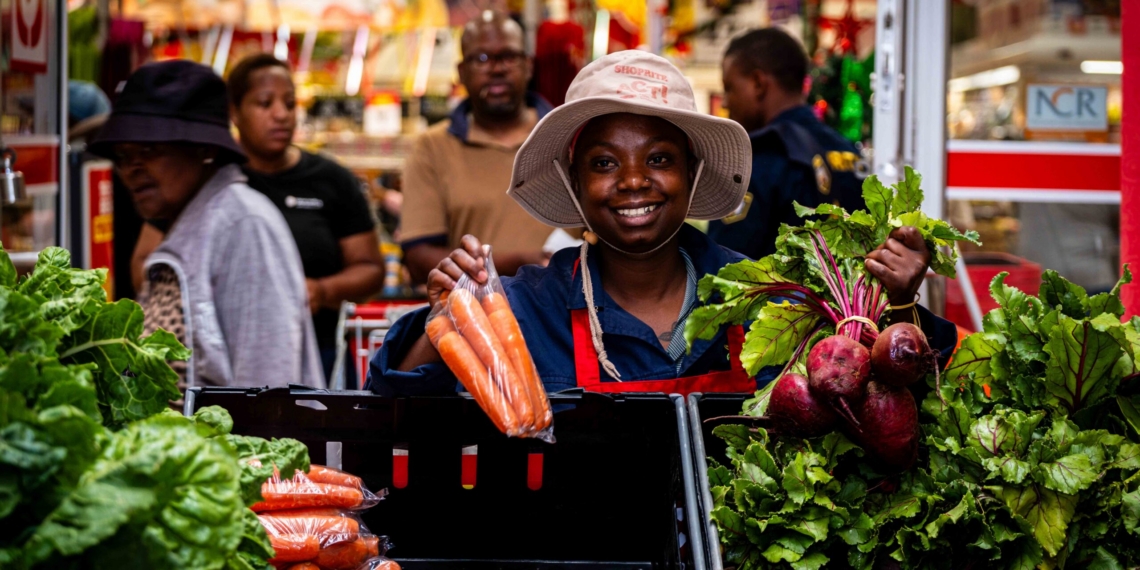
More than 80 community food gardens across southern Africa have taken their fresh produce directly to shoppers, gaining valuable retail experience and opening new opportunities to turn small-scale farming into sustainable businesses.
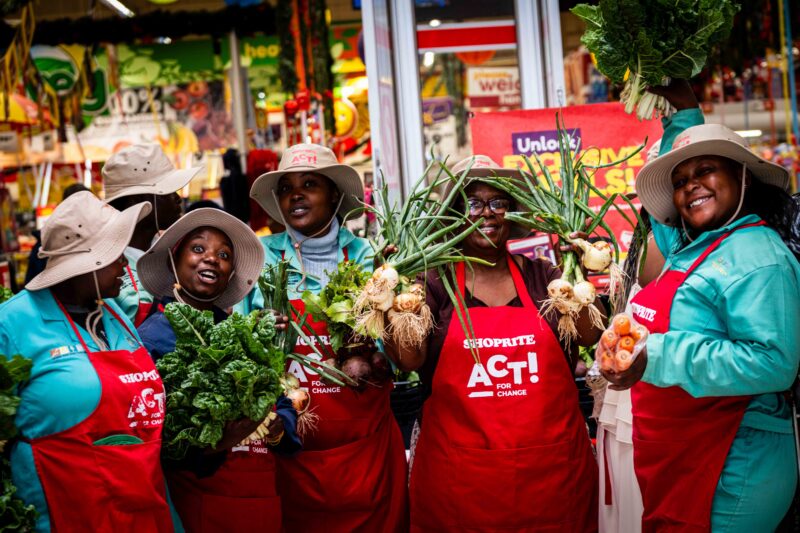
Community gardeners from South Africa, Botswana and Namibia recently swapped their garden plots for supermarket floors as Shoprite and Checkers stores hosted the retailer’s annual Market Day initiative.
The event gave more than 80 community food gardens an opportunity to sell their freshly harvested spring produce directly to customers, while learning what it takes to compete in a formal retail environment.
From spinach and fresh herbs to a variety of seasonal vegetables, the initiative brought locally grown produce closer to consumers and gave emerging growers a taste of commercial trading.
The participating gardens form part of more than 320 community food gardens supported by the Shoprite Group across southern Africa through its food security initiatives.
More than just selling vegetables
While Market Day provides an immediate opportunity to earn income, its longer-term value lies in helping community growers develop the skills needed to build sustainable agricultural enterprises.
Participants gain practical experience in product presentation, pricing, customer relations, communication and record-keeping, all essential skills for farmers hoping to grow beyond their local communities.
Sanjeev Raghubir, the Shoprite Group’s chief sustainability officer, said the initiative was about much more than selling fresh produce.
“Market Day is about so much more than the spinach, fresh herbs and the wide variety of farm-fresh seasonal produce that customers can purchase.”
He explained that bringing growers and shoppers together creates an opportunity to build confidence among emerging entrepreneurs while strengthening consumers’ connection with the people producing their food.
For community gardeners who often struggle to access established markets, the experience offers valuable exposure to the expectations of retail customers.
Related stories
- Shoprite hits 300th food garden milestone in Bredasdorp
- Small-scale food gardens win big in Shoprite’s Act For Change
- Early warning action essential as dry weather increases fire risk
- SA’s sugar industry at a crossroads: The shift to bioethanol
Free State garden grows into training hub
One of the participating projects was the Qholaqhwe Garden Project near Phuthaditjhaba in the Free State.
What began as an initiative to create employment opportunities for young people in the village and supply vegetables to a local crèche’s feeding scheme has developed into something considerably bigger.
The project has expanded into agro-processing and agricultural training, demonstrating how community food gardens can become platforms for rural economic development.
Malebane Minah, managing director of the Qholaqhwe Garden Project, said the garden’s growth had changed her understanding of what agriculture could achieve.
“Watching this garden grow from a small idea into something sustainable has shown me that agriculture can do more than just feed people; it can create jobs and bring a community together.”
Malebane Minah
For Minah, one of the project’s biggest achievements has been its ability to equip others with practical agricultural skills.
“We are accredited to offer training in crop production, so we can teach practical farming skills that people can use to support themselves.”
Other participating projects included the We Can Women’s Development Co-op, which sold its produce at Shoprite Paledi in Polokwane, and Vukasechaba Massive Fresh Produce Primary Co-op, which traded at Checkers Columbine Square in Gauteng.
Food gardens take on growing hunger
The initiative comes against a troubling backdrop of increasing household hunger in South Africa.
According to the latest South African Food Security Index, commissioned by the Shoprite Group, 12% of South African households experienced hunger in 2025, the highest level recorded since 2010.
Now in its third year, the index examines food availability, household access to food and dietary diversity.
The findings highlight the importance of initiatives that help communities produce their own food while creating opportunities to generate income from surplus harvests.
Through its Act for Change programme, Shoprite supports community food gardens with training, seedlings and infrastructure, helping growers improve production and strengthen their long-term sustainability.
The retailer is also running its second annual Act for Change Food Garden Competition, offering a collective R1 million in support tailored to the needs of winning gardens.
The competition recognises community gardening projects that contribute to local nutrition, environmental sustainability and community development.
Entries close on Sunday, 15 November 2026, and can be submitted free of charge through the competition’s data-free online platform at actforchangefoodgardencompetition.datafree.co.
For Raghubir, the impact of these initiatives extends well beyond the vegetables harvested.
“Market Day is a manifestation of an ethos that where vegetables grow, so does hope.”
For the gardeners who took their produce to supermarket shelves, the experience was also an opportunity to develop business skills, connect with customers and take another step towards turning community food production into lasting livelihoods.
ALSO READ: Shoprite opens second food garden competition with R1m in support