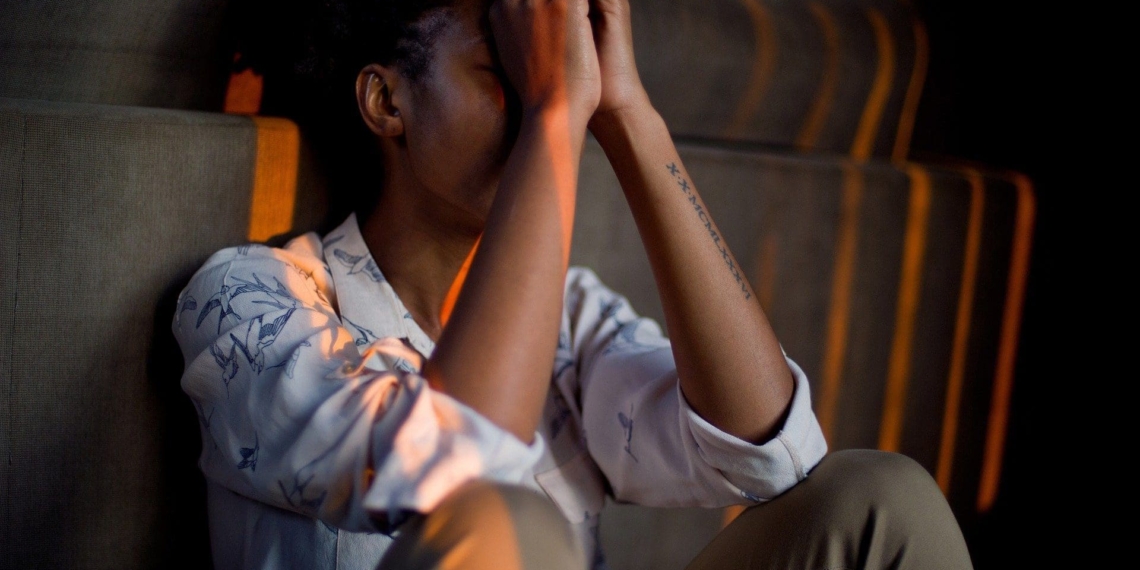
 As Mzansi descends into the eye of the covid-19 storm, another “pandemic” has reared its ugly head. Those infected by the coronavirus, especially in rural and farming communities, experience discrimination and ostracism.
A Pretoria-based psychiatrist, Dr Arnold Lawrence, tells Food For Mzansi that there are disturbing accounts from covid-19 infectees who are forced by their own communities to live in shame and fear of judgement.
Lawrence believes that the stigmatisation and discrimination against victims of the global pandemic can be likened to that of the HIV/Aids epidemic and the treatment of tuberculosis patients.
The families of those who succumbed to covid-19 related illnesses, as well as those infected with SARS-CoV-2 are labelled, stereotyped, and treated as social outcasts, he says.

Ignorance that surrounds the current health crisis stems from misinformation and an intensified paranoia amongst South Africans. “There is this stigma associated with victims that they are dirty and reckless. It will be a never-ending cycle if we approach the prevalence of stigmata in the same way we did the HIV/Aids epidemic.”
When covid-19 first hit South Africa, many people living in rural communities believed that the virus was only for the rich and famous, says Lawrence. Earlier, Food For Mzansi has also reported that some farming communities believed that it was a “disease for rich, white people who could afford to travel”.
Now there are coronavirus cases in these communities and suddenly these vulnerable people are now also labelled as dirty and reckless, warns Lawrence.
Dealing with the untimely loss of a loved one
A bereaved family who recently buried their father in Porterville in the Western Cape tell Food For Mzansi they too have been victimized in their own community. Tayelea Fransman (19) says since her father, Jeff, was buried, their community has not treated them the same.
Her father passed away at the end of June after a week in ICU. Shortly after his death, she and her younger sister started showing covid-19 symptoms – another blow for the Fransman family as her sister, Nyoka (12) tested positive for the virus.

After she recovered people turned their backs against her family, she says, even going as far as not wanting her to attend her own father’s funeral because they believed she would infect them too.
“People act like you’re dirty when they find out that you had the virus. I saw it with my mom and sister. People treated them differently and they gossip a lot. They are also scared to be associated with you even after you recovered.”
She still can’t believe that her family fell victim to the rampant virus. “This virus took someone I loved. Nobody should take this virus lightly. There are people dying and testing positive every day. Do not be ignorant.”
“The funny thing about this virus is that you can be as safe as possible, but it takes one handshake, or one breath.” – DR ARNOLD LAWRENCE
The mental anguish of stigmata on bereaved families can be as severe as the loss, says Lawrence. “We are dealing with something that is very horrible. You have to go through a lot, and during that loss you need to feel looked after, but what happens is that people turn you away. People believe if they associate with you, they will get the virus.”
Lawrence adds, “There are different pictures of the virus for different people. The current picture that has been painted by society is that you go to the hospital and die. Factually, those who have died are mostly patients who were high risk. And this is just information that was not sent out clearly.”
The solution is simple, he says, “Educate, educate, educate!”
Bouncing back stronger than ever
In Uitenhage in the Eastern Cape, Nozuko April (51) is happy to have recovered from the virus. In June she too contracted the virus and candidly shares her journey with her daughter, a YouTuber and entrepreneur Sinolwazi April.

“Every day, we hear about the infections and deaths, but we never hear about the stories from those who have recovered,” says Sinolwazi during a YouTube interview with her mother 21 days after her recovery.
In the video, Nozuko unpacks the highs and lows and coming to terms with her plight. She thought that she was just suffering from a normal bout of flu-induced fever. She went to the doctor and was prescribed medication. Two days later, she returned because she did not feel better. “The fever was terrible. I felt funny and did not think it would be related to coronavirus.”
Her suspicions were confirmed, though. She says that she was sitting on the edge of the bed when a cell phone notification came through about her covid-19 status. She tested positive. April says, at first, she was prepared and accepted her status. What scared her was when she looked up at her teary-eyed children’s worried faces.
“I was honestly expecting it! Before I even knew I started drinking a mixture of herbs to prepare myself to fight this virus.”
Twenty-one days later, and she is happy to have beat the virus. “I put on a brave face and refused to show weakness. I self-quarantined and made sure myself and family followed strict protocols.”
Her faith carried her through the challenging period. “I would not be here if God was not with me every step of the way,” she says.
‘The condoms of our time’
Meanwhile Lawrence says hand sanitiser has become the condom of our time. Even those who were not promiscuous contracted HIV/Aids and covid-19 is just as sneaky. If you catch it, chances are you might not even know until a couple of days later.
We are all responsible for each other now more than ever he says. “Assume you have the virus and treat others accordingly. The funny thing about this virus is that you can be as safe as possible, but it takes one handshake, or one breath.”
Protection is much harder than you think. “For covid-19, it is social distancing. For HIV/Aids it was, ‘Be wise, condomise’. Everywhere you went, there were posters promoting safer sex.”
However, people will make compromises and take risks for emotional gratification, he adds. “How much longer can you live in isolation? No dinner with friends? No hugging a grandparent? Weddings? Funerals? We will always make mistakes.”
Empathy should carry us through this pandemic, and not blame and judgement, he believes. “There are narratives that this virus is a ‘Chinese virus’ that is the same as calling HIV/Aids GRID: gay-related immune deficiency. Anyone can get this virus. That is our unfortunate reality.”
In the same way that HIV has decimated impoverished communities, it is those living in rural communities who will carry the brunt of the covid-19 pandemic, warns Lawrence. “We are interconnected and anyone who catches the virus can spark a chain reaction. It is taking hold in our townships, and these are the most vulnerable people.”