The minister of water and sanitation, Pemmy Majodina, has called on the water sector leaders and researchers to find long-term solutions for dealing with infrastructure, innovative financing, water governance and accountability, climate adaptation, digital technologies, groundwater development and water reuse.
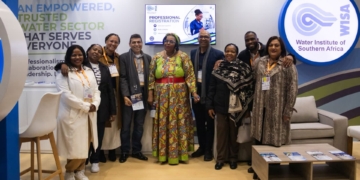
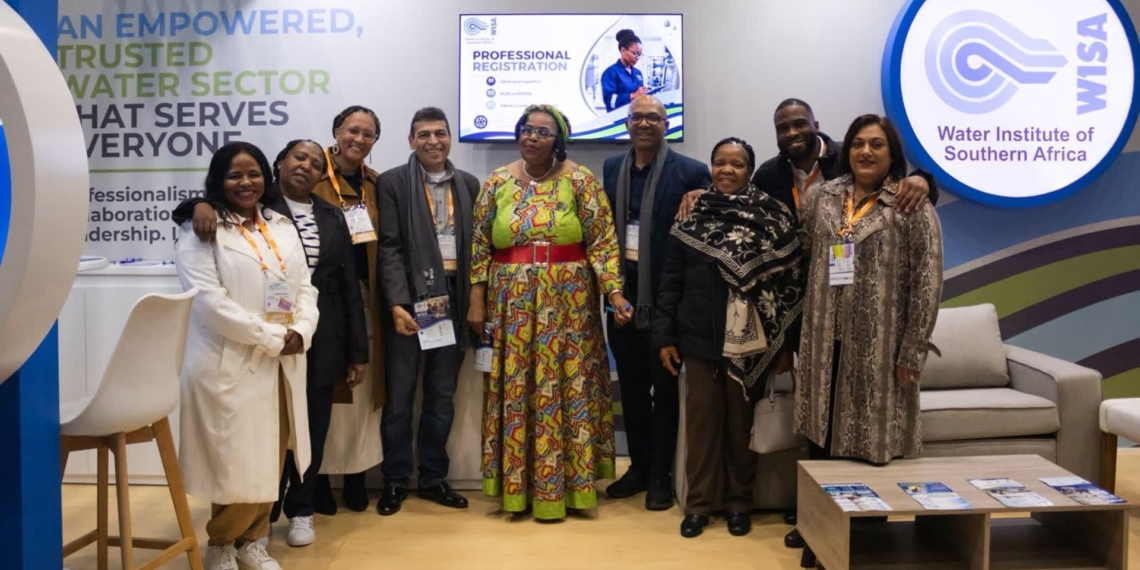
At the opening of the Water Institute of South Africa (WISA) Conference yesterday in Cape Town, Majodina urged all stakeholders, including agriculture, to think beyond current challenges.
“The theme of this conference, ‘Rethinking amanzi: Securing our future’, could therefore not be more timely. It challenges us to question conventional assumptions, embrace new ideas, and imagine a future in which water is managed differently, more intelligently, more sustainably and more collaboratively.
“It reminds us that securing our water future will require more than additional infrastructure. It will demand new forms of leadership, new governance models, new financing mechanisms, new technologies and, perhaps most importantly, a renewed commitment to collective action,” she said.
Food production depends on water
Majodina said climate change was altering hydrological systems, disrupting rainfall patterns, increasing the frequency and severity of droughts and floods, degrading ecosystems and placing unprecedented pressure on already stressed water resources.
“These global realities have profound implications for South Africa. We are one of the world’s thirty driest countries, with average annual rainfall well below the global average. Most of our economically important catchments are already heavily allocated.
Related stories
- Deadline looms: Register water use by 23 July or risk penalties
- Northern Cape youth lead the fight against water scarcity
- SA’s water crisis: A permanent threat to farming and economy
- Rooibos heads to space in groundbreaking Mzansi experiment
“Water must increasingly be understood as strategic national infrastructure in its own right. It is a resource that underpins economic growth, food production, and industrial competitiveness. Without secure water supplies, agriculture cannot guarantee food production,” she said.
Majodina highlighted that if water security was the destination, infrastructure remains one of the principal vehicles. “Yet infrastructure on its own cannot guarantee water security.”
Collaborate to find lasting solutions
In his opening address, the chief executive officer of WISA, Dr Lester Goldman, emphasised the importance of preserving water resources and implementing sustainable solutions through collective support and partnerships.
“South Africa does not lack talent. We have skilled engineers, dedicated scientists, and process controllers who are constantly upskilling. Accountability isn’t just about finding someone to blame when things go wrong. It’s about building a system that enables people to do things right,” he said.
Goldman further encouraged delegates to actively participate in knowledge-sharing and collaborative discussions to help tackle South Africa’s water crisis and secure a resilient water future for generations to come.
Meanwhile, WISA chairman Harrison Pienaar said the conference was not to talk shop but a platform to bring solutions to many industries facing water challenges – with agriculture being one of them – amidst poverty and inequalities in the country.
“Water moves beyond boundaries; what is important here is that everyone who is directly or indirectly involved with the water sector needs to be given an ear. We need to talk about the solutions. We know the problems; we need to talk about capacity development and sharing best practices,” he said.
READ NEXT: Climate change: SA’s food processors are feeling the heat