In a ground-breaking development for the global farming community, a dairy worker in the United States has been diagnosed with the avian influenza A(H5N1) virus, confirmed by the World Health Organisation (WHO).
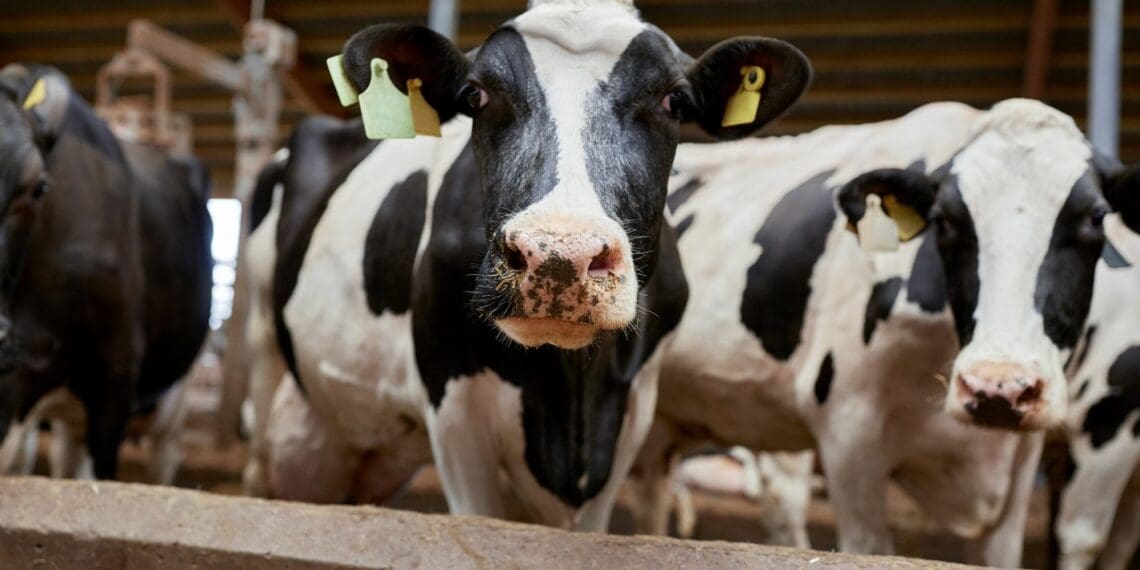
The Texas individual, whose identity remains undisclosed, also contracted conjunctivitis while employed at a commercial dairy farm. It is suspected that the worker was exposed to infected cows, marking a concerning turn of events in the farming sector.
“This is the second confirmed human case of influenza A(H5N1) detected in the country,” said the WHO in a release. The first case was identified in April 2022 in a person involved with culling birds at a poultry facility in Colorado.
Infection likely came from cattle
The recent case is significant because it appears to be the first human infection with A(H5N1) acquired from contact with an infected mammal, although human infections with other influenza subtypes have previously been acquired from mammals, the WHO noted.
Previously, avian influenza A(H5N1) infections in humans were primarily acquired through direct contact with infected birds or contaminated environments.
The good news is that the WHO assesses the public health risk to the general population from this virus to be low. “Since the virus has not acquired mutations that facilitate transmission among humans,” the WHO stated, “the risk of infection is considered low-to-moderate for occupationally exposed persons.”
Public health measures in place
Public health officials in Texas and the US Centres for Disease Control and Prevention (CDC) are taking steps to monitor the situation. These include:
- Surveillance activities in Texas to track any additional cases.
- Monitoring workers who may have been in contact with infected animals.
- Recommending people avoid unprotected contact with sick or dead animals, including wild birds, poultry, and other domestic animals.
- Recommending people avoid consuming raw or undercooked food products from animals suspected of having HPAI A(H5N1).
The WHO advises travellers to countries with known outbreaks of animal influenza to avoid contact with animals in live animal markets and to practice good handwashing hygiene. The WHO does not currently recommend any special traveller screening measures.
Related stories
- Avian influenza shocker: 2.7 million chickens culled
- Bird flu: Long road before poultry industry can be normal again
Nothing to worry about
Meanwhile, Agbiz senior economist Wandile Sihlobo said bird flu was worrying and worth monitoring. “Fortunately, this is not an issue in South Africa. Therefore, there is no need to panic.
“The agricultural community can monitor the situation in the United States and continue to stay vigilant and adhere to best biosecurity practices, as is often the case in commercial farming in South Africa,” he said.
Sihlobo said with all the animal disease talk in the United States, consumers and farmers should not to stress but know that they are safe, and they can continue to enjoy their various high-quality proteins.
“Over the past few years, we have had a fair share of animal disease challenges here in South Africa – African swine fever in pigs, avian influenza in poultry, and foot-and-mouth disease in cattle. These had heavy financial losses on the producers and various companies. But I believe we are on a path to recovery from the recent outbreaks as a country.
“Our focus is now on regaining our export market and penetrating new and exciting countries this year. This export drive is mainly in the South African beef industry. We aim to increase the exports to new markets such as Saudi Arabia and China,” he said.
ALSO READ: FS AgriCareers roadshow leaves 1 000+ learners spoilt for choice
Sign up for Mzansi Today: Your daily take on the news and happenings from the agriculture value chain.