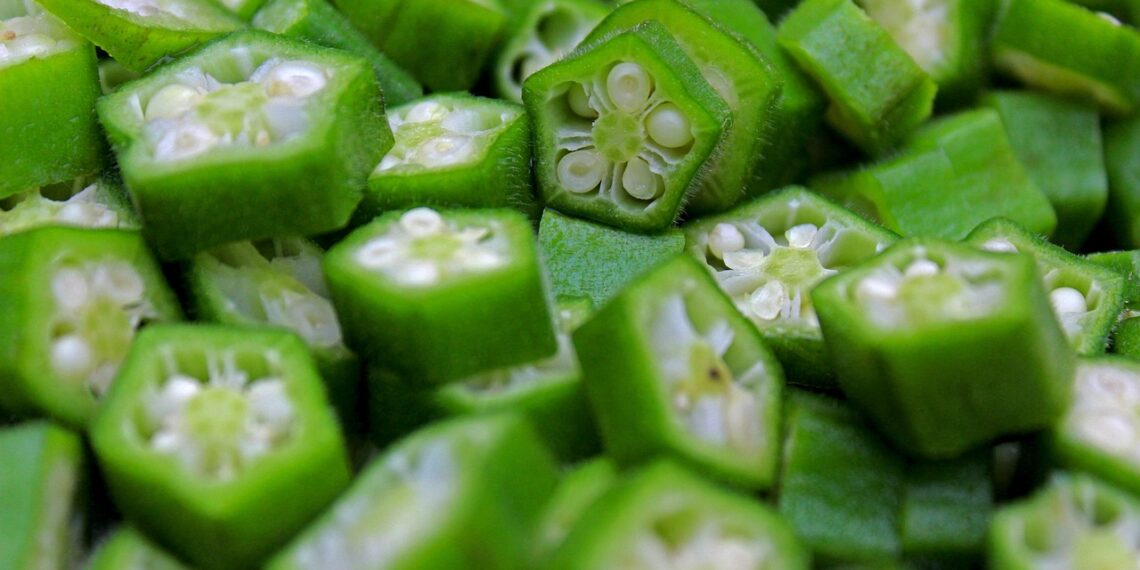
Okra has been a staple in Western African kitchens for generations. From gumbo to stews, this veggie adds a distinctive taste to meals while offering numerous health benefits.
In a Health For Mzansi article, okra is described as a versatile vegetable with deep cultural roots. Known for its ability to support blood circulation and alleviate chronic constipation, okra is considered a nutritional powerhouse, with its seeds rich in antioxidants that can aid in managing diabetes.
As Dr Udoh Akpan, a post-doctoral researcher at the University of KwaZulu-Natal, states, “Okra supports blood circulation and can also alleviate chronic constipation.”
Cultivation and culinary uses
Traditionally a staple in Western African kitchens, its culinary journey has expanded globally, allowing people to enjoy its vibrant taste and numerous health benefits. Mary Okeke-Ezebili from Lagos notes, “It used to be more affordable because it’s a local vegetable,” highlighting the rising demand that has affected its price.
Beyond its culinary uses, okra is also celebrated for its cosmetic benefits. Ofobea Baah, a senior technician at Akropong Akuapem University of Education in Ghana, explains, “The slippery texture of okra helps with detangling hair, reducing breakage, and making it easier to manage.”
This unique property makes okra a popular ingredient in homemade haircare routines.
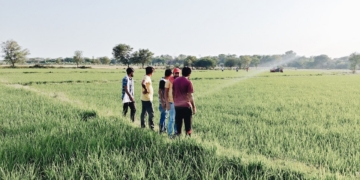
For those looking to cultivate okra, it thrives in hot, sunny conditions, particularly in regions like Limpopo, South Africa. Ngeletshedzo Makhaga, a production scientist, advises, “Slight irrigation is needed after planting and can be done at intervals of 4-5 days.”
With its rich history and versatile applications, okra continues to thrive in gardens and kitchens worldwide, bringing both flavour and health benefits to the table.
READ THE FULL ARTICLE HERE.
This article was first published on Health For Mzansi and written by Vateka Halile.
READ NEXT: Flower power: Farming couple turns fynbos into global business
Sign up for Mzansi Today: Your daily take on the news and happenings from the agriculture value chain.