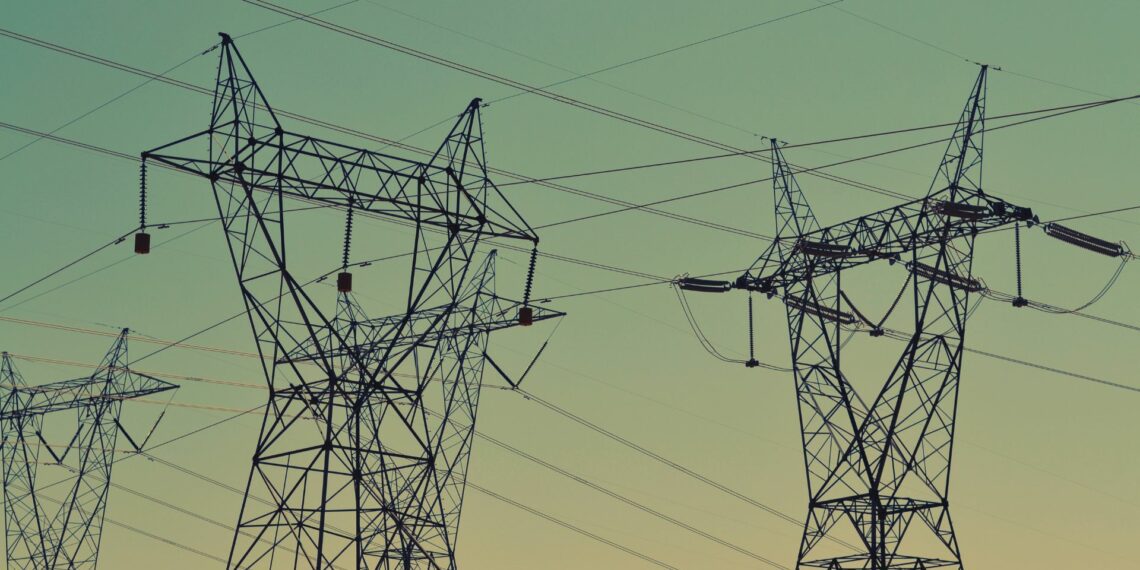
Consumers should brace themselves for a massive food hike following the National Energy Regulator of South Africa’s (Nersa) approval of the power utility‘s electricity price increase to 12.74% from April. The increase will hit farmers hard leading to a knock-on effect.
While farmers are battling to ensure that they keep their operations running amid the rolling blackouts, the increase in the price of electricity will further burden the food producers who will be left with no other choice but to pass the costs to the consumers.
According to the head of the energy secretariat at the South African National Energy Development Institute, Professor Sampson Mamphweli, the rise will not only impact South African agriculture but food production as a whole. He predicts this will ultimately lead to a possible increase in food prices.
Food price increases are unavoidable

“The price of food will increase because the farmers will have to pass the cost over to the consumers, mostly in the post-harvest processing part that requires a lot of electricity,” he said.
However, Mamphweli believes that farmers should be able to find alternative electricity sources to help reduce the pressure of increased electricity costs.
“Farmers have got various options, they can install biogas digesters if they have animal waste in the farm for the production of biogas and conversion into electricity and heat.
“They can also install solar panels for electricity production. Where they have a good wind resource they can install wind turbines. These technologies are now affordable,” he said.
READ NEXT: Don’t miss out: Secure your spot at Mzansi Young Farmers Indaba!
Heavy burden on the sector
Meanwhile, African Poultry Producers chief executive Kopedi Pilane said the current state of electricity supply in South Africa is a sore point for farmers, especially in the industry’s environmentally controlled production industries like poultry, dairy, and fresh vegetables. It’s a double-edged weapon against farmers.

Pilane told Food For Mzansi that the agriculture sector lost about R23 billion in crop production due to load shedding in 2022. This past year, he believes, has been worse than 2022 due to both load shedding and rising fuel costs and increased electricity costs from the grid.
“About 12.75% increase and increased frequency of load shedding could lead to more farmers closing shop, as it has affected the costs of production to unrecoverable levels of production, and has almost doubled the price of poultry products for public consumption.
“Big and small-scale farmers are equally vulnerable. Chicken abattoirs have experienced abnormal costs related to backlogs in the chicken slaughter programme which have resulted in higher feed costs for older birds and excessive processing costs,” he said.
READ NEXT: Navigating troubled waters: CT port manager shares recovery plans
Increased debts on the cards
He believes what farmers will experience the moment the price increases, will be challenges in production at an increased form, making it tough for the industry to expand and create new jobs.
“There is going to be increasing debts for farmers taking alternatives in the form of solar energy and others. The industry debts are estimated to have risen from R50 billion in 2006 to over R200 billion in 2023 largely owing to increasing inputs costs caused by load shedding and increasing electricity tariffs,” said Pilane.
Sharing the same sentiments as Pilane, North West farmer Lebogang Matsose explained that the increased electricity prices added pressure on her business.
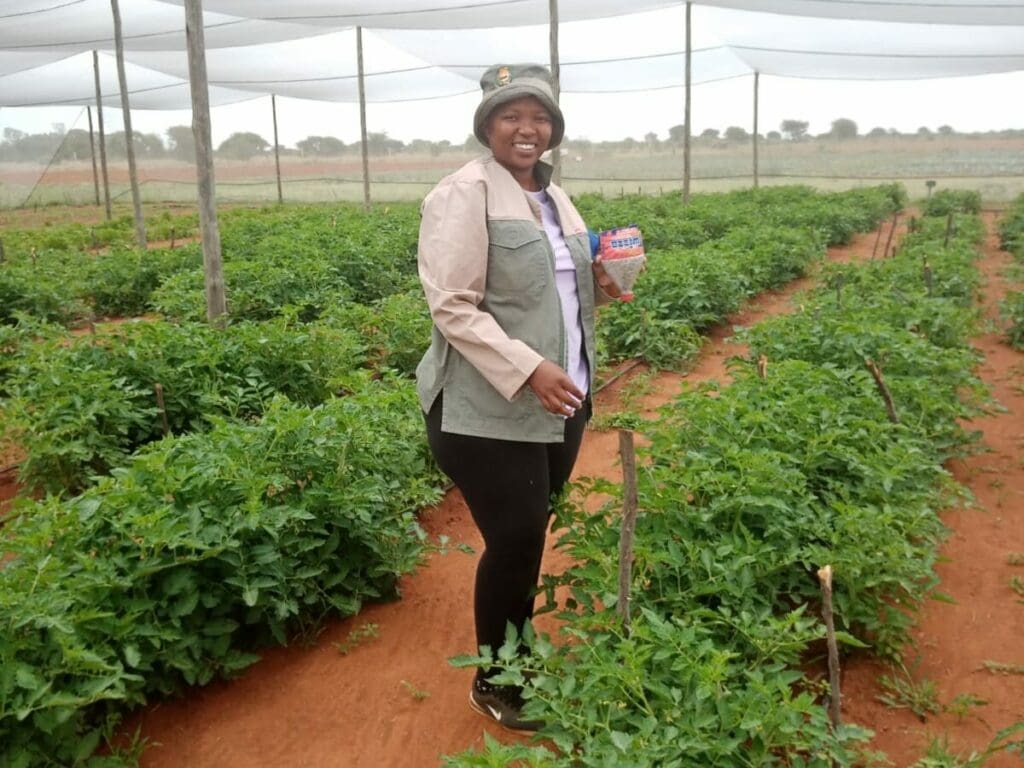
“I am not happy with the hike. It is going to impact my business profit negatively, I think some farmers will be forced to scale down. We are already struggling with load shedding which has harmed our production and operations. This has lowered our profits and increased production costs,” she said.
ALSO READ: A year later: Farmers mull over progress of energy action plan
Sign up for Mzansi Today: Your daily take on the news and happenings from the agriculture value chain.