Sunday, September 6, 2026
SUBSCRIBE
22 GLOBAL MEDIA AWARDS
Food For Mzansi
  • News
  • Changemakers
  • Lifestyle
  • Farmer’s Inside Track
  • Food for Thought
No Result
View All Result
  • News
  • Changemakers
  • Lifestyle
  • Farmer’s Inside Track
  • Food for Thought
No Result
View All Result
Food For Mzansi
No Result
View All Result
in News

Farmers demand fair play amid GM maize imports

Amid food shortages in Southern Africa, South Africa imports GM maize, reigniting policy debates. Stakeholders highlight its potential to ease regional food shortages but question its fairness for local farmers

by Patricia Tembo
5th December 2024
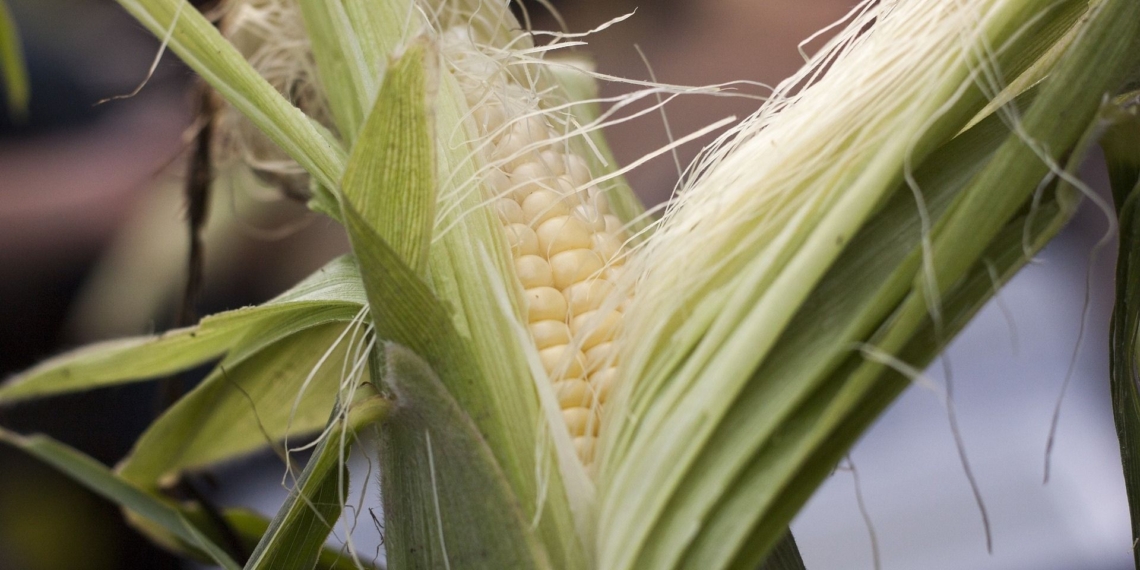
GM maize is set to be imported from the USA to compensate lower domestic production yields due to droughts. South African farmers are demanding equal access to advanced technology through policy reform.
Photo: Pixabay

GM maize is set to be imported from the USA to compensate lower domestic production yields due to droughts. South African farmers are demanding equal access to advanced technology through policy reform. Photo: Pixabay

Share on FacebookShare on TwitterShare on WhatsApp

The recent decision to import genetically modified (GM) maize into South Africa has sparked debate among stakeholders in the maize industry. While the move addresses food security needs in Southern Africa, it raises concerns about fairness and long-term implications for local farmers.

Tobias Doyer, chief executive officer of Grain SA, emphasised the benefits of GM technology but questioned the inconsistent policies that govern its use.

“We are not anti-technology per se because we have seen the huge benefits in productivity to consumers in terms of lower prices and we have seen the huge benefits in terms of lower impact on natural resources. It’s just unfair that the government doesn’t approve it for us, and yet our competitors are allowed to import it or export it from their place.

“So it’s good enough for people to eat, but it’s not good enough for producers to use [and] that doesn’t feel fair to me,” he said.

Impact on small-scale maize farmers

Doyer pointed out that South Africa had to resort to importing maize from the United States after exporting much of its locally produced maize to neighbouring countries grappling with severe shortages.

“South African producers were able to produce enough for our own consumption, but because we exported lots of our product to support our neighbours, we now have to import maize from America. It’s not for us, they’re importing it for our neighbours, really,” he explained.


Related stories
  • Mzansi’s maize production drops, but exports hold firm
  • SA maize harvest off to a promising start
  • Mycotoxin menace: Threat to Eastern Cape’s maize supply

While the importation addresses immediate shortages, Doyer warned that it might disadvantage smaller-scale farmers in the long term.

“At this stage, [the imports] are not going to influence [small-scale farmers] in a big way because we are experiencing a shortage and benefitting from higher prices, however, in the long run, it’s going to put us in a very uncompetitive place.” 

He highlighted the importance of providing small-scale farmers with access to advanced technology.

“I know that there are lots of people that romanticise the old varieties and non-GMOs, but that’s really good technology. It’s good for small farmers as it is for big farmers,” Doyer added.

While GM maize imports might stabilise food supplies in the region, Doyer underlined the importance of aligning local policies to ensure fair access to technology for South African farmers.

“We did apply for drought tolerance, and it was actually an Africa-wide initiative, but the process in South Africa was delayed. In the meantime, our competitors enjoyed that advantage for a number of years,” Doyer noted.

Long-term solutions needed

Phaladi Matsole, the owner of Sebata Maize Milling, expressed concerns about the broader impact on local farmers, noting the reluctance of the public and private sectors to explore long-term solutions.

“This will be a huge blow to local grain farmers. Currently, input costs are relatively high with very low returns due to climate change.

“Importing GM drought-resistant maize alone without the government’s subsidy on crop insurance is not a long-term solution to the challenges grain farmers are facing,” he said.

Wandile Sihlobo, chief economist at the Agricultural Business Chamber, provided context on the regional maize crisis. He noted that South Africa had sufficient maize supplies despite production challenges caused by a mid-summer drought, which led to a 23% decline in output.

“South Africa’s maize harvest of 12.72 million tonnes is well above the annual needs of 11.8 million. Moreover, South Africa had large stocks of more than two million tonnes from the last season,” Sihlobo said.

However, according to Sihlobo, South Africa continued to export maize to neighbouring countries experiencing severe shortages.

Sihlobo said Zimbabwe lost 60% of its maize harvest, while Zambia and Malawi also experienced significant losses. This demand has led to speculation that South Africa could import up to 800 000 metric tonnes of maize in the 2024–25 marketing year.

READ NEXT: Court slams municipality with R160m fine for polluting water

Sign up for Mzansi Today: Your daily take on the news and happenings from the agriculture value chain

Patricia Tembo

Patricia Tembo is motivated by her passion for sustainable agriculture. Registered with the South African Council for Natural Scientific Professions (SACNASP), she uses her academic background in agriculture to provide credibility and technical depth to her journalism. When not in immersed in the world of agriculture, she is engaged in outdoor activities and her creative pursuits.

Tags: Commercial farmerCommercialising farmerGrain SAInform memaize farmers
Dragon fruit thrives in KZN valley despite tough national season
News

Dragon fruit thrives in KZN valley despite tough national season

by Gerda Potgieter
3rd September 2026

South Africa’s dragon fruit industry faces a tough season due to severe weather, but the Maqogo community project in the...

Read moreDetails
The future of Mzansi's sugar industry hangs in the balance

Government hikes sugar import price, but industry warns of gap

3rd September 2026

Chicken is booming, but the real money is in the supply chain

2nd September 2026
How Tebogo beat post-harvest losses with smart agro-processing

How Tebogo beat post-harvest losses with smart agro-processing

2nd September 2026

Aucamp outlines strategy for biosecurity, trade, and infrastructure

2nd September 2026

Honoured roots: A father’s legacy, a daughter’s farming dream

Chicken is booming, but the real money is in the supply chain

Beyond finance: Making women-led farms bankable

Tough times, hardy cattle: Why Mzansi farmers are choosing Nguni

This week’s agri events: 31 August – 03 September

Join Food For Mzansi's WhatsApp channel for the latest updates!

JOIN NOW!
Next Post
Gift your heart with good food this festive season

Gift your heart with good food this festive season

THE NEW FACE OF SOUTH AFRICAN AGRICULTURE

With 21 global awards in the first six years of its existence, Food For Mzansi is much more than an agriculture publication. It is a movement, unashamedly saluting the unsung heroes of South African agriculture. We believe in the power of agriculture to promote nation building and social cohesion by telling stories that are often overlooked by broader society.

Plant, pick, protect: The rising potential of urban foraging in SA

RSVP now: Emerging farmers’ programme at Nampo Cape

Community-led farms boost food security and incomes in Limpopo

Farmers rethink water use as shortages threaten food production

Honoured roots: A father’s legacy, a daughter’s farming dream

Gauteng farmers urged to harness massive urban market

  • Awards & Global Impact
  • Our Story
  • Contact Us
  • Cookie Policy
  • Privacy Policy
  • Copyright

Contact us
Office: +27 21 879 1824
News: info@foodformzansi.co.za
Advertising: sales@foodformzansi.co.za

Contact us
Office: +27 21 879 1824
News: info@foodformzansi.co.za
Advertising: sales@foodformzansi.co.za

  • Awards & Global Impact
  • Our Story
  • Contact Us
  • Cookie Policy
  • Privacy Policy
  • Copyright

Chat Options

I'm Lerato, your AI assistant!
No Result
View All Result
  • News
  • Changemakers
  • Lifestyle
  • Farmer’s Inside Track
  • Food for Thought

Copyright © 2024 Food for Mzansi

This website uses cookies. By continuing to use this website you are giving consent to cookies being used. Visit our Privacy and Cookie Policy.