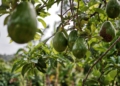
At a time when the export season is at its peak, weeks of torrential rain in the Western Cape have delayed citrus harvesting in Citrusdal. However, citrus growers in the area remain hopeful and are working hard to get things back to normal.
Heavy and consistent rainfall over large parts of the province has left many people displaced and led to the damage of infrastructure and the closure of access roads.
Citrusdal is among some of the areas worst affected by infrastructure damage and road closures
Difficult to put a number on it
Farmers in the agricultural town also suffered and are counting their losses. However, Justin Chadwick, CEO of the Citrus Growers Association, reports that it is very difficult to put a rand value on what has been lost.
“In terms of crop, the whole area has lost between 10% and 15% of its crop. Early navels and Clementines are affected especially,” he said.
CGA reported that about 60% of the early cultivars were harvested when the worst rain hit. Harvesting in the area is about two weeks behind in total now – one week’s delay from rain, and one week’s delay from the floods, Chadwick said.
Rushing for exports
Expectations are that the rebuilding costs will also be significant. Roads were badly damaged during the heavy rains.
The town’s main access off the N7 highway caved in and according to the Cederberg Municipality, remains shut.

The Algeria Road, which connects Kaapse Weg to Citrusdal, has since been reopened. The Brakfontein Bridge, on the Mouton Citrus farm, is also being used to transport goods to and from Citrusdal.
According to Chadwick, other farm infrastructures like pumphouses on the river were ruined and whole orchards were also lost.
“The flood-related delays definitely add to the various challenges farmers are facing. Roads were closed, so citrus couldn’t get out of the area. The citrus industry’s immense potential for growth is being hampered by a number of things,” Chadwick said.
Support from government
This is a busy time with the export season beginning to reach a peak at the ports. Chadwick said because of the extreme weather, the shipping process at the Cape Town port was also closed for periods of time.
The CGA has been engaging with relevant government departments regarding assistance growers require to get their fruit to the port in the immediate term, as well as support to recover over the longer term.
ALSO READ: Cable thieves strike flood-hit farm communities
Our new reality
The El Niño-Southern Oscillation (ENSO) currently predicts above-normal rainfall for most of the country during winter (Jun-Jul-Aug) through to early spring (Aug-Sep-Oct).
This is not only relevant for the southwestern parts of the country during winter but also for the eastern coastal areas during spring.
According to the South African Weather Services (SAWS), this above-normal rainfall forecast is particularly important for the winter rainfall regions and the south and south-western parts of the country, which will likely have a positive impact on crop and livestock production.
However, above-normal rainfall during winter months over the summer rainfall regions is not likely to be significant.
“Therefore, the relevant decision-makers are encouraged to advise farmers in these regions to practice soil and water conservation, proper water harvesting and storage, establishing good drainage systems, and other appropriate farming practices,” SAWS advised.
READ NEXT: Food For Mzansi bags 6 Bookmark nominations
Sign up for Mzansi Today: Your daily take on the news and happenings from the agriculture value chain.