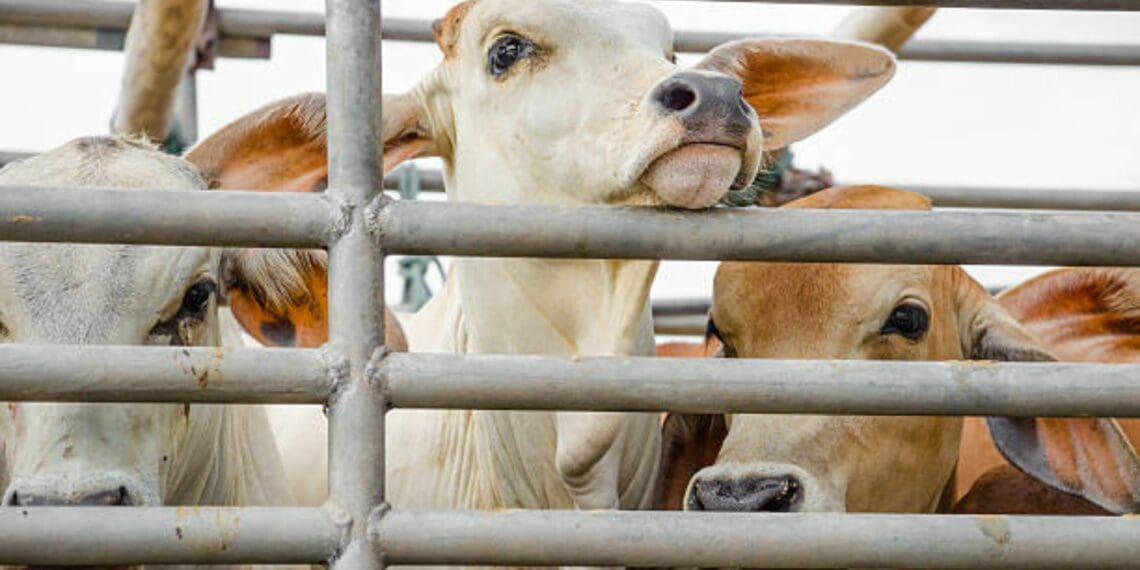
The KwaZulu-Natal department of agriculture and rural development has confirmed the continued presence of foot-and-mouth disease (FMD) in the province, particularly in areas like Mtubatuba and the northern part of Kruger National Park.
According to the department, clinical signs of FMD were observed in cattle at a dip tank in Mtubatuba, leading to sample collection and the confirmation of a strain of FMD (SAT1). This follows an ongoing FMD SAT2 outbreak in the region since 2021.
“More recently, cases have also been reported in the districts around Vryheid and Newcastle, with tests underway to determine whether these outbreaks are caused by the SAT1 or SAT2 strain.
“Control measures within the disease management area (DMA) remain unchanged. The affected dip tanks remain under quarantine, and vaccination efforts in the area continue. The vaccine being used covers all three FMD SAT strains,” the department said.
Related stories
- Steenhuisen forms rapid response team for FMD outbreak
- FMD: Four provinces get green light while KZN, EC still struggle
The department added that dip tanks in newly affected areas have also been placed under quarantine.
“These outbreaks highlight the persistent threat of FMD and the critical need for stringent control measures to prevent its spread,” the department said.
Agriculture minister John Steenhuisen stressed the importance of strict compliance with biosecurity protocols and urged farmers and livestock owners to promptly report any suspected cases to veterinary authorities.
Strict protocols to be followed
“The department reminds livestock owners that control measures implemented nationwide since October 2022 must be strictly followed to reduce the risk of further spread.
“Cloven-hoofed livestock across South Africa may only be moved if accompanied by a health declaration from the owner, confirming the animals’ health at the time of movement,” he said.
Additionally, the department said any newly introduced cattle, sheep, or goats must be kept separate from resident herds for at least 28 days.
“All livestock farmers across the country are strongly encouraged to limit animal movement as much as possible. Auctioneers and livestock owners should be particularly cautious when purchasing cloven-hoofed animals from provinces with active FMD outbreaks.
“No cloven-hoofed animals should be accepted from areas under FMD restrictions in KwaZulu-Natal, Eastern Cape, Limpopo, and Mpumalanga provinces.”
The department said any suspicious clinical symptoms – including excessive salivation, blisters in the mouth, limping, or hoof lesions – must be reported immediately to the local state veterinarian.
“Infected animals must not be moved under any circumstances. The act prescribes specific control measures, including isolation and movement restrictions, which are enforced by veterinary,” the department advised.
READ NEXT: Harvesting growth: Remmoho celebrates fruitful farming success
Sign up for Mzansi Today: Your daily take on the news and happenings from the agriculture value chain.