
South Africa is known globally as a producer and exporter of citrus, deciduous and subtropical fruits. In every corner of South Africa you can find different fruit crop types that are suited to the climate of that area. No matter where you are in the country, if you want to start farming with fruit crops, you can have your pick of the crop!
Sandra van Eeden, a horticulture and post-harvest production lecturer at Elsenburg Agricultural Training Institute in the Western Cape, gives some insights on the scope and opportunities of fruit farming in Mzansi.

“My current post as lecturer allows me to come into contact with the farmers and production managers of the future,” Van Eeden says. “I also research the most recent developments in fruit production, and I get to spend time in fruit orchards with students and commercial farmers.”
If you are hoping to become a fruit crop farmer in the future, Van Eeden helps to break down the different fruit crops that can be farmed in the different provinces, as well as the lucrative fruit crops that you should consider if you want to enter this sector.
Different regions, different fruit crops
“Mzansi has many different climate zones,” says Van Eeden. “So, there are very few horticultural crops that can’t be produced locally.”
Due to the different climate regions across South Africa, different fruit crops flourish in different areas.
1. Mpumalanga and KwaZulu-Natal
In the lowveld (Mpumalanga) and KwaZulu-Natal you can grow most sub-tropical crops, says Van Eeden. In general, subtropical fruit types require warmer conditions and are sensitive to large fluctuations in temperature and to frost.
This includes fruit crops such as:
- Citrus
- Mango
- Litchi
- Avocado
- Macadamia nuts
- Bananas
According to Agribook, subtropical fruit like avocados, mangoes, bananas and litchis are important crops for Mzansi because these crops have high growth potential and are also labour intensive, meaning they are good for job creation.
ALSO READ: Aquaculture: Five tips to get started
2. Free State
“In the Free state we can grow cherries in the high-lying, colder areas,” Van Eeden says. As a point of interest, the Free State province supplies 90% of Mzansi’s cherries.
The temperate and climate of the eastern Free State also lends itself to the production of deciduous fruits such as:
- Apples
- A range of different berries
- Peaches
- Plums
- Apricots

Berry farming in general is capital and labour intensive, making it a difficult farming enterprise to pursue. On the other hand, it is well suited to export opportunities in the Northern Hemisphere. Because our seasons are swopped, we are able to export our berries while theirs are out of season and in demand.
3. Northern Cape
“The Northern Cape is suitable for pecan nuts, dates and several varieties of table grapes,” says Van Eeden.
You might think that the only thing that grapes are good for is for making wine, but South Africa is a global role player in supplying table grapes. The Global African Network notes that the Northern Cape is a big contributor to the national basket of exports, not only in minerals but also in agricultural products such as table grapes and raisins.
ALSO READ: How to start your own chicken farm
4. Limpopo
This might be news to you, but South Africa is the world’s biggest grapefruit exporter, with Limpopo being the leading grower of grapefruit in Mzansi.
Other fruit crops in Limpopo:
- Mango
- Pawpaw
- Macadamia nuts
- Avocado
Grapefruit is not the only lucrative fruit crop to keep in mind if you want to farm in Limpopo, but also avocadoes. The South African avocado industry also has a strong reputation in international markets.

5. Western Cape
“The Western Cape is known worldwide for producing deciduous fruit of the highest quality,” Van Eeden says.
Among these are (in the colder areas):
- Apples
- Pears
- Cherries
- Citrus
In the slightly warmer parts of the Western Cape you can find stone fruit crops, such as peaches and plums. Olives are also successful in this Mediterranean climate, according to Van Eeden.
“Blueberries are also produced in increasing numbers,” she says. “Then of course citrus is well known from the Citrusdal area.”

6. Eastern Cape
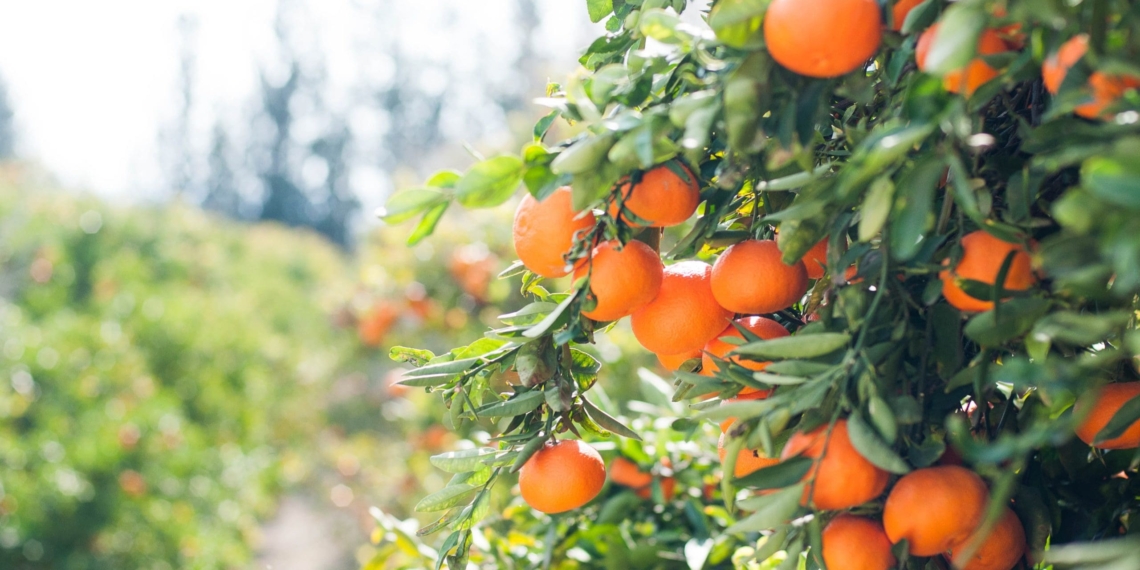
Citrusdal might be renowned for citrus in the Western Cape, but the Eastern Cape is truly renowned for citrus of exceptional quality, says Van Eeden, especially in the Kirkwood and Patensie areas.
The Eastern Cape produces the most citrus in South Africa, according to Agri Eastern Cape.
The dominant citrus crops are:
- Oranges
- Grapefruit
- Lemons
Agri Eastern Cape warns that citrus farming is not an overnight process. It takes three to five years for the trees to start bearing fruit and they only live for 25 to 30 years.
ALSO READ: What farmers should know about workplace industries
Which fruit crop should you start with?
Are you excited to start farming with fruit crops, but aren’t sure which one you should start with? Van Eeden gives some industry insights.
“Fruit crops unfortunately have extremely high establishment costs, and it takes about five years for a decent return on investment,” Van Eeden says. So, fruit crops are not for the faint of heart who want to see immediate results.
There are some fruit crops that can bring you a quicker return on investment, though.
“Non fruit tree crops, like blueberries and strawberries, start producing a crop much sooner,” Van Eeden says. Within the first two years these crops can bear fruit, and they can also be farmed intensively on a smaller scale.
Van Eeden suggests looking at tea crops, especially in the Western Cape. Field crops like rooibos, honeybush and buchu can be produced with markedly less establishment costs.
“Rooibos and honeybush are in great demand in Japan and Germany especially, and our highest quality is exported,” she says.

Another lucrative option is avocados.
“Avocados are in high demand at present, and it seems that the demand will keep increasing in the near future,” Van Eeden says.
The biggest thing to remember is that the price and profitability of fruit crops are driven by demand, which means export markets should be your main goal.
“Our biggest markets are the UK and Europe, and increasingly the Middle and Far East,” according to Van Eeden. “Our biggest advantage is that SA is in the southern hemisphere, and can thus export to northern markets in their off-season.”
ALSO READ: New farmers: What to do when looking for a farm
Opportunities in the fruit crop industry
Click here for an extensive list of links to further reading opportunities about fruit crops.
If you are an up-and-coming farmer trying to get started in fruit crop farming, find out about the following programmes from the Fresh Produce Exporters’ Forum:
1. Emerging Exporter Support Programme
Candidates receive a combination of mentorship, coaching, practical support (access to fruit, markets, post-harvest technical guidance, logistics guidance, risk management), as well as opportunities to gain practical exposure and experience in the form of short-term placements and/or job shadowing.
Contact Johannes Brand on johannes@fpef.co.za for more information.
2. Top of the Class (TOC) programme
TOC is a SETA-accredited opportunity for previously disadvantaged students to be exposed to the entire fresh fruit value chain.
Visit the FPEF website for more information.
3. The Leadership & Mentoring (L&M) programme
The L&M programme pairs employees with leadership potential with the person to whom they report in the workplace. Amongst the objectives of L&M is the transformation of the leadership profile in the business.
Visit the FPEF website for more information.