Farm insurance is often viewed as a grudge purchase, yet in an environment defined by climate volatility, rising input costs and limited state support, it has become a core business tool rather than a nice-to-have.
Agricultural economist and Land Bank Insurance strategic partnerships manager, Lunga Njara, unpacks what insurance really means for farmers, the options available, and how to make informed decisions that protect the farm business.
At its core, insurance is about managing risk. According to Njara, it forms one pillar of a broader risk management strategy.
“Insurance is essentially a risk-transfer mechanism. In farming, you can either avoid risk, absorb it, ignore it, or transfer it – and insurance is how you transfer that risk,” he explains.
“Our role as insurers is to ensure that when a farmer has planted, invested in livestock or acquired assets, those interests are protected so that one adverse event doesn’t wipe out the business,” Njara says.
Related stories
- How parametric insurance can help farmers fight climate change
- Hail and flooding demand critical crop insurance safety net
- Soil moisture insurance: A lifeline for small-scale maize farmers
- Fires, frost, floods: Low insurance uptake threatens farmers
Why insurance is no longer optional
According to Njara, insurance should be treated as a business necessity.
“Agriculture operates in a uniquely challenging environment, particularly from a climate perspective. Farmers are exposed to frequent and severe perils such as fire, hail, frost, theft, drought and floods – and climate change is intensifying these risks.”
Unlike some countries, South Africa does not have a dedicated agricultural insurance subsidy scheme.
“That means farmers need to factor insurance into their business strategy, rather than relying on external support when losses occur,” he says.
The main types of farm insurance
Njara outlines two broad categories of agricultural insurance available in South Africa: indemnity insurance and parametric (or index) insurance.
1. Indemnity insurance
Indemnity products compensate farmers based on actual losses suffered.
Crop insurance falls into this category and is typically divided into:
- Named-peril (single-peril) cover, which insures against specified risks such as hail, frost or fire. This is based on a simple product design; loss assessments are based on a percentage loss, therefore making it reliable because it is scientifically based on loss adjustment procedures used.
- Multi-peril crop insurance, which offers yield-based protection against insurable natural perils, is subject to exclusions. This type of cover requires robust historical yield data, usually over five years or more. This is based on a simple product design; loss assessments are based on a percentage loss, therefore making it reliable because it is scientifically based on loss adjustment procedures used.
Livestock insurance provides mortality cover for animals such as cattle, sheep and goats.

Asset and property insurance protects farm infrastructure
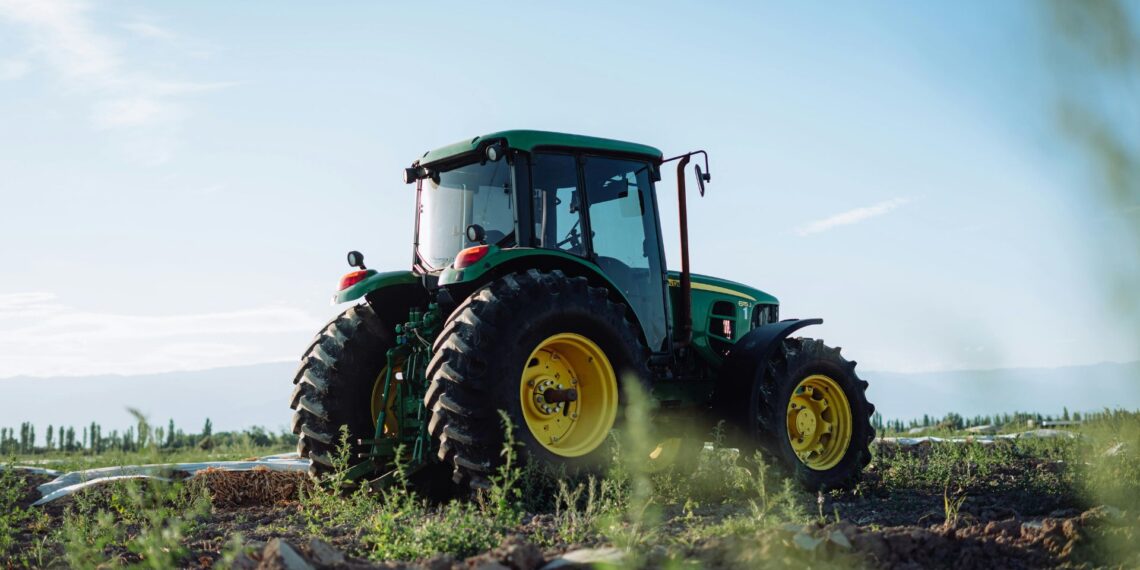
This includes tractors, implements, buildings and storage facilities, against risks such as fire, storm damage, theft and accidental damage.
2. Parametric (index) insurance
Parametric insurance is a newer, more innovative approach that pays out when a predefined trigger is met, rather than after a physical loss assessment.
“These products focus on deviations from the norm,” Njara says. “If rainfall is significantly below or above expected levels, that or excess rainfall deviation triggers a payout.”
Examples include:
- Area yield index insurance, which measures average yields across a defined area.
- Weather-based index products, such as rainfall, soil moisture or forage-deficit indices for livestock farmers.
However, Njara cautions that parametric insurance is not yet fully legislated under the Insurance Act, and products require regulatory approval before being offered.
Seven essentials for farmers before approaching a broker
One of the most common mistakes farmers make is approaching an insurer without adequate preparation.
He stresses the importance of working through a broker and having the right information ready, including:
- Accurate farm data, particularly GPS-coordinated maps showing individual fields. “If only one field out of ten is hit by hail, both the farmer and insurer need to know exactly which field is insured,” he explains.
- A clear seasonal production plan, including hectares planted, crops grown, livestock numbers and breeds.
- Expected yields- to ensure each field according to its potential and commodity prices, which form the basis of the sum insured.
- A detailed asset inventory, with current values for machinery, buildings and equipment.
- Livestock details, including age, purpose (breeding, dairy, beef) and management system.
- Administrative documentation, such as registration details, tax numbers and payment preferences.
- A realistic insurance budget.
“Preparation is key to ensuring cover is accurate, appropriate and cost-effective,” Njara emphasises.
Read next
- Level up your agribusiness for a successful new year
- Value-added farming: Build a high-profit, sustainable business
- How to compile a winning agribusiness plan
- Export ready? Here’s what to know about Sacu
How farmers should compare insurance options
Insurance brokers sell products, so farmers must be active participants in the decision-making process.
“You need to understand your own risk profile before you sit across the table from a broker,” Njara says. “Otherwise, you may end up accepting cover that doesn’t truly meet your needs.”
He advises farmers to focus on one fundamental principle: insurance should place you back in the same financial position you were in before the loss.
According to Grain SA, crop insurance is classified as an agricultural input, which means VAT must be applied. When a producer purchases a policy, they can reclaim the VAT from the South African Revenue Service (SARS). However, when a claim is paid out, the settlement amount will include VAT, and the producer is required to remit this VAT. To facilitate this process, the commodity price used to calculate the value per ton must include VAT.
What drives premium costs?
For crop insurance: Key drivers include the farm’s location and associated environmental risks such as hail belts, flood-prone areas or drought sensitivity, as well as the type of crop and its susceptibility to specific perils.
For farm assets: Insurers consider whether cover is based on replacement or market value, the level of exposure to insured perils, and the security measures in place to mitigate risk.
“Farmers are generally advised to ensure assets at replacement value rather than market value. Market values can drop, leaving you short when you need to replace equipment,” Njara says.
Ultimately, Njara encourages farmers to view insurance as part of long-term business sustainability. “Insurance is not just about compliance or protecting a loan. It’s about ensuring continuity – that after a shock, the farm can still operate, repay obligations and plant again.”
READ NEXT: Pneumonia in livestock: Spot the signs before it’s too late