Most businesses can relocate when things go wrong, but farmers cannot simply pack up and leave. They are tied to their land, which means they are hit hardest when the local government collapses. That’s why Free State Agriculture is welcoming a new municipal oversight plan from parliament’s portfolio committee on cooperative governance and traditional affairs (Cogta).
This high-level intervention, which will soon be rolled out in the province, aims to address entrenched dysfunction, mismanagement, and financial irregularities in municipalities across the Free State.
According to Friedl von Maltitz, vice president of Free State Agriculture (FSA), the agriculture sector is highly dependent on a functioning local government.
However, rural communities have long suffered under collapsing services and infrastructure at local government level, which worsens poverty and undermines the economic viability of rural South Africa.
“Municipal service collapse begins with poor financial management. It is therefore high time that national government holds local government accountable. For too long, local municipalities have operated with impunity – destroying communities without facing consequences,” Von Maltitz said.
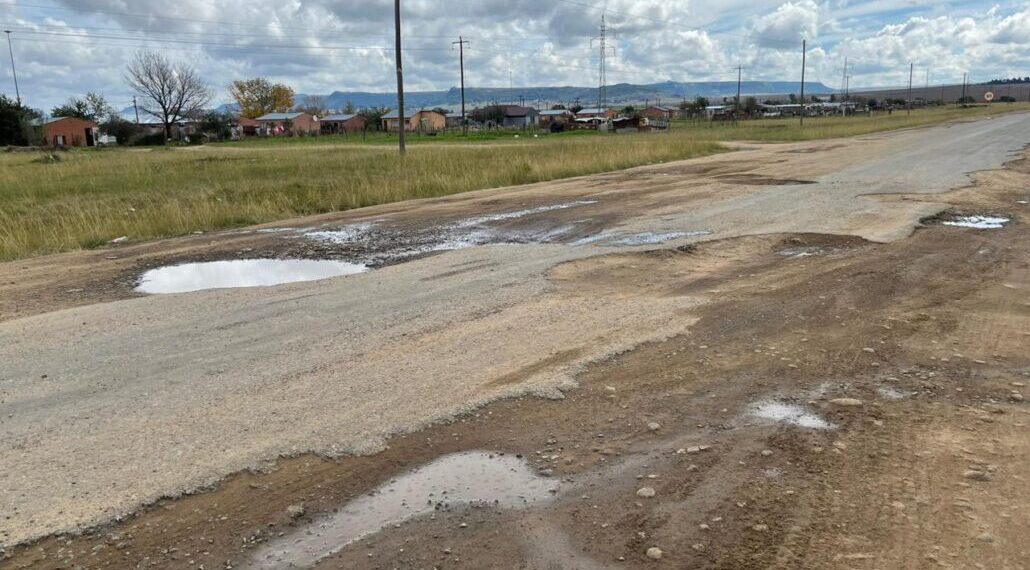
The dire state of municipal roads, non-functional fire stations, water pollution, sewage treatment failures, deteriorating water infrastructure, and unpaid Eskom bills are just some of the major challenges rural communities face due to dysfunctional local government, he added.
Related stories
- ICYMI: Free State’s new hub to boost hemp production
- Extreme rainfall triggers devastating floods, infrastructure loss
- Stock theft: FS farmers running out of options
Drawing a line
Parliament’s announcement follows a damning report by the auditor-general last year, which exposed severe municipal financial mismanagement in the Free State.
The report revealed 16 municipalities with unfunded budgets, over R4.2 billion in unauthorised expenditure, repeated disclaimer audit opinions, and widespread failure to submit financial statements on time.
Led by the chairperson of Cogta, Dr Zweli Mkhize, the initiative brings together three key parliamentary committees. They include Cogta, the Standing Committee on Public Accounts (Scopa), and the Standing Committee on the Auditor-General, in partnership with the Free State Provincial Legislature.
Mkhize stressed the urgency of the intervention.
“We have come here to draw a line in the sand. From this point on, all of us – across local, provincial and national government – are working together to restore proper governance and ensure the public receives the services it deserves.”
Dr Zweli Mkhize
He said, if any funds were misused, those involved must be held accountable. “Internally, they must be taken on, be subjected to disciplinary processes, and if it’s criminal, there must be a proper investigation.”
This marks a shift from past fragmented oversight, often weakened by poor coordination. The new model unites municipalities, MECs, Premiers, and provincial speakers under one oversight system.
“No one will be able to hide behind the separation of powers between different spheres of government,” he warned.
“We must understand that we are one government and have a collective responsibility to govern ethically and manage with discipline our public resources so that services are delivered as expected.”
READ NEXT: Social media and grit fire up Mabaso’s farming hustle
How the new system works
Under this new system, municipalities must give updates every three months on how they are addressing the auditor-general’s findings. The provincial government will review these reports and forward them to parliament.
If a municipality fails to act, there will be consequences – including disciplinary action, removal from office, or even criminal charges.
To strengthen collaboration between national and provincial leaders, the speaker of the national assembly will meet with the speaker of the Free State legislature. A joint parliamentary report will then be published, summarising the findings and outlining the required actions.
READ NEXT: D-day for SA fruit exporters as 30% US tariff hits