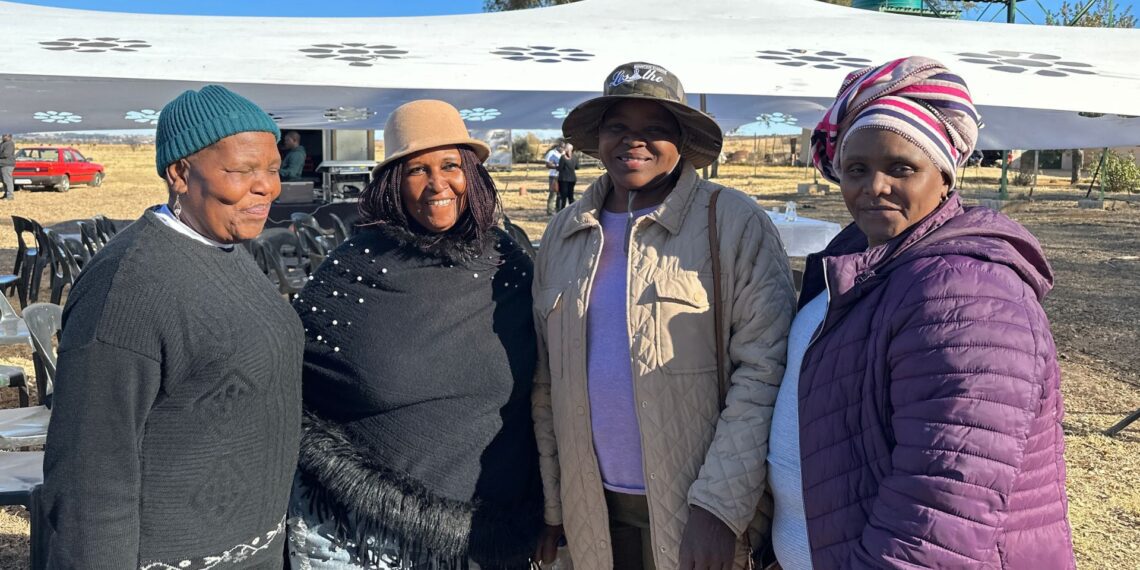
Food For Mzansi’s Gauteng farmers’ day brought together a dynamic mix of agriculturists, ranging from cattle farmers to abattoir operators and fresh market vendors. This vibrant event, held in Vanderbijlpark, served as a powerful platform for sharing insights and advancing agricultural practices.
Baneng Naape, a smallholder farmer from Pretoria West, highlighted the event’s impact, noting the wealth of valuable information and practical knowledge that could transform his farming operations.
“The highlight of the day for me was being surrounded by various farmers at different levels of the value chain,” shared Naape.
“I learnt a lot about the Animal Diseases Act and how it impacts both commercial and subsistence farmers. This information is particularly useful as I am planning to expand my operations to livestock feeding,” he said. “I also learnt about the importance of various standards in relation to packaging and the safe use of agrochemicals.”

Animal health priorities
Meanwhile, MSD veterinarian Dr Princess Moswa-Kato, who kicked off the Food For Mzansi event, emphasised the importance of modernising farming practices and prioritising animal health.
“I hope our young farmers are not farming like our fathers did in the 1980s; they are farming to say this farm will give me money for a livelihood. Work on return on investment,” she said.
“We need to prioritise animal health, and we do tests such as tick-resistant testing to support our products and put you as a farmer at ease.”
Related stories
- Limpopo farmers’ day inspires growth and innovation
- Breeding success: SerDev uplifts farmers at NC farmers’ day

Edith Ramocaedi, a senior technical information officer at the department of agriculture, noted that Regulation 364 of 24 May 2013 prescribes that vegetables shall comply with key elements, which include grading, packing, and marking requirements, and underscores the importance of complying with the country’s vegetable standards.
“Regulations need to be complied with to encourage consumer confidence about food safety and quality and to get market access opportunities with high-profit returns and job creation,” stated Ramocaedi.

Explaining the process of distribution and moving products to markets, Tlou Kabe from the marketing information systems directorate stressed the importance of conducting market research and advised on building long-term relationships with reputable suppliers, staying updated on genetic advancements, and participating in breeding associations and networks.
Thabang Hlabedi, the dynamic young farmer who hosted the Food For Mzansi event, extended his heartfelt gratitude to everyone present and acknowledged the elder farmers in attendance, paying tribute to their dedication and expertise.
“It’s an honour to host this farmers’ day and share our experiences, knowledge, and passion for agriculture. I also want to give a special thanks to our older farmers who are here and have sustained our land for generations.”

He continued, emphasising the importance of blending traditional practices with modern advancements. “We will continue to learn from your ways, respect your contributions, but also recognise the need to adapt and innovate. We will continue learning from your ways and advancing them,” he said.
The fields of Hlabedi’s farm also played host to Lerato Matheka from Seahlolo newspaper and vegetable farmers from Lesotho, who were visiting as part of a vegetable study tour, marking a significant cross-border collaboration in agriculture.

Inspired by the scale of the event and the opportunity to interact with South African farmers, they confirmed that they leave feeling hopeful and motivated, eager to implement newfound knowledge to elevate Lesotho’s vegetable farming sector.
ALSO READ: Beef over veggies: Botswana and Namibia clash with Mzansi
Sign up for Mzansi Today: Your daily take on the news and happenings from the agriculture value chain.