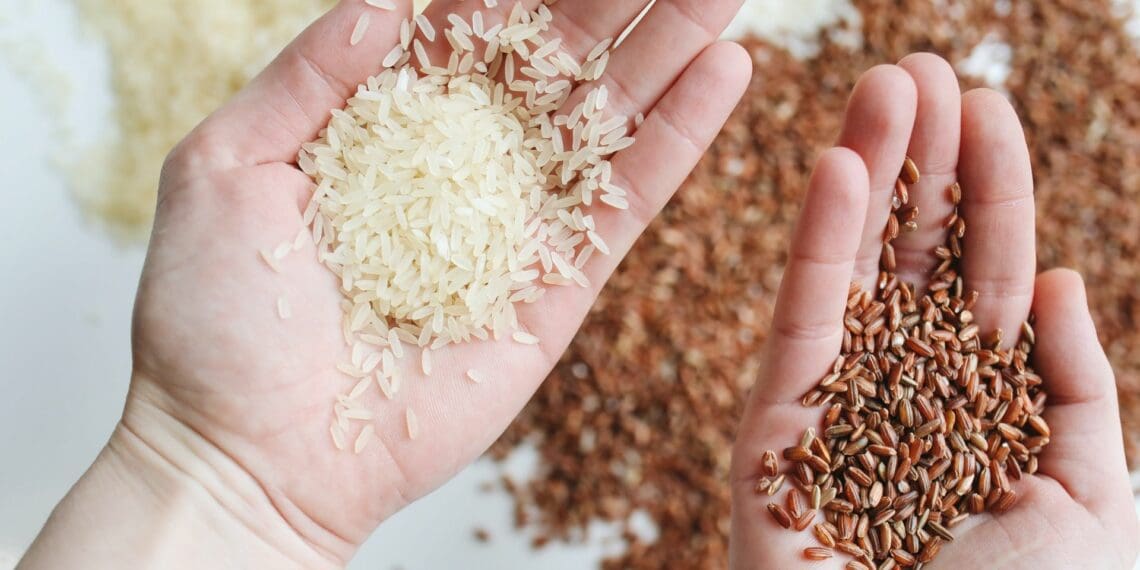
Rice lovers, brace for impact. India, the world’s biggest rice producer and exporter, has banned exports to other countries. This means that the price of rice in South Africa and other African countries will become too pricey for some consumers.
A Directorate General of Foreign Trade notification said yesterday that the Indian government has prohibited the export of non-basmati white rice (semi-milled or wholly milled rice, whether or not polished or glazed).
The ban is with immediate effect and comes at a time when prices have been on the rise in recent weeks.
ALSO READ: Potential rice shortage: India’s export ban could spell disaster for SA
Alternative markets
National Agricultural Marketing Council economist Thabile Nkunjana said South Africa might be forced to seek alternative rice markets.
“While this may be a solution, the difficulty is that importing it will be expensive. This [will have an] indirect effect [on] consumers,” he said.
India said it was imposing the ban after retail prices climbed 3% in a month as late monsoon rains damaged crops. While a late monsoon caused a major shortfall of rain up to mid-June, heavy rains have caused significant damage.
Why will SA be impacted?
India is South Africa’s second major rice supplier. In 2022, South Africa imported around 182 000 tonnes from India, accounting for at least 18% of total imports. Thailand is our biggest supplier with 829 000 tonnes imported in 2022.
In addition, at least 90% of South African imports are par-boiled rice but this is also on India’s chopping block. This means that the majority of South Africa’s imports from India will be affected, Nkunjana explained.
Furthermore, India is the world’s largest exporter accounting for 40% of global rice exports. A ban will almost certainly cause global prices to rise.
“India has too much influence over global rice pricing, and when it restricts exports, other exporting countries are likely to see increased demand. This generally drives up costs for importers throughout the world,” Nkunjana said.
ALSO READ: SA’s guava farmers are fighting a losing battle
Tiger Brands: Global shift in demand
Bigshot food manufacturer and importer Tiger Brands is also concerned. Speaking to Food For Mzansi, Tiger Brands’ corporate communications director, Werna Oberholzer, said rice will become expensive for consumers.
“We could experience a global shift in demand to other rice-producing nations which could impact the price of rice. However, there are many different factors that could influence pricing, including fluctuations in the rand exchange rate,” said Oberholzer.
After maize and wheat, rice is South Africa’s third most important food. This means that the majority of South Africans substitute rice, wheat, and maize products based on price and preference.
With this new development, experts say a significant supply of wheat and maize would go a long way for many South Africans.
ALSO READ: Women’s Day: Join us at our Soul To Soil brunch
Sign up for Mzansi Today: Your daily take on the news and happenings from the agriculture value chain.