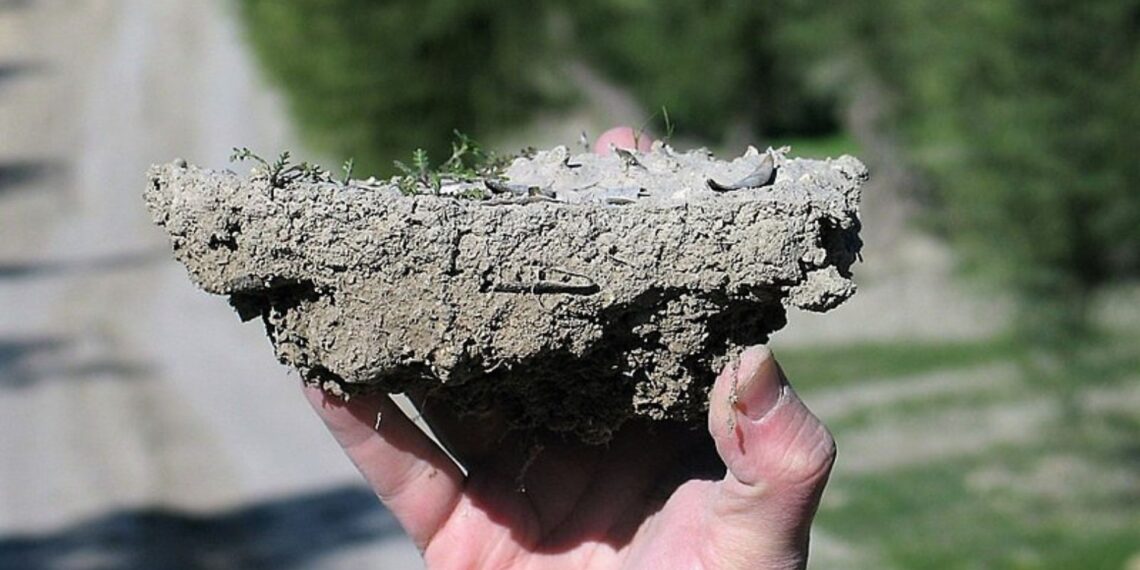
The saying “Take care of your soil, and it will take care of you” emphasises the crucial role that soil microorganisms play in soil aggregation and healthy soil structure. Crop farmers need to keep these tiny workers thriving to boost soil aggregation, improve water retention, and grow better crops.
Dr Buhlebelive Mndzebele, a crop science researcher at the Agricultural Research Council (ARC), unpacks how to do this and shares valuable insights on the importance of soil aggregates as well as microbial communities in maintaining soil health.
Understanding soil aggregates
Soil aggregates are clusters of soil particles – sand, silt, clay, and organic matter – that bind together to form a structured composition. According to Mndzebele, soil aggregation plays a vital role in supporting root growth, enhancing water retention, and optimising nutrient storage.
Without aggregation, individual soil components remain separate, making it difficult for plants to access nutrients effectively. Soil aggregates help in holding essential nutrients such as nitrogen (N), phosphorus (P), and potassium (K), which are often in short supply in South African soils. Moreover, they prevent soil erosion by reducing the movement of soil particles, thereby maintaining the land’s fertility over time.
“Soil aggregation is a fundamental process that supports plant health by ensuring the efficient distribution of nutrients and water. Without aggregation, soil components remain loose, making it difficult for roots to anchor properly and absorb essential nutrients,” he says.
Related stories
- Managing soil acidity to improve crop quality
- Soil moisture insurance: A lifeline for small-scale maize farmers
- Unlocking soil potential: Insights into soil sampling
How soil aggregates help retain water
Water retention is another key function of soil aggregation. Mndzebele explains that water can either be introduced naturally through rainfall or artificially through irrigation. Good soil structure ensures that water is held within the soil long enough for plant roots to absorb it but not so much that it leads to oversaturation.
“Water retention allows crops to have sufficient moisture for growth, but excessive water retention can create anaerobic conditions that harm plant roots,” says Mndzebele. “Striking the right balance is key to preventing both drought stress and waterlogging.”
The role of soil microbes
Soil microbes, often referred to as microbial villages due to their complex interconnected communities of microorganisms, play a fundamental role in forming and stabilising soil aggregates. These microorganisms act as a natural glue that binds soil particles together. They also contribute to the decomposition processes.
“Without microbes, organic matter would not break down effectively, and nutrient availability would be significantly reduced,” says Mndzebele. Additionally, microbes help regulate soil pH, ensuring that the conditions remain suitable for nutrient absorption by plants.
Harmful practices
Despite their benefits, soil microbial populations are often disrupted by common farming practices. Mndzebele highlights several detrimental agricultural activities that degrade soil health:
- Monocropping: “Growing the same crop season after season without rotation can significantly deplete soil nutrients and reduce microbial diversity,” warns Mndzebele.
- Excessive fertiliser use: “Applying too much chemical fertiliser can disrupt soil microbial populations, leading to long-term fertility issues.”
- Over-irrigation: “Too much water can suffocate microbial communities, reducing their ability to break down organic matter.”
- Soil compaction: “Compacted soil restricts air and water movement, which negatively affects microbial activity and soil structure.”
What heavy rainfall does to soil
With South Africa experiencing irregular weather patterns, including heavy rainfall, soil aggregation faces additional challenges. Excessive rain can lead to waterlogging, affecting soil structure and limiting the availability of oxygen to plant roots.
“Rainfall variability is one of the biggest challenges farmers face today,” says Mndzebele. “If the soil is poorly aggregated, heavy rainfall can lead to severe nutrient leaching, reducing crop productivity.”
How to improve soil aggregation
Mndzebele suggests several strategies for enhancing soil aggregation and maintaining healthy microbial populations:
- Increase organic matter: “Leaving crop residues and incorporating organic material into the soil can significantly improve its structure and microbial activity.”
- Minimise soil disturbance: “Reducing tillage helps maintain soil integrity and protects microbial habitats.”
- Crop rotation: “Rotating crops supports microbial diversity and prevents soil nutrient depletion.”
- Intercropping: “Mixing different crops in the same field enhances soil biodiversity and nutrient uptake.”
- Balanced irrigation: “Maintaining optimal moisture levels is crucial for sustaining microbial life and soil structure.”
“Healthy soil leads to a thriving farm, and investing in soil aggregation and microbial communities is a step in the right direction,” says Mndzebele.
READ NEXT: SA wine industry unites for growth, sustainability, and innovation
Sign up for Mzansi Today: Your daily take on the news and happenings from the agriculture value chain.