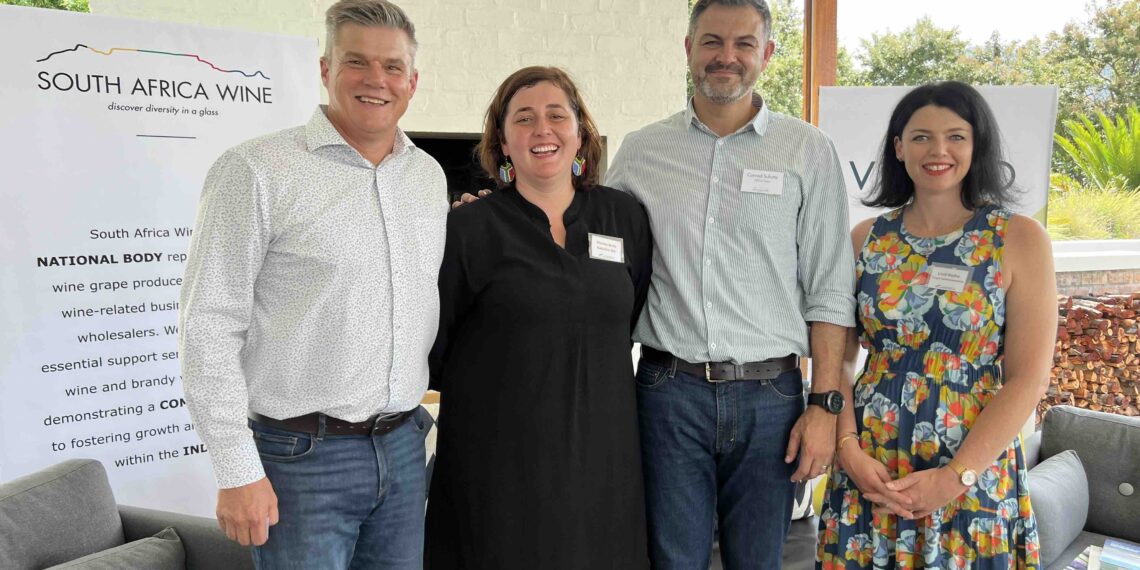
With sustainability, transformation, and global growth in focus, industry leaders gathered at a roundtable hosted by Agricultural Writers SA, South Africa Wine and Vinpro to discuss exciting opportunities shaping the future of the country’s wine industry.
The event, hosted at South Africa Wine and Vinpro’s offices in Paarl, Western Cape on Thursday, 27 February, brought together top executives to discuss the industry’s most pressing challenges and opportunities for growth. Discussions spotlighted key developments, from climate change adaptation to efforts for greater inclusivity and improved global market positioning.
Discussions spotlighted key developments, from climate change adaptation to efforts for greater inclusivity and improved global market positioning.
Rico Basson, CEO of South Africa Wine, opened the discussion by highlighting the structural changes in 2023. The establishment of South Africa Wine, which now represents over 500 wineries, growers, brand owners, and exporters, marks a significant shift in managing the industry.
“For the first time, we have one industry body overseeing all segments of the wine value chain, from production to export. This central strategy aims to unify our industry for greater impact,” Basson said. South Africa Wine is a non-profit organisation instrumental in empowering and advancing the wine and brandy industry value chain through its focused efforts across four key areas: Industry Affairs, Research, Development, and Innovation (RDI), Transformation and People Development and a Consumer and Market focus.
South Africa Wine’s key partners include Wines of South Africa (WoSA), the SA Wine Industry Information and Systems (SAWIS), and the SA Brandy Foundation, demonstrating a holistic approach to the South African wine landscape.
Related stories
- SA wine industry warns against harmful excise tax increase
- Cheers to 366 years of South African winemaking excellence!
Transformation in the wine industry
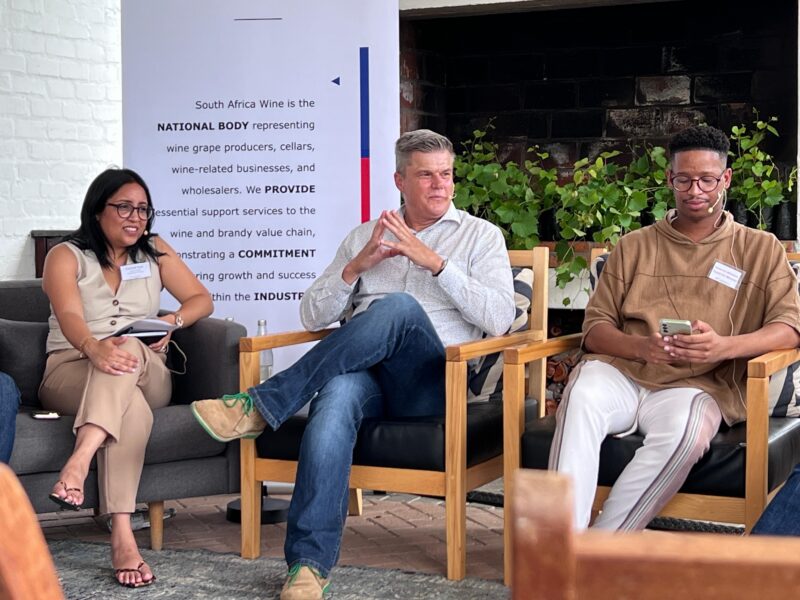
Phil Bowes, manager of the Industry Transformation Advisory at South Africa Wine, elaborated on the ongoing efforts to create a more inclusive and equitable wine sector.
“Our transformation efforts focus not only on enterprise development for new brands and farms but also on socio-economic initiatives that align with global standards such as ESG (environmental, social, governance),” said Bowes. He noted the importance of sustainable, long-term transformation, stating, “We’re moving beyond tick-box approaches and focusing on substantive change across the industry.”
Bowes also touched on the industry’s complex positioning in the global market, noting that the South African wine industry faces both challenges and opportunities as it navigates global perceptions, particularly in markets like the US.
Technical and viticultural challenges
Conrad Schutte, CEO of Vinpro, addressed the pressing technical and viticultural challenges facing the country’s wine producers. He also emphasised producers’ ability to adapt to these challenges and their appetite for adopting new technologies and modern practices. Financial sustainability, he noted, is a major concern, with 2024 production figures indicating a modest return on investment of 2.6%.
“While the financial margins remain thin, we are seeing signs of improvement,” Schutte shared, underscoring the importance of innovation and precision in farming.
Schutte also emphasised the need for continued investment in labour training and new viticultural techniques. “About 38% of vineyard costs are attributed to labour, and proper training ensures that our workforce understands their vital tasks,” he said.
He also pointed to advanced pruning techniques, precision irrigation, and fertigation as some of the key innovations helping producers become more efficient.


Climate challenges and research innovation
Anel Andrag, Research and Development Manager for Viticulture at South Africa Wine, discussed how climate change affects wine production in the country. “Our producers are increasingly facing water scarcity, and research is key to helping them adapt,” she said.
She highlighted the innovative work being done through flagship programmes, such as those at Welgevallen Model Vineyard, where studies on water stress are underway. “We’re testing how much we can reduce water application without compromising yield size and grape quality, using advanced technologies like thermal cameras to monitor water stress,” she shared.
Andrag also highlighted the country’s ongoing research into drought-tolerant vine cultivars, which are crucial for future sustainability. “As a water-scarce country, we must explore breeding new varieties that can withstand these challenges and still produce high-quality wine. Many trials confirm that less water can achieve the same grape tonnage and quality.”
Wine tourism and international promotion
Marisah Nieuwoudt, wine tourism manager at South Africa Wine, discussed the role of tourism in the industry’s growth.
“Wine tourism is an important economic driver for our industry,” she noted, highlighting the increasing global interest in South African wine regions as tourism destinations.
She added that promoting the diversity and heritage of wine-producing areas plays a crucial role in attracting visitors and expanding the international appeal of the country’s wines.
Nieuwoudt also discussed the post-Covid recovery of the wine tourism sector, which had been severely impacted by the pandemic.
“In 2019, wine tourism contributed R7.2 billion to our country’s GDP, and by 2022, that number had increased to R9.3 billion,” she explained. “Wine tourism now represents 17% of the total turnover of the average winery.”
Nieuwoudt attributes this recovery to a renewed focus on personal connection and elevated wine experiences, with wine farms investing in expanding and upgrading their tourism footprints.
A collaborative approach to overcoming challenges
Kachné Ross, people and skills development manager at South Africa Wine, touched on the critical issue of skills shortages within the industry. “We have developed a cloud-based solution to better understand the skills needed across the value chain,” she explained.
The South African Wine Industry Learner Management System allows anyone, from young individuals to industry veterans, to explore career pathways, training opportunities, and mentorships. “This system provides business intelligence on training needs, helping us tackle the skills shortage and enhance industry growth,” Ross said.
She also mentioned collaborations with tertiary institutions, recruitment agencies, and independent training service providers to address the skills gap. “We believe that it is not only the responsibility of the industry but also individual businesses to take ownership of development to ensure we don’t face a future skills crisis.”
Optimism for the future
Maryna Calow, Communications Manager at Wines of South Africa (WoSA), highlighted the collective efforts required to promote South African wine globally.
“It’s essential that we work together as an industry to ensure that the world has the right perception of the value of South African wine,” she remarked. WoSA continues to lead the charge in international marketing efforts passionately, ensuring South African wines stand out in a crowded global marketplace.
Marike Brits, chairperson of Agricultural Writers SA’s!Xhariep region described South Africa Wine and Vinpro’s dedication and future-focused approach as truly inspiring. She said their commitment to sustainability, inclusivity, and market expansion is laying a strong foundation for the industry’s growth.
“It’s incredible to see how they are not just preserving the legacy of South African wine but also actively shaping its future,” she said. Brits added that the efforts of South Africa and Vinpro are instilling confidence among industry stakeholders and ensuring long-term success for the sector.
Despite the challenges facing South Africa’s wine industry, industry leaders are optimistic that with innovation, transformation, and sustainability at the forefront, the country’s wine sector will continue to thrive. Basson aptly said, “By focusing on the right strategies and working together, we can ensure a sustainable, prosperous future for South Africa’s wine industry.”
READ NEXT: SA wine industry warn against harmful excise tax increase
Sign up for Mzansi Today: Your daily take on the news and happenings from the agriculture value chain.