“Hemp is often spoken of as a single entity, but in reality, it encompasses a variety of products, each with distinct requirements, processing methods, and markets,” Bam explains. This complexity means farmers must prioritise which segments of hemp to focus on, particularly in South Africa, where natural, regulatory, and fiscal constraints apply.
Segmentation helps clarify the landscape. Bam highlights the 5F framework, adapted from the Canadian Hemp Trade Alliance: farming, food, fibres, fractions, and flowers. This categorisation allows farmers to consider the specific end uses of hemp products, helping them make informed decisions about what to grow and how to process it.
Related stories
- SA hemp industry calls for urgent policy reform to unlock jobs
- Visionary KZN farmer turns sugarcane fields into hemp future
- Why hemp could be the next big thing for local producers
- Indigenous crops: The climate-smart superfoods we need
Regulatory environment for hemp in South Africa
Before exploring the hemp value chain, it is important to understand the regulatory framework. Although hemp and cannabis come from the same plant species, South African law differentiates them based on tetrahydrocannabinol (THC) content: hemp contains less than 2% THC, while plants above this threshold are classified as cannabis.
Bam emphasises a “demand-driven, vertically coordinated” approach to hemp. This means understanding the end product first, then working backwards through the value chain to align cultivation, processing, and marketing.
Seed development
Seed is the foundation of hemp farming. “Cultivars are developed for specific purposes (grain, fibre, or flower) and these determine everything downstream,” Bam notes.
South Africa currently relies heavily on imported seeds. Bam explains that there are only two locally bred varieties available from the Agricultural Research Council (ARC). Importantly, seed development is costly and time-intensive, requiring protection and registration to commercialise successfully.
Certification and quality assurance
Quality assurance is essential when multiplying seeds for farming. South Africa has a certification scheme managed by Sansor, though enforcement and adoption remain limited.
Proper certification ensures seeds meet standards for performance and legal compliance, which is particularly crucial for farmers entering the sector.
Cultivation considerations
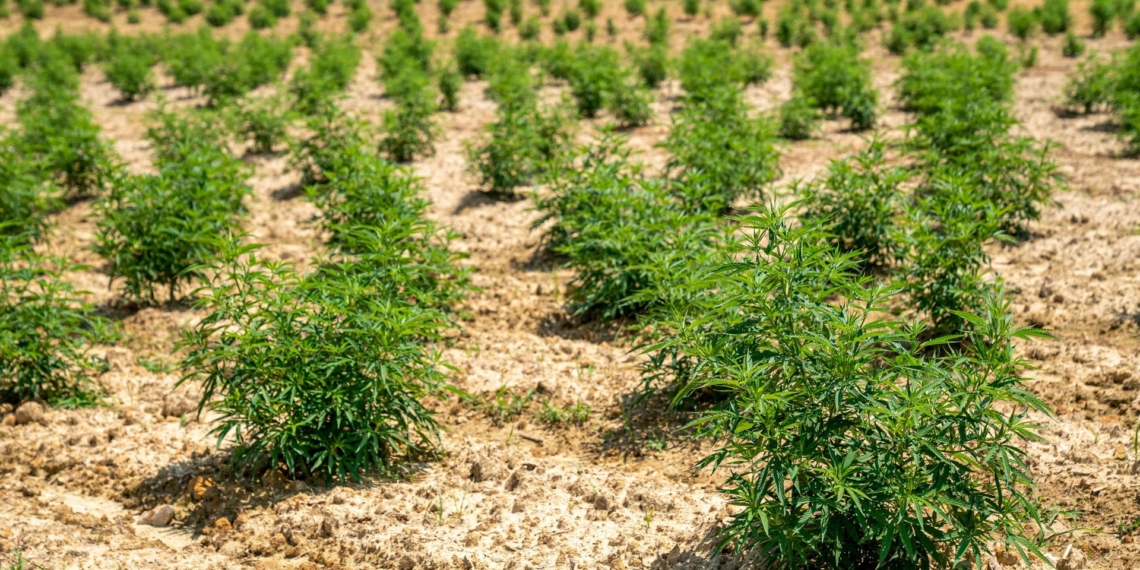
Hemp’s adaptability also matters. Trials suggest the most suitable regions in South Africa include KwaZulu-Natal, the Western Cape, and the Eastern Cape, though success depends on the chosen genetics and local agroclimatic conditions.
Harvesting and processing
Different parts of the hemp plant yield distinct products:
- Grain/seed – This is considered a so-called “superfood”, making up about 10–15% of total biomass. It is harvested, threshed, cleaned, and stored similarly to maize or soy.
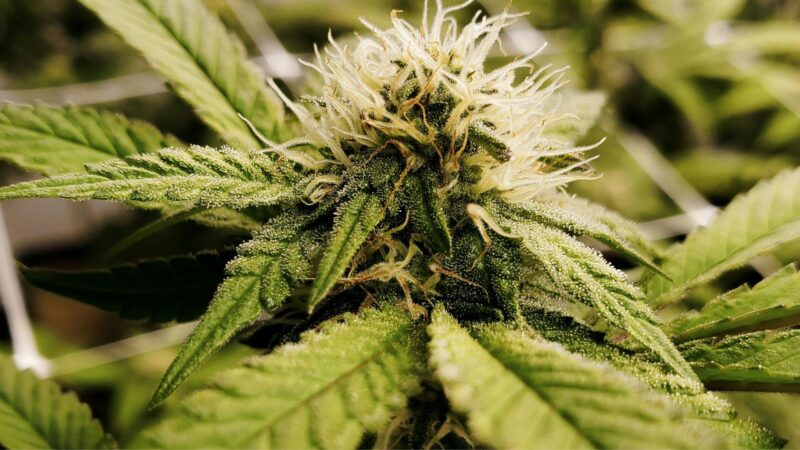
- Inflorescences/flowers – Carefully trimmed, dried, and cured in a process similar to tobacco, these are used for oils or medicinal extracts regulated under the Medicines and Related Substances Act.
- Straw/stalk – Usually dried and left to undergo enzymatic decomposition (retting), this part of the plant is primarily used for fibre and various industrial applications.
Processing then creates primary products, which are the raw materials for downstream manufacturing. “You can’t sell a T-shirt without processing fibre from the stalk first,” Bam clarifies, highlighting the need for coordination between cultivation and industrial value addition.
- Define your segment: Use the 5F framework to determine whether your focus will be on grain, fibre, flowers, or other fractions.
- Understand genetics: Choose seeds that suit your climate and intended end-use; consider both local and imported varieties.
- Plan for processing: Ensure access to processing facilities for your chosen plant parts.
- Stay informed on regulations: Permits and legal compliance are crucial.
- Build market relationships: Successful hemp farming is linked closely to reliable demand and supply chain coordination.
READ NEXT: Discipline and dirt define Meshack Ndongeni’s farming success