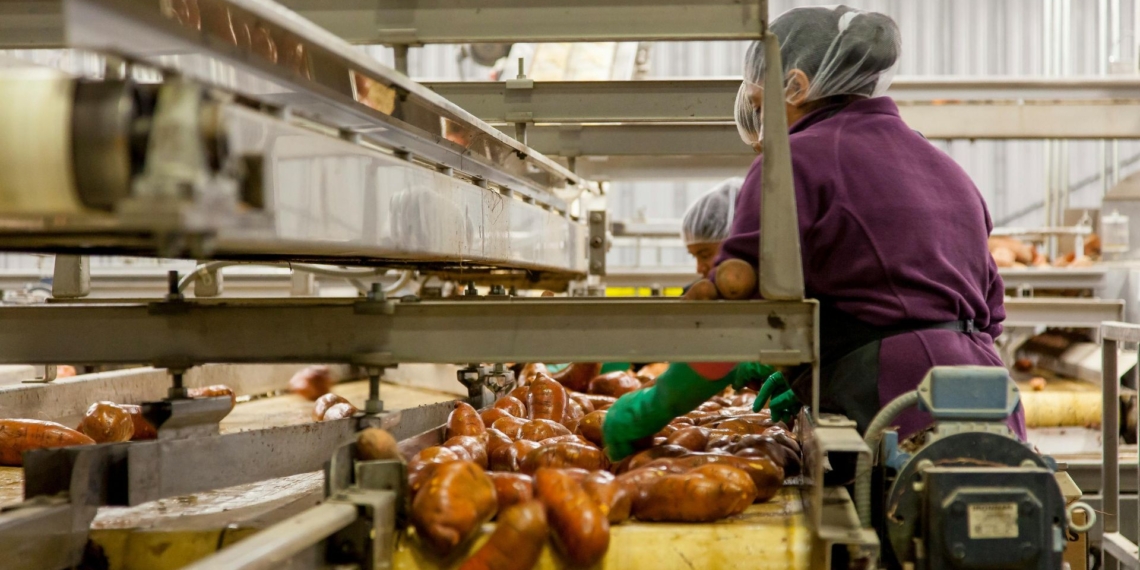
Agro-processing is increasingly recognised as a practical strategy for farmers to diversify income, add value to raw produce, and enhance business resilience. For rural South African farmers, where market access is limited and commodity prices fluctuate, processing their own produce provides a way to move beyond raw sales and engage more meaningfully in the food value chain.
Martin Boima, founder and director of Martin’s Nature Care, is a mixed-enterprise farmer who has successfully transitioned into formal agro-processing, offering valuable, practical insights for those considering this path.
According to the Industrial Development Corporation (IDC), small-scale farmers hold significant untapped potential in agro-processing, and fostering stronger links between farmers and processors could unlock this opportunity.
Food safety
Experts emphasise that managing the entire value chain, from sourcing raw materials to processing, packaging, and marketing, can help farmers capture more value and reduce exposure to fluctuating farm-gate prices. Food safety is central to this process.
Related stories
- Agro-industrial parks to unlock Africa’s processing potential
- Gauteng launches R100 million agro-processing fund
- Spice up agro-processing and turn chillies into profit
- Building a goat milk brand: The rise of Asante Saanen
Boima recommends five core food safety priorities:
Packaging: “Packaging is your first line of protection,” Boima says. It must suit the product, protect against contamination, and support shelf life.
Product testing: Every processed product should undergo microbiological testing, nutritional analysis, and shelf-life testing to ensure safety, compliance, and accurate labelling.
Processing space: Products should not be made in uncontrolled home environments. A dedicated, secure processing area is essential for hygiene and traceability. Boima notes, “You need your own controlled space, where not everyone can come in and out without authorisation.”
Appropriate equipment: Food-contact surfaces should ideally be stainless steel, as this is easier to clean and less likely to harbour bacteria.
Transport and handling: Delivery vehicles and storage must maintain product hygiene and integrity from the processing facility to the point of sale.
The Foodstuffs, Cosmetics and Disinfectants Act of 1972 provides regulations on food labelling and advertising in South Africa, focusing on safe and accurate presentation to consumers.
Why testing matters
Testing protects both consumers and agro-processors. Microbiological tests confirm that ingredient combinations are safe, while nutritional analysis allows consumers to make informed dietary choices.
“When you mix ingredients, you cannot assume they are safe together. The lab must confirm that what you have produced is edible and safe,” says Boima. Testing also informs shelf-life decisions and identifies whether preservatives or processing adjustments are necessary.
South African agro-processors can access testing through the South African Bureau of Standards (SABS) and accredited university laboratories.
Labelling essentials
Once testing is complete, product labels must reflect compliance. At a minimum, this should include:
- Full ingredient list
- Nutritional information
- Allergen declarations
- Manufacturing and expiry dates
- Batch number
- Barcode
Boima stresses the importance of batch numbers as a risk-management tool. “If there is ever a problem, the batch number allows you to trace exactly which products must be recalled, rather than withdrawing everything.”
Traceability is crucial in formal retail markets to protect both consumers and the brand.
Establishing shelf life
Shelf life should be determined through controlled laboratory testing or structured in-house trials. “You produce multiple samples and test them over time to see when quality starts to decline. This cannot be guessed; it must be proven,” Boima advises.
Laboratories can recommend approved preservatives or process adjustments to improve product stability.

The cost of cutting corners
Skipping testing, labelling, or hygiene standards can have serious consequences. Non-compliant products cannot enter formal markets, consumers will not trust them, and regulators may intervene. Retailers require full compliance, and informal markets offer limited growth potential.
“Without meeting standards, you remain stuck in survival mode – you cannot scale,” warns Boima.
Starting small and scaling gradually
First-time agro-processors often face challenges, such as limited capital and access to equipment. Boima recommends starting small and upgrading over time. Early missteps, such as processing at home, using unsuitable packaging, or lacking proper certification, are common, but persistence, research, and mentorship can help farmers progress.
Key lessons for beginners include:
- Start with small-scale equipment and upgrade gradually.
- Maintain hygiene and control contamination, even with limited resources.
- Register the business early and work towards compliance step by step.
- Seek guidance from universities, extension services, and incubators.
- Explore public funding opportunities rather than giving away equity too soon.
Government and development support can be critical. Assistance from the National Youth Development Agency (NYDA), Small Enterprise Development Agency (SEDA), and department of agriculture incubation programmes can help first-time agro-processors.
“Testing alone can cost more than R50 000 per product. Without support, many farmers lose control of their ideas to investors. Patience helped me keep 100% ownership of my business,” Boima says.
READ NEXT: Strong biosecurity, vaccination urged as FMD threatens exports