Access to reliable, high-quality seeds is critical for boosting crop yields and supporting small-scale farmers across South Africa. While formal seed systems offer certified varieties, many farmers still rely on informal networks to meet local needs.
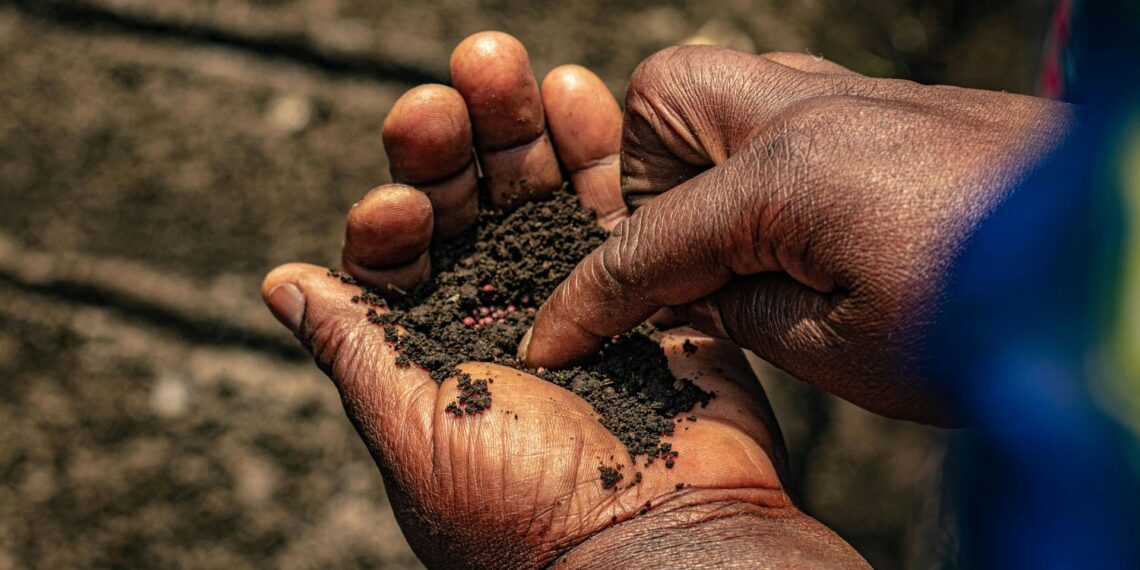
For Limpopo crop farmer Muelelwa Mashau, seeds are essential for her vegetable production, especially for spinach and butternut. She plants these crops directly from seed to soil, while for other vegetables, such as cabbage and green pepper, she prefers to use seedlings purchased from local nurseries.
Mashau highlighted the affordability and quality of certain seed varieties, saying, “For spinach, I normally buy one kilogram of seed for around R280. It’s affordable because with just one kilogram, I can do three productions, which gives good returns.”
She stressed the importance of sourcing seeds from reputable formal markets, noting that they provide reliable quality compared with informal sources, which she has not used.
While germination rates are not always perfect, reaching around 90%, her main challenges in achieving good yields are more related to how crops are managed after planting rather than the seeds themselves.
Related stories
- Seed technology: How innovation drives higher yields & success
- Maize: Choosing the right varieties for local conditions
- New Plant Improvement Act to boost SA crop quality
- Seed libraries, food gardens empower Cape communities
However, access to quality seeds remains a major challenge. The Competition Commission’s Fresh Produce Market Inquiry confirmed that fertiliser, seeds and agrochemicals are among the highest costs for smallholder farmers, and the local seed market is highly concentrated with just a few large companies, creating dependence on imported proprietary seeds and higher costs for farmers.
Seed systems in South Africa
According to Sithembile Mwamakamba, director of policy research and analysis at FANRPAN, South Africa’s seed systems are central to boosting agricultural productivity, food security, and economic growth.
“Despite a strong agricultural framework, significant challenges persist in making seed systems inclusive and accessible, particularly for smallholder farmers in rural and underserved regions,” she said.
The report compiled by FANRPAN calls for updating seed legislation to better support smallholder and communal farmers, including recognising informal seed systems, while also promoting agro-biodiversity through community-based seed banks and seed exchange programmes.
It highlights the need to simplify certification processes to reduce costs and improve access to high-quality seeds, and to promote public-private partnerships that strengthen seed distribution networks in rural areas. Additionally, the report recommends enhancing extension services to provide technical support on sustainable practices and seed management.
“By implementing these recommendations, South Africa can foster a more inclusive and resilient seed system that empowers smallholder farmers and enhances agricultural sustainability,” the FANRPAN report stated.
Formal vs informal seed systems
According to the report, South African farmers rely on both formal and informal seed systems. The formal system provides certified seeds developed through breeding programmes and distributed by registered seed companies, mainly serving commercial agriculture. However, high costs and limited access often leave smallholders underserved.
The informal system relies on traditional seed-saving and exchange practices, supporting smallholders with locally adapted varieties and preserving agro-biodiversity. In some African countries, up to 80% of smallholders source seeds through informal networks.
An alternative, the Quality Declared Seed (QDS) system, offers basic quality assurance without the full costs of formal certification, bridging gaps between formal and informal channels.
The South African National Seed Organisation (Sansor) highlighted several challenges affecting seed production and access. Climate change, including droughts and heatwaves, is reducing both seed yield and quality, while intellectual property issues, such as unlicensed seed cleaning and sales, pose further complications.
Additional hurdles include phytosanitary certification requirements for exporting seeds, which continue to impact supply chains. These challenges highlight the importance of supporting smallholder farmers with accessible, high-quality seeds and resilient seed systems.
READ NEXT: Sona 2026: Illicit trade and tariffs push farmers to breaking point