Thursday, July 16, 2026
SUBSCRIBE
22 GLOBAL MEDIA AWARDS
Food For Mzansi
  • News
  • Changemakers
  • Lifestyle
  • Farmer’s Inside Track
  • Food for Thought
No Result
View All Result
  • News
  • Changemakers
  • Lifestyle
  • Farmer’s Inside Track
  • Food for Thought
No Result
View All Result
Food For Mzansi
No Result
View All Result
in News

High-quality seeds, high stakes for smallholder farmers

Access to reliable, high-quality seeds is vital for South Africa’s small-scale farmers. Yet, challenges remain: limited access, high costs, and concentrated markets make it difficult for smallholders to secure quality seeds essential for sustainable production

by Patricia Tembo
16th February 2026
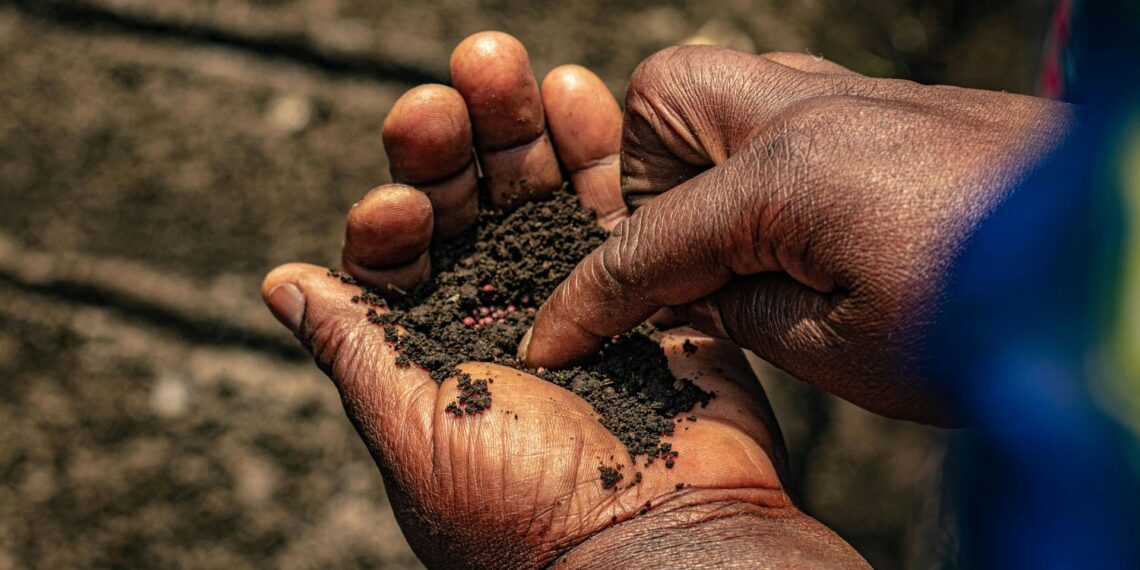
South Africa’s seed landscape is at a crossroads. While formal systems offer high yields, informal networks preserve vital biodiversity. Photo: Pexels

South Africa’s seed landscape is at a crossroads. While formal systems offer high yields, informal networks preserve vital biodiversity. Photo: Pexels

Share on FacebookShare on TwitterShare on WhatsApp

Access to reliable, high-quality seeds is critical for boosting crop yields and supporting small-scale farmers across South Africa. While formal seed systems offer certified varieties, many farmers still rely on informal networks to meet local needs.

For Limpopo crop farmer Muelelwa Mashau, seeds are essential for her vegetable production, especially for spinach and butternut. She plants these crops directly from seed to soil, while for other vegetables, such as cabbage and green pepper, she prefers to use seedlings purchased from local nurseries.

Mashau highlighted the affordability and quality of certain seed varieties, saying, “For spinach, I normally buy one kilogram of seed for around R280. It’s affordable because with just one kilogram, I can do three productions, which gives good returns.”

She stressed the importance of sourcing seeds from reputable formal markets, noting that they provide reliable quality compared with informal sources, which she has not used.

While germination rates are not always perfect, reaching around 90%, her main challenges in achieving good yields are more related to how crops are managed after planting rather than the seeds themselves.


Related stories
  • Seed technology: How innovation drives higher yields & success
  • Maize: Choosing the right varieties for local conditions
  • New Plant Improvement Act to boost SA crop quality
  • Seed libraries, food gardens empower Cape communities

However, access to quality seeds remains a major challenge. The Competition Commission’s Fresh Produce Market Inquiry confirmed that fertiliser, seeds and agrochemicals are among the highest costs for smallholder farmers, and the local seed market is highly concentrated with just a few large companies, creating dependence on imported proprietary seeds and higher costs for farmers.

Seed systems in South Africa

According to Sithembile Mwamakamba, director of policy research and analysis at FANRPAN, South Africa’s seed systems are central to boosting agricultural productivity, food security, and economic growth.

“Despite a strong agricultural framework, significant challenges persist in making seed systems inclusive and accessible, particularly for smallholder farmers in rural and underserved regions,” she said.

The report compiled by FANRPAN calls for updating seed legislation to better support smallholder and communal farmers, including recognising informal seed systems, while also promoting agro-biodiversity through community-based seed banks and seed exchange programmes.

It highlights the need to simplify certification processes to reduce costs and improve access to high-quality seeds, and to promote public-private partnerships that strengthen seed distribution networks in rural areas. Additionally, the report recommends enhancing extension services to provide technical support on sustainable practices and seed management.

“By implementing these recommendations, South Africa can foster a more inclusive and resilient seed system that empowers smallholder farmers and enhances agricultural sustainability,” the FANRPAN report stated.

Formal vs informal seed systems

According to the report, South African farmers rely on both formal and informal seed systems. The formal system provides certified seeds developed through breeding programmes and distributed by registered seed companies, mainly serving commercial agriculture. However, high costs and limited access often leave smallholders underserved.

The informal system relies on traditional seed-saving and exchange practices, supporting smallholders with locally adapted varieties and preserving agro-biodiversity. In some African countries, up to 80% of smallholders source seeds through informal networks.

An alternative, the Quality Declared Seed (QDS) system, offers basic quality assurance without the full costs of formal certification, bridging gaps between formal and informal channels.

The South African National Seed Organisation (Sansor) highlighted several challenges affecting seed production and access. Climate change, including droughts and heatwaves, is reducing both seed yield and quality, while intellectual property issues, such as unlicensed seed cleaning and sales, pose further complications.

Additional hurdles include phytosanitary certification requirements for exporting seeds, which continue to impact supply chains. These challenges highlight the importance of supporting smallholder farmers with accessible, high-quality seeds and resilient seed systems.

READ NEXT: Sona 2026: Illicit trade and tariffs push farmers to breaking point

Sign-up for the latest agricultural news delivered straight to your inbox every day with Mzansi Today!

Patricia Tembo

Patricia Tembo is motivated by her passion for sustainable agriculture. Registered with the South African Council for Natural Scientific Professions (SACNASP), she uses her academic background in agriculture to provide credibility and technical depth to her journalism. When not in immersed in the world of agriculture, she is engaged in outdoor activities and her creative pursuits.

Tags: Commercialising farmerCrop farmingInform meSeedsSouth African National Seed Organisation (SANSOR)
Rooibos industry targets global growth while protecting local roots
News

Rooibos industry targets global growth while protecting local roots

by Staff Reporter
14th July 2026

With China lifting tariffs on South African exports, the rooibos industry is poised for global expansion. Industry leaders are ramping...

Read moreDetails
KZN declares FMD disaster as SA launches local vaccine

Traceability key as SA opens up FMD vaccine markets

13th July 2026
Maria Makhabane, chief growth officer at Discovery Health. Photo: Supplied/Food For Mzansi

Flexicare helps farms grow through healthier teams

13th July 2026
Feathered Fields: Young farmer defies odds with poultry production

Feathered Fields: Young farmer defies odds with poultry production

13th July 2026
High equipment costs and rising economic uncertainties have driven a nearly 15% drop in South African tractor sales. Photo: Stefan Thiesen/Wikimedia Commons

Farmers turn to second-hand machinery as new sales stall

13th July 2026

Shoprite grows food security with 300th community garden

Traceability key as SA opens up FMD vaccine markets

Recipe: Chef Zanele’s potato salad gets a bold spice-inspired twist

How Voermol drives Mbatha’s weaning and finishing success

Weekly stock theft reports pile pressure on farmers

Join Food For Mzansi's WhatsApp channel for the latest updates!

JOIN NOW!
Next Post
Cane to craft: Brad O’Neil blends legacy and innovation in sugar

Cane to craft: Brad O’Neil blends legacy and innovation in sugar

THE NEW FACE OF SOUTH AFRICAN AGRICULTURE

With 21 global awards in the first six years of its existence, Food For Mzansi is much more than an agriculture publication. It is a movement, unashamedly saluting the unsung heroes of South African agriculture. We believe in the power of agriculture to promote nation building and social cohesion by telling stories that are often overlooked by broader society.

How this KZN agricultural advisor is bringing tech to rural fields

Weekly stock theft reports pile pressure on farmers

Grain SA defends farmers against blame for rising food prices

Dune spinach: A climate-hardy green transforming coastal farming

The Karoo’s quiet lesson on trust and truth

Unused KZN school transformed into a thriving 16-hectare farm

  • Awards & Global Impact
  • Our Story
  • Contact Us
  • Cookie Policy
  • Privacy Policy
  • Copyright

Contact us
Office: +27 21 879 1824
News: info@foodformzansi.co.za
Advertising: sales@foodformzansi.co.za

Contact us
Office: +27 21 879 1824
News: info@foodformzansi.co.za
Advertising: sales@foodformzansi.co.za

  • Awards & Global Impact
  • Our Story
  • Contact Us
  • Cookie Policy
  • Privacy Policy
  • Copyright

Chat Options

I'm Lerato, your AI assistant!
No Result
View All Result
  • News
  • Changemakers
  • Lifestyle
  • Farmer’s Inside Track
  • Food for Thought

Copyright © 2024 Food for Mzansi

This website uses cookies. By continuing to use this website you are giving consent to cookies being used. Visit our Privacy and Cookie Policy.