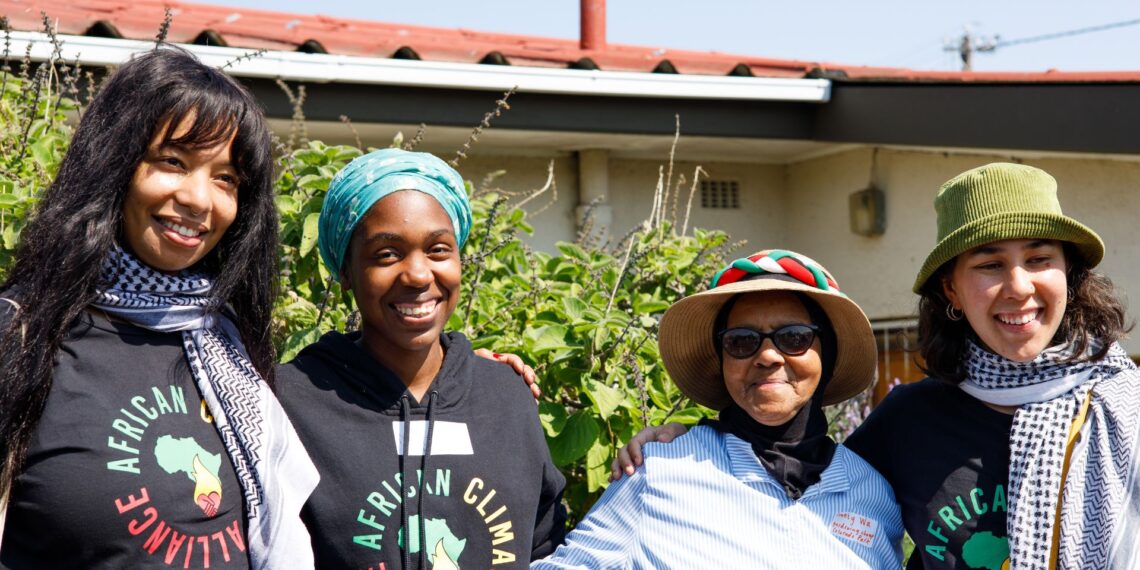
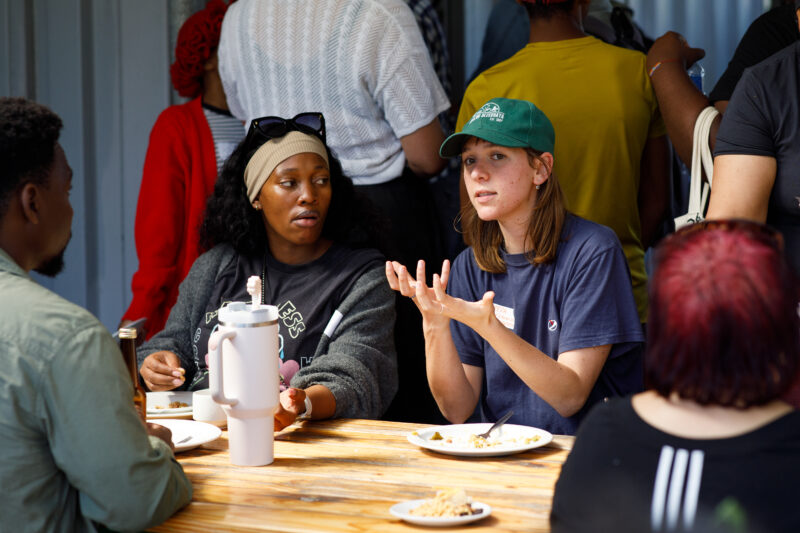
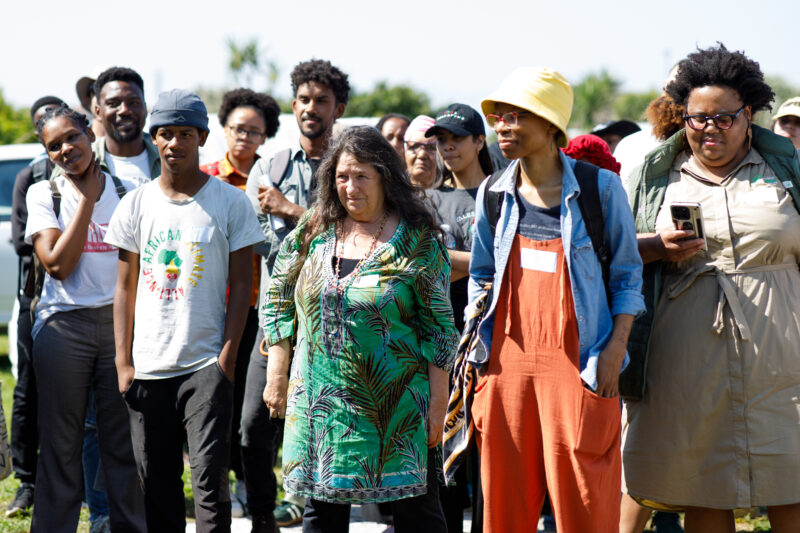
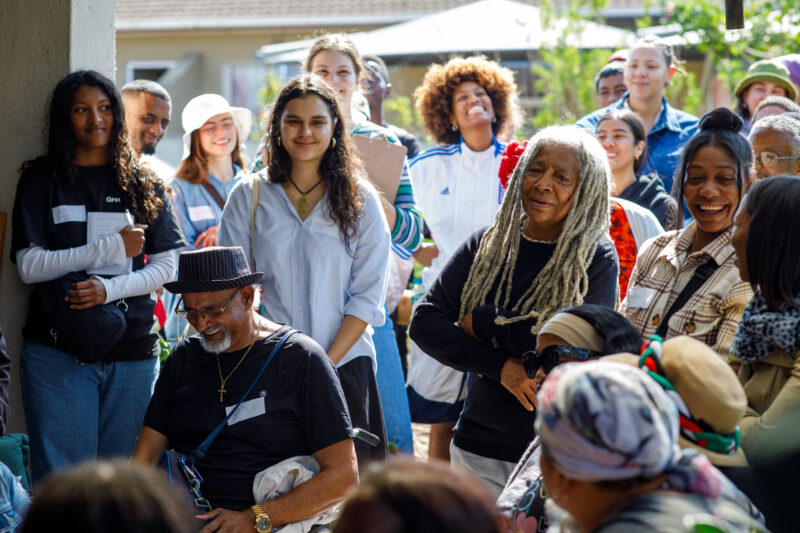
During Cape Town Climate Week, organised by the African Climate Alliance, role players and NGOs explored how climate justice is linked to human rights such as food, water, energy, spatial justice, and gender equity.
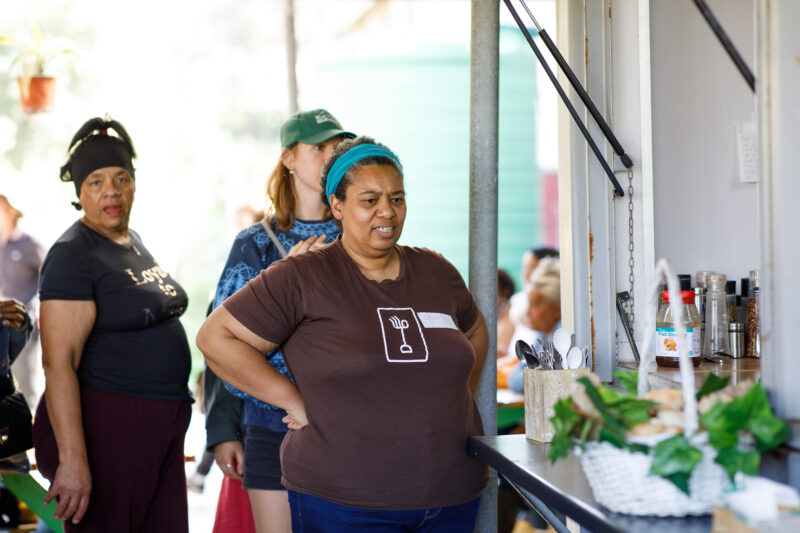
The day brought together different groups, including School’s Environmental Education and Development (Seed) in Mitchells Plain, the Queer Food Growing Collective in Elsies River, and Feed the Future, also based in Elsies River. Discussions centred on climate-resilient crops, water issues, and how climate change directly impacts these rights.
Feed the Future’s aim is to fight hunger and build resilience by growing food sustainably, empowering communities, and protecting the environment, said founder and director Geronimo de Klerk from Elsies River.
He said food and climate are deeply connected – climate change affects how we grow food, and food systems impact the climate.
“We tell these stories to show the lived reality of our communities and to inspire action, because real solutions can and do grow from the ground up,” De Klerk said.

“To combat this, we need fair access to resources like land, water, and support for local food production, alongside empowering people to claim their rights.”
He explained that people, directly and indirectly, are affected by poverty, and food gardens matter because they give communities dignity, hope, and access to healthy food while teaching skills to both young and old.
“Food is a human right, but too many families go hungry because of inequality, not scarcity,” he said.
Related stories
- Climate change threatens half of SA’s food production
- Trees: More than shade – a climate change ally
- Land Bank back on track, boosting support for farmers
- Livestock markets: Resilient amid disease and trade shocks
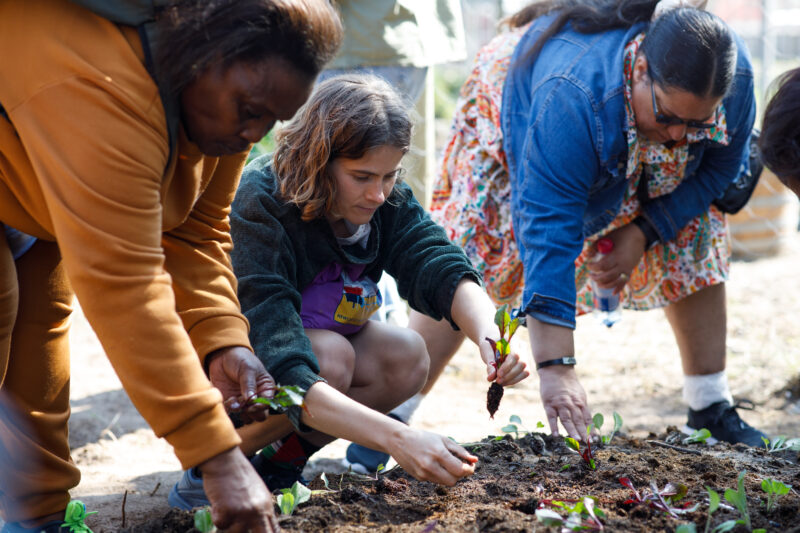
Importance of the seed library
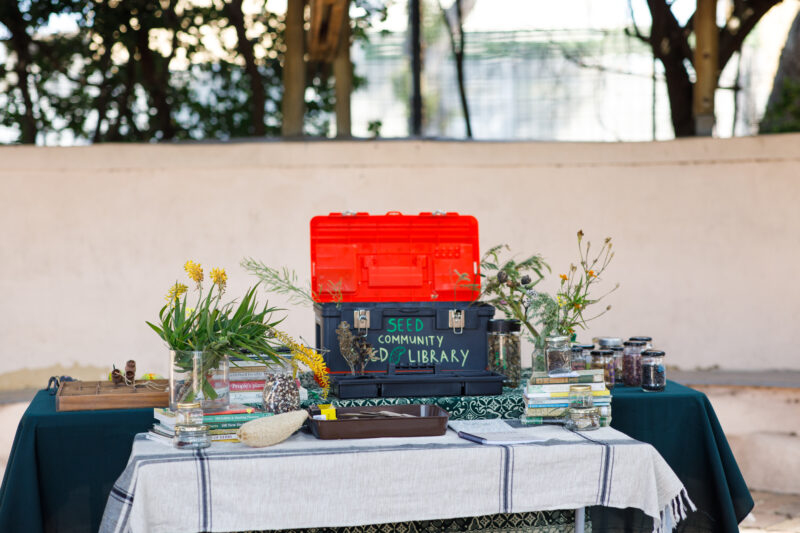
The climate tour included a stop in Mitchells Plain, where participants visited a seed library. Aghmad Gamieldien from Mzansi Organics, in partnership with School’s Environmental Education and Development (Seed), explained that a seed library is a living, breathing collection of seeds grown and shared by the community.
“Think of it like a traditional library, but for seeds. Community members can ‘borrow’ seeds to grow their own food, and then they are encouraged to return some of the seeds from their harvest, replenishing the library for others,” Gamieldien said.
Unlike a seed bank, which stores seeds for centuries, a seed library is active and participatory. “It’s not just about preserving seeds; it’s about growing them, adapting them to our local climate, sharing them, and collecting the stories that travel with each seed,” he said.
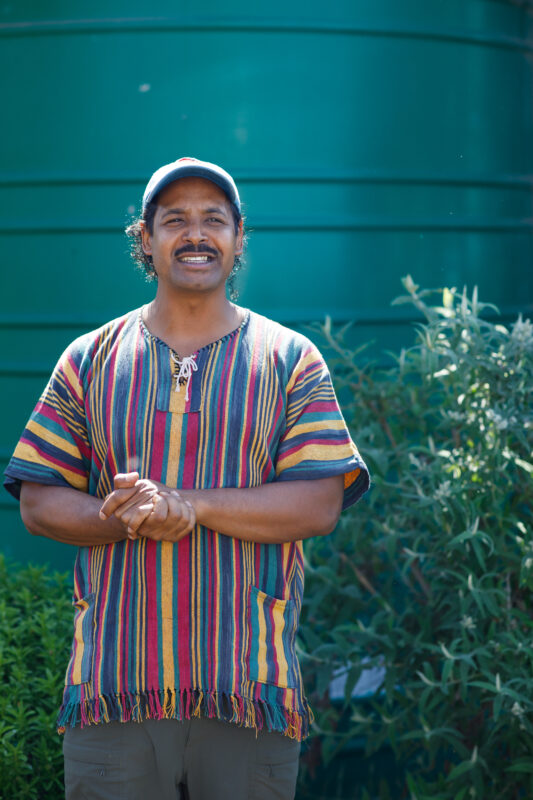
Founded by Zayaan Khan, the seed library was launched in 2023 and continues to put the means to grow food directly into people’s hands.
“The bigger goal is systemic change. We’re working towards true food sovereignty, where communities have ownership over their seeds and therefore control over their food systems.”
Gamieldien added that as the climate changes, locally saved seeds show more resilience.
“We need a movement of active citizens. The solution isn’t just in grand technological fixes, but in millions of small, collective acts of care and ownership.”
Planting, saving, and sharing seeds, he said, are powerful acts of hope, resilience, and sovereignty.
Healing the land
According to Melissa Britz, co-founder of the Queer Food Growing Collective in Elsies River, intergenerational knowledge sharing is vital in shaping how we see the world and make sense of our surroundings, such as the food we eat, how it is grown, distributed, and consumed.
She said the current system is too far removed from people’s daily lived experiences.
“This is related to how you connect with the environment, even with diversity, soil bacteria, animals, plants – and that is a knowledge of lived experience.”
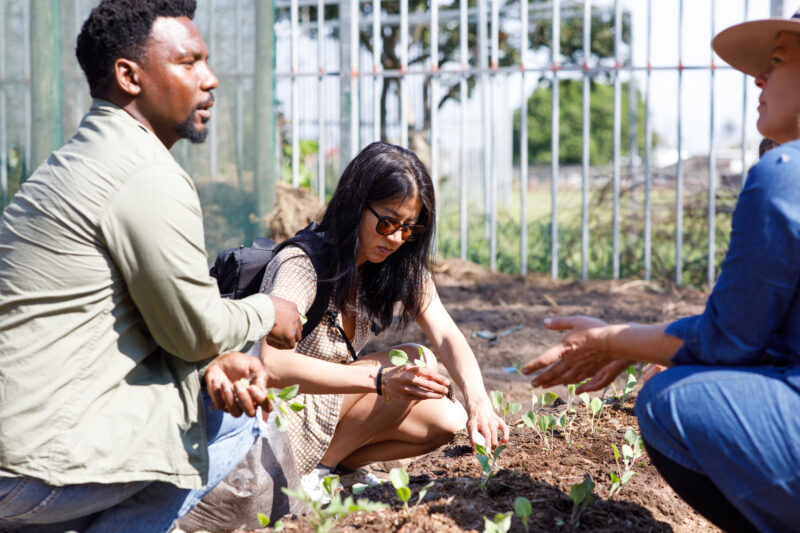
Britz added that when planting, it is important to include varieties that serve different functions. Some plants are medicinal, others support pollination, while some are used in spiritual practices, such as blue mountain sage and impepho.
“The climate change we are facing does not only affect humans, but also animals, plants, soil, and water around us.”
She emphasised that environmental health and maintenance are part of your surroundings and can be supported through sustainable agricultural practices.
Melissa Britz
“When you grow food, you take so much from the soil, so it is important that you also feed the soil, earthworms, and all the other important life forms present there.”
Britz also noted that the worsening climate crisis is linked to the continued use of fossil fuels, making it crucial to farm in ways that are kind to both the earth and people. She warned against the use of harmful pesticides, which especially impact farmworkers.
How climate change deepens inequality
In research conducted by the African Climate Alliance, led by their research coordinator Samantha Muller, climate change was found to amplify existing spatial, housing, and land injustices by increasing the vulnerability of marginalised communities to climate-induced disasters.
Muller said many people, due to historical inequalities, live in areas prone to flooding, mudslides, and extreme weather events. “Poor housing conditions, such as inadequate building materials and overcrowded informal settlements, make these communities more susceptible to climate impacts, including fires, flooding, and heatwaves.
“These disasters not only displace people but also destroy their homes, further deepening housing inequality, as many lack secure tenure to rebuild.”
Samantha Muller
Muller told Food For Mzansi that despite constitutional protections for the right to food, millions in Mzansi face severe poverty, hunger, and malnutrition. Food insecurity, she said, is driven by widespread poverty and unemployment, compounded by systemic inequities rooted in historical and ongoing socioeconomic disparities and climate change.


ALSO READ: Indigenous crops: The climate-smart superfoods we need