In Africa, native plants serve not only as traditional medicine but also as the foundation for businesses in health, nutrition, and cosmetics. These plants become even more powerful when combined with nutritious grains and other crops.
Tshwane University of Technology (TUT) embraced this concept with Niselo, a nutraceutical beverage range produced by the university spin-off NutriGO SA. The drinks address health challenges and give students hands-on opportunities to learn, experiment, and create impactful products through a living laboratory framework.
Niselo is a sorghum-based mahewu formulated into a non-dairy yoghurt with probiotics, rich in fibre and protein, lactose- and gluten-free, providing nutrition for all ages. Beneficiaries include marathon runners and busy people such as students, taxi drivers, and professionals who need “food-on-the-go.”
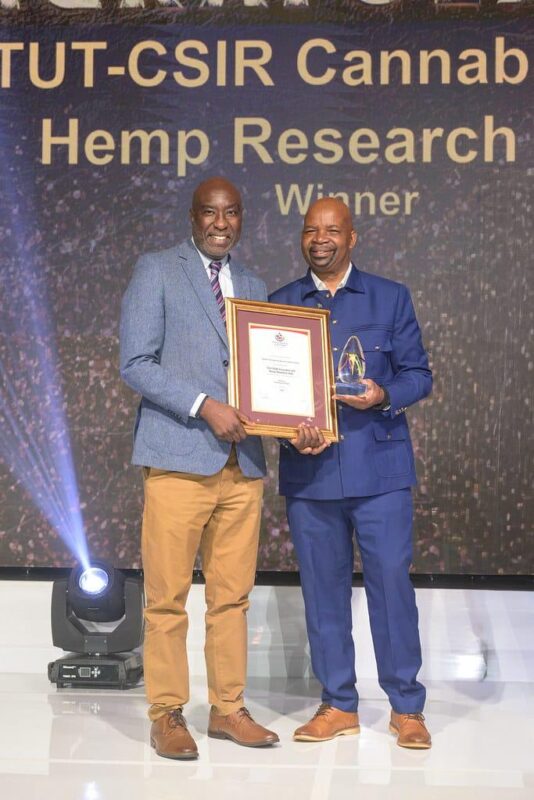
TUT research also focuses on the extraction, formulation, and clinical testing of cannabis and hemp oils, which support joint health and reduce inflammation.
Four pillars of the project
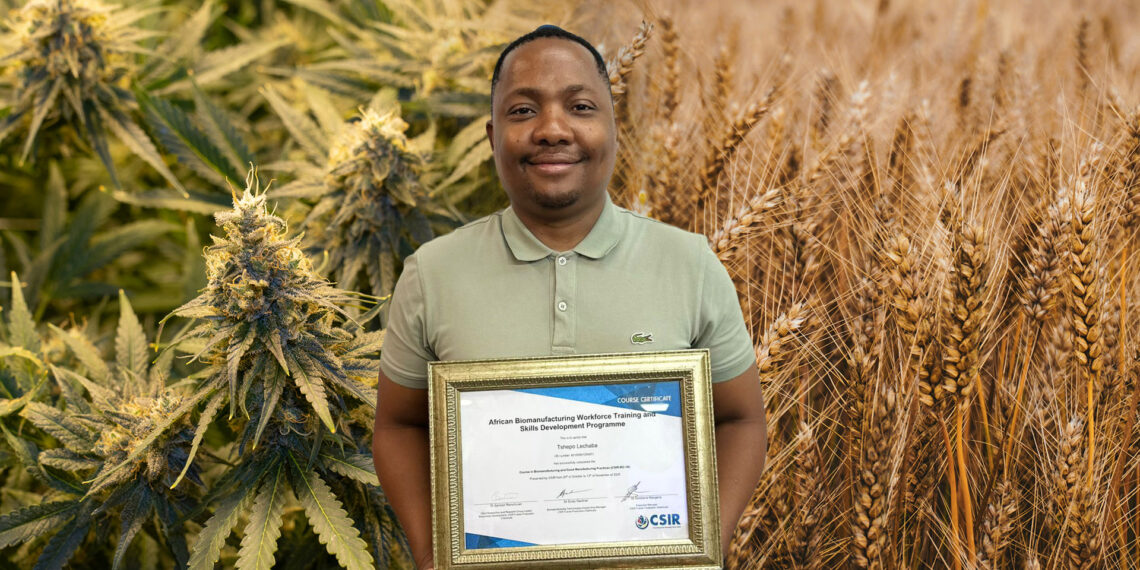
Dr Tshepo Lechaba, who works in the Pharmaceutical and Biotech Advancement in Africa (PBAA) group within the department of pharmaceutical sciences at TUT, says there is power in indigenous medicinal plants for both health and nutrition.
Lechaba says Niselo is the brainchild of Professor David Katerere. Katerere, who grew up in rural Africa, was inspired after seeing how people in rural areas use medicinal plants and ancient grains like sorghum and fingermillet for food and nutrition, but these same people then discard these products when they become westernised.
“He wanted to bring an alternative that could help solve many of the diseases affecting our communities,” Lechaba explains.
Related stories
- Umqombothi: Where tradition meets nutrition
- Pearl barley: Explore the unsung hero of grains
- Why hemp could be the next big thing for local producers
- How indigenous essential oils can drive jobs, food security
The platform is built on four pillars:
The first pillar focuses on cannabis and hemp. Here, they work with various licensed growers, doctors and stakeholders to provide a contract extraction and formulation service.
“We have a supercritical CO₂ machine placed at CSIR. We focus on extracting the cannabis oils that come from the flowers, and from there we develop products,” he says.
The second pillar centres on the development of nutritional products using indigenous grains such as sorghum and finger millet.
“We infuse these grains with probiotics to create healthy products that support gut health, regulate dietary sugars and boost immunity. This helps with issues such as constipation by using African traditional ingredients,” Lechaba explains.
The third pillar involves mushroom cultivation. Mushrooms, like sorghum, offer probiotics and are also rich in protein.
“We are working in this space to create products such as drinks that may even support sports nutrition. Instead of relying on storage products, you can use ingredients that are fully organic and come from natural sources.”
The fourth pillar focuses on traditional medicine and natural products.
“We collaborate with various traditional healers. We bring their plants into the lab and conduct scientific studies on them to provide scientific backing,” he says. This work also helps ensure that these products are safe for human consumption and do not pose risks to people’s health.
Health backed by science
Lechaba explains that they have strengthened the platform by bringing in postgraduate students at both master’s and PhD levels.
“Through this, we expanded the programme by conducting proper testing, quality checks, and taking everything through the necessary scientific processes. That is how the project evolved.”
He adds that the project grew through visibility, with exhibitions being a key example. “We showcase the various products we have developed. We also attend conferences and present our work.”
He notes that they also publish their findings. “This is how we moved the project from a simple concept into reality. It is a full value chain.”
Who can use the products?
Their target market is every South African in need of wellness products. For Niselo drinks, they are suitable for everyone, healthy or sick.
“Many people use Niselo as a food-drink to keep energy levels up, manage their weight, improve physical performance or when recovering from illness or surgery,” Lechaba says.
“Many people, for instance, struggle to eat when they are sick. By creating probiotic sorghum drinks, we offer a product that supports people while they recover. It helps them maintain their health and nutrition.”
He says they are not only targeting local communities, but also commercial retailers and export markets. “Our strategy is to tap into every market where we can promote these products.”
They are currently working with retailers in Tshwane, Bloemfontein and mining areas like Rustenburg. Lechaba says, “We see our products standing out not only in the local and African markets, but also globally.”
He adds that they are always looking for partnerships in the distribution and marketing of their products since they not only want the health benefits to be known to communities but also play a role in community upliftment.
Lechaba shares strategies for starting and maintaining a brand:
- Be visible and promote your brand at different stages.
- Ensure the quality of your products meets high standards.
- Have a clear way to explain your products and what makes them unique.
- Follow strict food safety measures, which are essential for establishing legitimate products that are safe for human consumption.
- Work with scientific partners to build intellectual property beyond just making and selling the product
READ NEXT: Medicinal plants conference highlights healing & profit potential