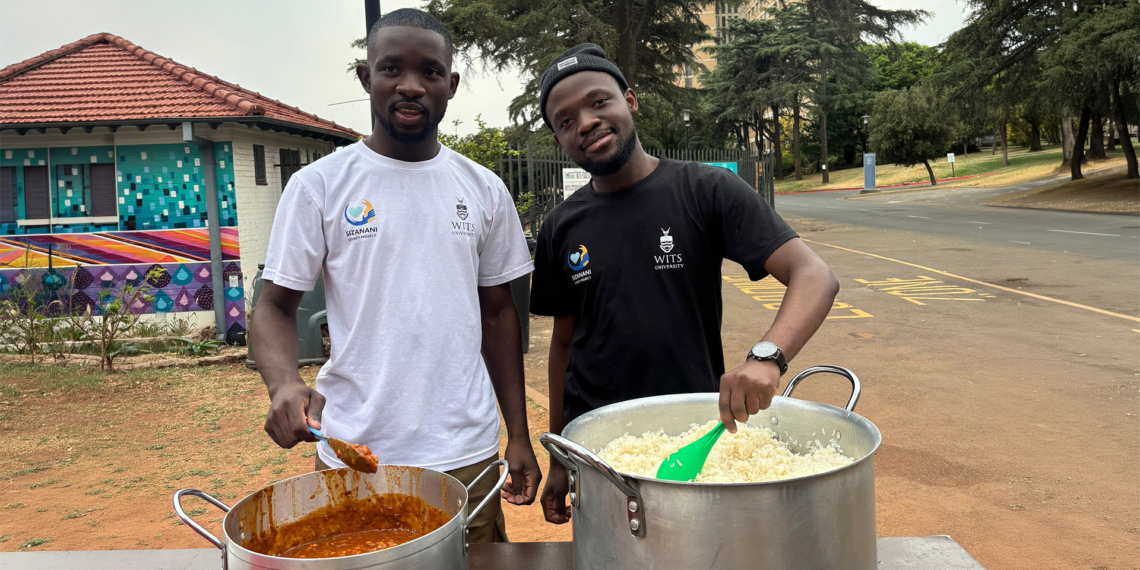
For many tertiary students from vulnerable families, the struggle to secure bursaries can take a heavy toll on their dignity and wellbeing. However, a few thoughtful students at Wits University in Johannesburg stepped up to combat this crisis by launching the Sizanani Legacy Project.
The seeds for the Sizanani Legacy Project were planted in 2024 when founder Tshwarelo Mafuyeka served in student leadership on the Wits All Residence Sub-Council. First-year students were arriving during orientation week with no money for food or toiletries, struggling in silence.
When Mafuyeka approached campus housing and outreach offices, limited resources meant they could not offer immediate help. Refusing to accept institutional paralysis, Mafuyeka spent the year laying the groundwork for the project, which officially launched with a fundraising gala dinner on 28 February 2025.
Casting a safety net for struggling students
Founded alongside Thembi Mathebula, Bonolo Mokonoto, Masana Munengwani, and Amanda Ntimba, the project built a vital safety net where institutional structures failed.
Today, Mafuyeka balances running Sizanani with his postgraduate studies as an honours student in education policy, researching how the lack of a national campus food security policy forces student leaders to step into the gap.

He explains that this crisis is rooted in the National Student Financial Aid Scheme (NSFAS), where systemic failures continue to affect students. Due to rigid funding structures, NSFAS meal allowances for catered students cover only two meals a day, from Monday to Friday.
Related stories
- Hortgro mentor Tannie Lona helps students harvest their potential
- Hunger crisis: SAHRC demands action on food affordability
- Soweto couple conquers hunger with community farm
- How youth-led food gardens are changing urban communities
On weekends, these students cannot book dining hall meals, leaving those who cannot afford top-up fees stranded. Furthermore, campus outreach cannot provide groceries because residences lack cooking facilities.
“The result of this institutional gap is a heartbreaking reality where students routinely walk into lecture halls without having eaten a thing.”
Tshwarelo Mafuyeka
Late NSFAS payouts only worsen the struggle, forcing many to go hungry, Mafuyeka says.
Reaching out to provide nutrition
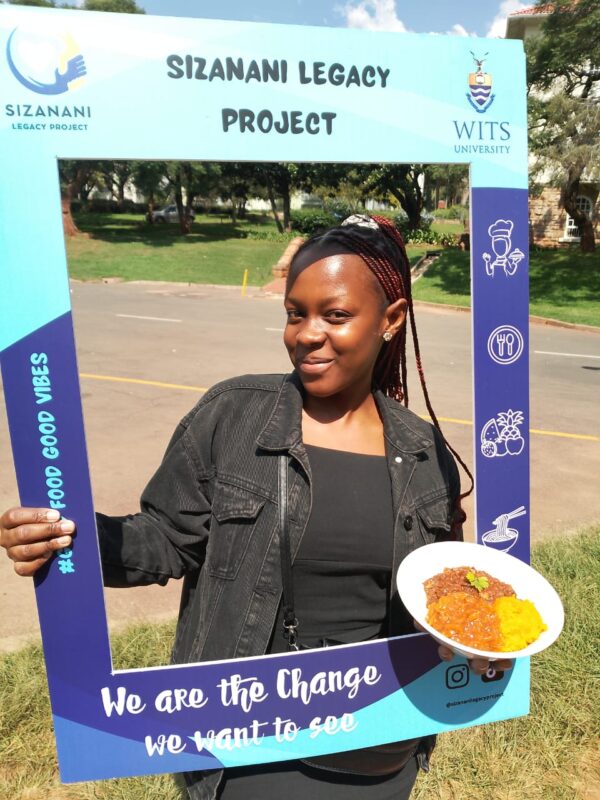
In March 2026, first-year psychology and international relations student Khethiwe Mhlanga joined Sizanani as its food and nutrition officer.
“I was drawn to the organisation because of its commitment to addressing food insecurity,” she says.
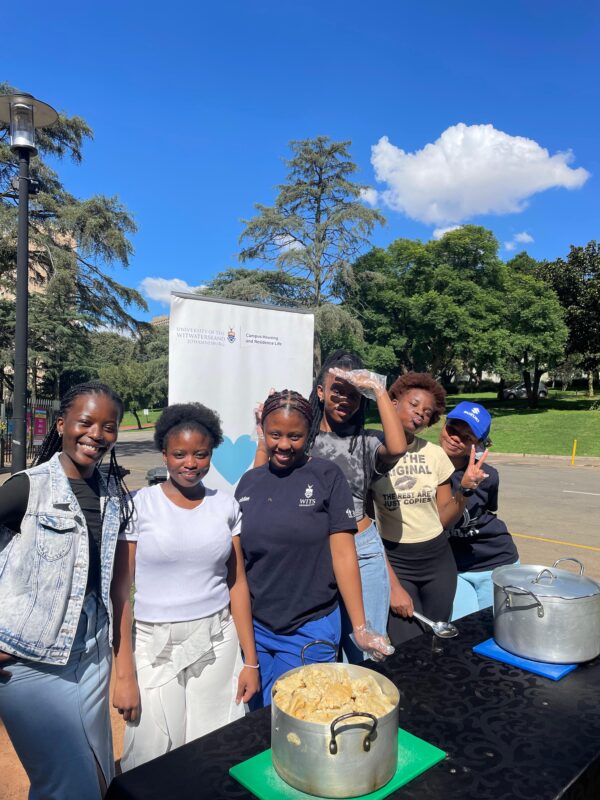
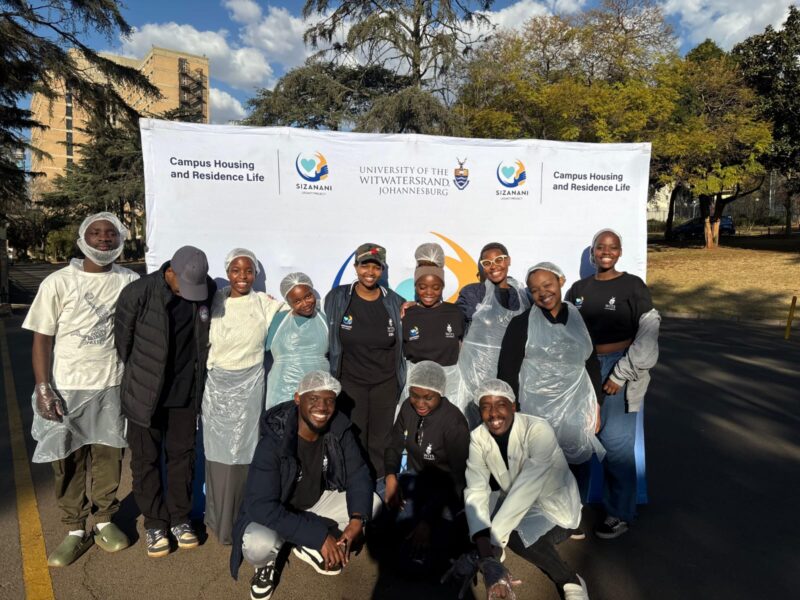
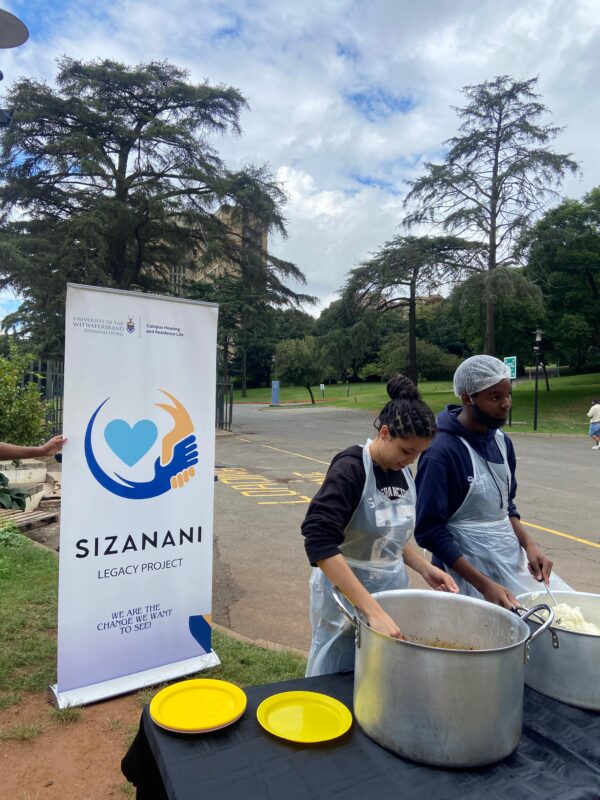
“What stood out most was how selflessly students dedicate their time to preparing and distributing food over weekends and exam periods.”
Khethiwe Mhlanga
Beyond the kitchen, Mhlanga coordinates food parcels, tracks outreach, and promotes healthy, sustainable eating. For her, the magic lies in this collective spirit: “Even providing nutritious sandwiches during exams makes a real difference in students’ lives.”

Feeding 130 to 170 students every weekend is a massive financial burden, costing up to R1 700 per weekend for fresh ingredients and hygiene supplies, roughly R170 000 annually. When minor ingredients run out during weekend emergencies, student volunteers quietly use their own funds to keep the kitchen running.
To ease this burden, the surrounding community has stepped in. Focus 1 student accommodation stands as their biggest sponsor, while the university housing and outreach offices provide logistical and fundraising support.
Private accommodation providers like South Point, Africrest Properties, Enate Properties, and Life Students apartments contribute crucial financial donations, while Respublica stepped in with a major donation of 6 000 noodle packets.
Wits University resident students and student societies also donate through student-led noodle challenges, with Barnato Hall, Girton Hall, and Reith Hall winning the latest drives.
Corporate partners have padded the safety net further, with Jozi Republik donating branded T-shirts, Merchants of Light providing food parcels, toiletries, and blankets, and Wits Chancellor Dr Judy Dlamini making a major personal financial donation to the programme this year.

A sustainable national blueprint
Mafuyeka does not view Sizanani as a temporary charity, but as a sustainable blueprint that needs to spread across all South African universities.
The long-term vision is to expand the project to all Wits campuses to feed over 500 students daily, launch skills-building programmes in income-generating trades like tailoring and tutoring, and establish a large-scale hydroponic garden to teach farming while sourcing fresh produce.
Ultimately, they want Sizanani to grow into a lobbying organisation advocating for national campus food security policies with the department of higher education and the department of social development.
To make this a reality, they are calling on the government, the corporate sector, and digital platforms to back their efforts and ensure the future leaders of South Africa are never forced to choose between an education and a meal.


READ NEXT: Land Bank urges greater youth participation in agriculture