Sipho Mhaga, customs and excise specialist at SNG Grant Thornton, explores how South Africa can capitalise on its trade agreements, including AfCFTA and Agoa, to drive economic growth and navigate challenges.
Trade agreements are one of the essential pillars supporting South Africa’s economic strategy, shaping market access, investment flows, and international competitiveness.
While global discourse on trade has recently focused on negotiations involving the United States, Canada, Mexico, and China, to mention a few, South Africa needs to look closer to home and examine its own trade agreements to capitalise on emerging opportunities and mitigate potential risks.
With the African Continental Free Trade Area (AfCFTA), the Southern African Customs Union (SACU), and the Africa Growth and Opportunity Act (Agoa) shaping the country’s trade landscape, understanding these agreements and how to leverage them are the keys to navigating an increasingly complex global economy.
The importance of trade agreements
Trade agreements streamline the exchange of goods and services between countries, reducing tariffs and barriers that otherwise hinder economic growth. Historically based on barter systems, modern agreements involve structured and equitable exchanges.
South Africa’s participation in agreements such as Agoa and SACU allows businesses to access international markets under preferential conditions, driving growth, enhancing economic development, and supporting job creation.
Agoa, for example, gives South African exporters duty-free access to the US market for certain goods, particularly benefiting sectors like agriculture, automotive manufacturing and mining. However, Agoa’s non-reciprocal nature means South Africa is vulnerable to US policy shifts.
Recent diplomatic tensions – highlighted by the US decision to expel South Africa’s ambassador – illustrate how quickly trade dynamics can change, potentially affecting market access. Losing Agoa preferences would subject exports to higher US tariffs, significantly hindering South Africa’s competitiveness against countries with lower costs and more efficient supply chains.

Challenges in navigating trade agreements
Trade agreements also pose several other challenges, particularly regarding compliance with international regulations. For South African businesses, especially SMEs, navigating complex legal and administrative requirements can be resource-intensive.
Meeting high standards for exports, for example the stringent sanitary and phytosanitary measures in agriculture, requires significant investment in quality control and documentation.
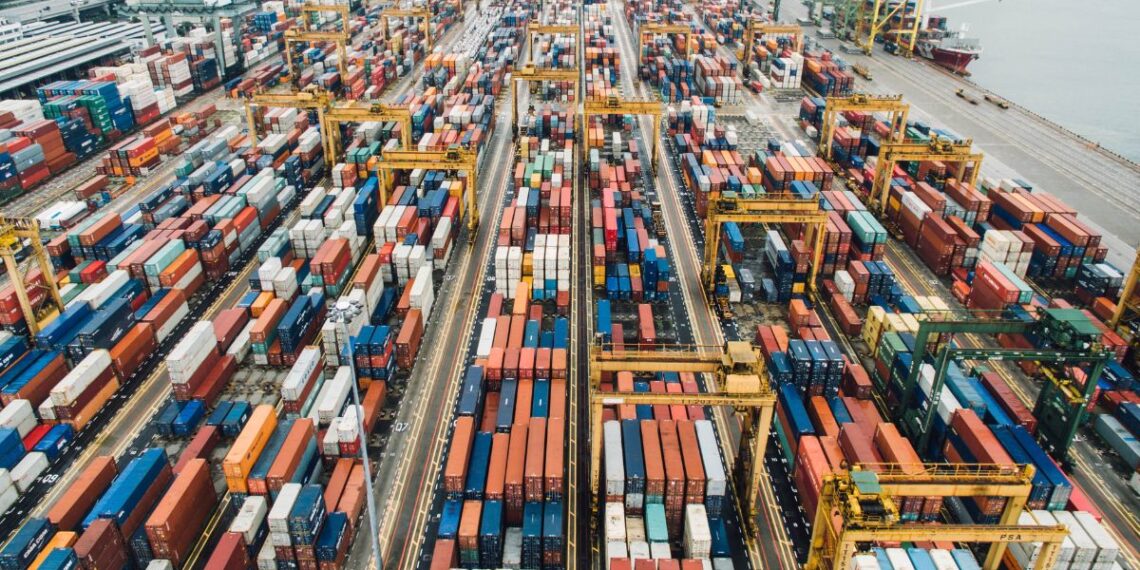
Another significant issue is the infrastructural and logistical barriers hampering trade efficiency. South Africa’s ports and border posts, notably Beitbridge border post, remain congested and inefficient, negatively impacting trade with neighbouring countries.
Delays in customs processes and high transportation costs also limit the competitiveness of South African exports, disproportionately affecting smaller businesses looking to enter export markets.
Related stories
Expanding trade beyond traditional partners
Against this backdrop, it is imperative for South Africa to actively strengthen trade relationships within Africa. The AfCFTA offers a historic opportunity to create a unified African market, reducing intra-African trade barriers and promoting economic integration.
Recently, South Africa began preferential trade under AfCFTA, enabling duty-free or reduced-duty exports to 12 African countries. However, inadequate infrastructure, regulatory disparities, and non-tariff barriers still hinder growth.
To leverage AfCFTA fully, South Africa – and indeed all other African countries – must invest in logistics and border efficiency. Modernising customs procedures, reducing red tape and enhancing transportation networks will facilitate smoother trade flows.
Addressing regulatory bottlenecks will also help SMEs participate more fully in regional trade, promoting economic inclusivity.
Beyond Africa, engagement with Brics nations offers additional trade opportunities. While China remains a major partner, other Brics markets hold untapped potential for South African exporters, particularly in minerals, manufacturing and agriculture.
However, non-tariff barriers, such as Brazil’s stringent medical equipment import regulations, must be addressed to fully realise these opportunities.
Policy considerations and future trade strategies
For South Africa to remain competitive globally, a strategic policy approach is essential. Recent EU investments totalling €4.7 billion in green energy and vaccine production reflect growing opportunities to diversify trade and attract foreign investment. But it is imperative that we build on this positive momentum.
There are some areas where the government is doing that – for instance its recent decision to invest R1 billion into local electric vehicle (EV) production, thereby demonstrating alignment with global sustainability trends and hopefully enhancing South Africa’s competitive position over time.
However, there is still much work to be done and, unfortunately, the recent budget demonstrated that there is not much money to fund that work. In fact, little has been said or done of late to signal serious government intent of any sort to boost economic growth through trade facilitation.
Despite the challenges, though, South Africa still has a unique opportunity to reposition itself as a leader in African trade and beyond.
By embracing digital customs processes, strengthening regional trade networks and leveraging public-private partnerships alongside private sector investment, the country can create a more agile and resilient trade environment – one that evolves from merely reacting to global trade shifts to proactively leveraging the power of trade agreements to help shape its own economic destiny and that of the African continent.
READ NEXT: Zelenskyy visit: SA agriculture eyes Ukraine amid US tariff woes
Sign up for Mzansi Today: Your daily take on the news and happenings from the agriculture value chain