As the country’s economy relies on agriculture for job creation, First National Bank agri economist Paul Makube said the resilience of the sector comes against the backdrop of local socio-economic challenges that make it difficult for farmers to farm.
According to Makube, the growth in the sector needs to be nurtured by all stakeholders with the key focus on having a sustainable industry in the country where unemployment has skyrocketed.
‘We are on the right track’
Makube said farmers have not had it easy with the deteriorating logistics infrastructure and cost of pressure associated with load shedding.

“About 70% of the indicators tracked showed a rebound which saw the overall agricultural business confidence (ACI) drifting back to break even with a rebound of 6 points from the second quarter of 2023 to 50 points in the third quarter.
“This is obviously good news as levels above 50 points for the ACI indicate renewed optimism about agriculture business conditions in South Africa,” he said.
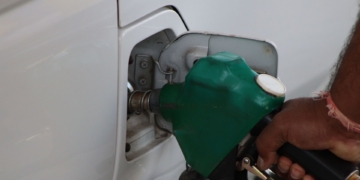
However, Makube said while farmers were battling with endless power cuts, the renewed cost pressures associated with the hefty increase in fuel prices, particularly diesel in September 2023 with potentially another hike looming next month, dampens the confidence.
“In a country facing high unemployment, the 11-point jump in the employment subindex to 5 points again demonstrates the importance of agriculture to the economy through its contribution to alleviating unemployment in the country,” he said.
More needs to be done
Makube said it was important for the agriculture sector to grow. However, a conducive business environment was needed to allow the industry to flourish.
“The windfalls from the massive harvest of summer grains and oil seeds and increased activity for winter crops helped lift the turnover and the net operating income subindexes by 9 and 4 points quarter-on-quarter to highs of 74 and 59 in quarter three of 2023,” he said.
Makube added that the good export performance that amounted to a 0.1% year-on-year increase in the country had a positive impact on the total value of agri exports in the second quarter to the tune of U$$3.4 billion.
Weathering the storm
“Nonetheless, more traction on the export front amid reduced shipping costs bodes well for sustained agriculture growth in the medium term.
“El Niño, which is already in full swing, may complicate matters. However, the combination of the cumulative build-up of moisture levels over the past three years, the country’s dams at good levels, and the prudent husbandry practices will help the agri sector weather the storm in the new season,” he said.
ALSO READ: SAB urges the old guard to unleash the future of farming
Sign up for Mzansi Today: Your daily take on the news and happenings from the agriculture value chain.