South Africa’s unfavourable inflationary environment has made buying food hard for most South Africans. Food inflation numbers are, however, starting to show signs of decline. Whether this will be enough to put money back in the consumer purse, remains to be seen.
The South African year-on-year inflation on food and non-alcoholic beverages decreased by 2.1% points from April 2023 to 11.8% in May 2023. This is according to the latest Bureau for Food and Agricultural Policy (BFAP) food inflation brief.
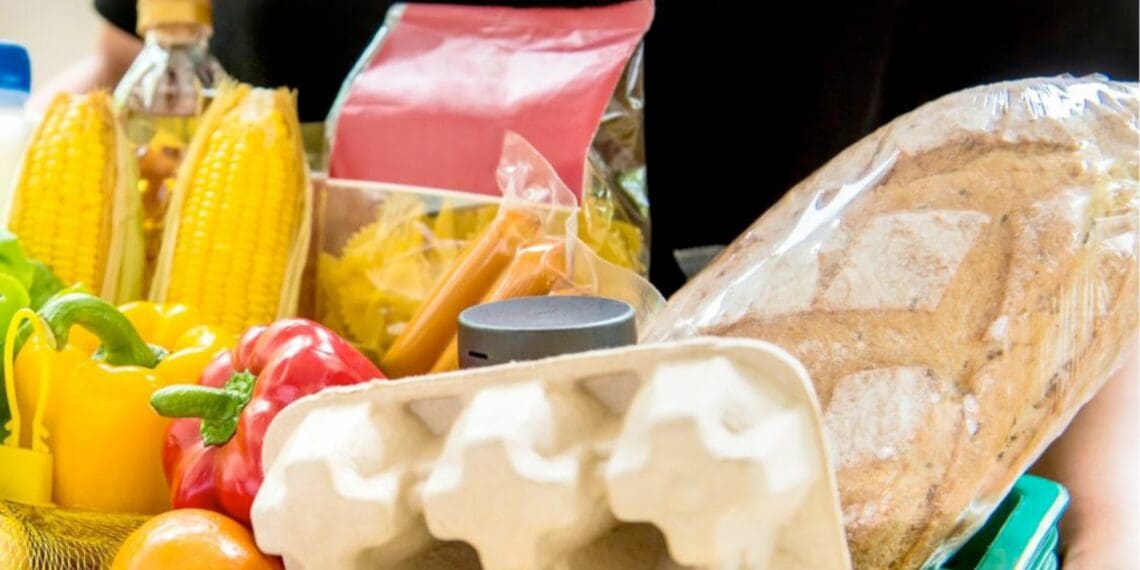
In May 2023, the average household had to spend R3 614 on BFAP’s Thrifty Healthy Food Basket (THFB). This is, however, R443 per month more for a basic healthy food basket than a year ago.
“While food inflation remains high, May 2023 numbers provided a sharp decline from recent months and the first solid indication of a turnaround.”
Downward trend to continue
According to BFAP, this momentum is expected to persist over the coming months, with food inflation expected to continue trending downwards.
This is indicative of the strain on consumer budgets, the relative recovery in the value of the Rand over the past month, and the filtering through of recent lower producer prices to the retail level.
“The relative strength of the Rand remains a key factor to watch, as the high-risk environment, both domestically and globally, could trigger sharp movements that affect price levels. Another sharp depreciating cycle will again drive food prices higher,” BFAP said.
The THFB measures the cost of basic healthy eating for low-income households in South Africa
Veggie exports increased
When it comes to vegetables, BFAP reported that domestic market dynamics have been influenced by the demand abroad for South African produce.
Amid international turbulence and climate-related problems, made more complex by recent trade restrictions, South African firms have been able to expand their European vegetable footprint in 2023.
Onions and dried vegetables in particular, including legumes, have seen a rise in exports. Some of these exports came at the expense of trade with other regions.
“Despite the growth in value and volume of vegetables to Europe, Africa remains the single biggest off-taker of South African fresh produce.
“Unit values did not increase to the extent that has been observed domestically, which suggests that lower quality produce was sold to neighbouring countries,” BFAP said.
Meat prices are also lower
Furthermore, domestically, lower volumes of potatoes (-6%), onions (-21%), and tomatoes (-3%) were recorded on the municipal markets for May compared to the same period last year, with an increase in cabbage volumes of 5%.
Unit prices (year-on-year for May 2023) increased disproportionally relative to the drop in volumes – onions (+165%), potatoes (+36%), tomatoes (+19%), and cabbage (+27%), reflecting firm demand for vegetables.
“This is often the case in an environment where consumer spending power is limited, due to their relative affordability compared to fruit.
“The fact that cabbage prices increased despite higher volumes further substantiates the firm demand for products that provide better value for money,” BFAP said.
South Africa’s meat price inflation has also started to slow, despite marginally higher international prices.
According to BFAP, the slowdown in meat inflation in South Africa reflects the extent of pressure on consumers’ spending power. This, as interest rates continue to rise, economic growth remains slow and load shedding continues to constrain economic activity.
READ NEXT: Rise of technology inspires farmers to prosper
Sign up for Mzansi Today: Your daily take on the news and happenings from the agriculture value chain.