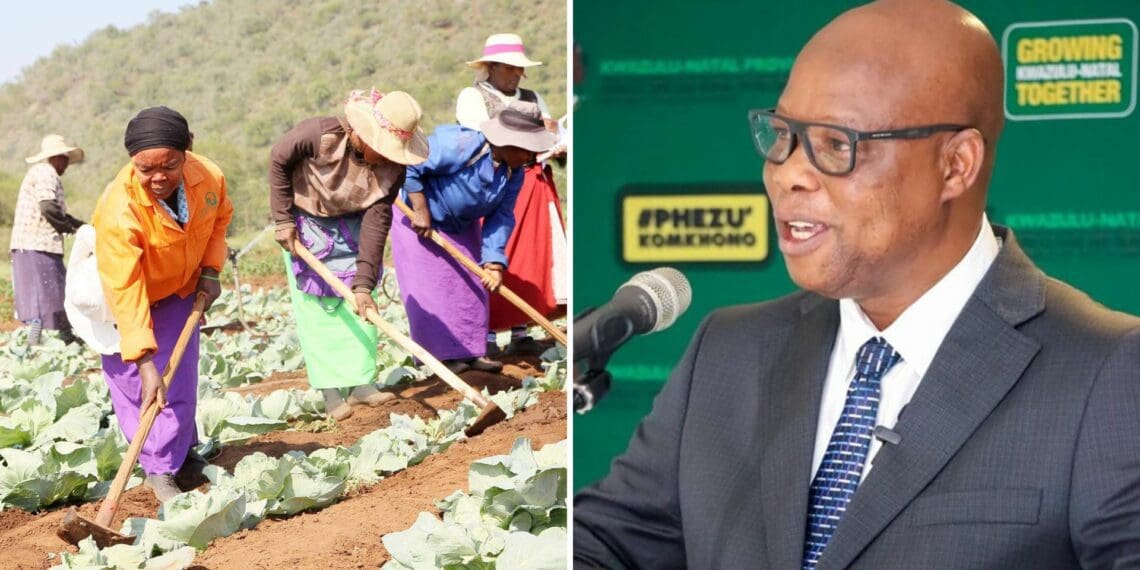
KwaZulu-Natal’s MEC for the department of agriculture and rural development, Super Zuma, has “major plans” for agriculture in the province. Among them are greater support to impoverished households and subsistence farmers, boosting township agriculture, and a new cattle and sheep breeding programme.
The new MEC for agriculture has outlined his department’s plans for the 2023-2024 financial year.
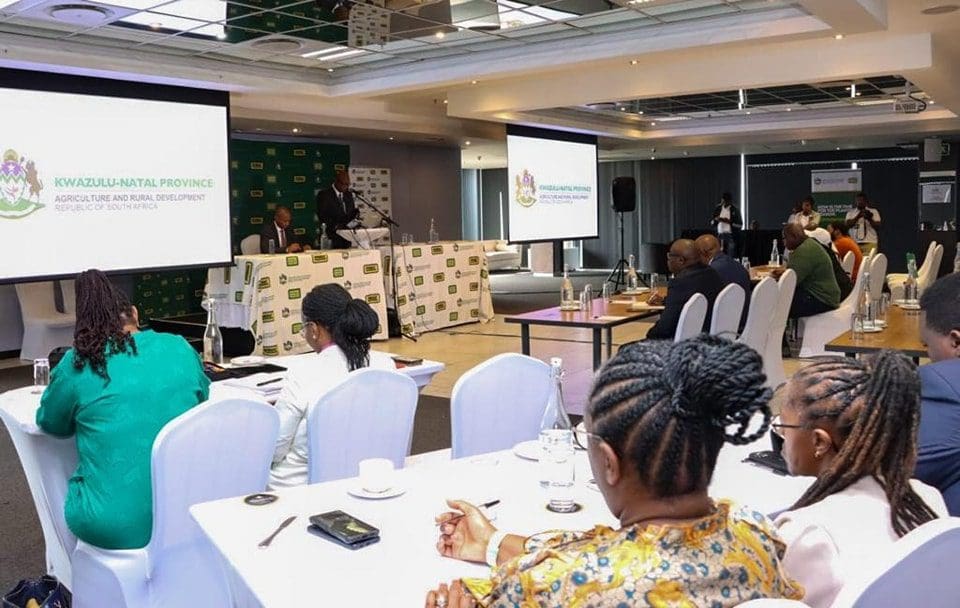
Speaking at a media briefing, Zuma said he was humbled by his deployment to the agricultural portfolio. “I have accepted this responsibility with humility. We are truly ready to serve.”
Zuma flagged eight programmes that the agricultural department in the province will focus on. His plan of action includes promoting agricultural development and ensuring that there is synergy in terms of plans to develop rural areas, he said.
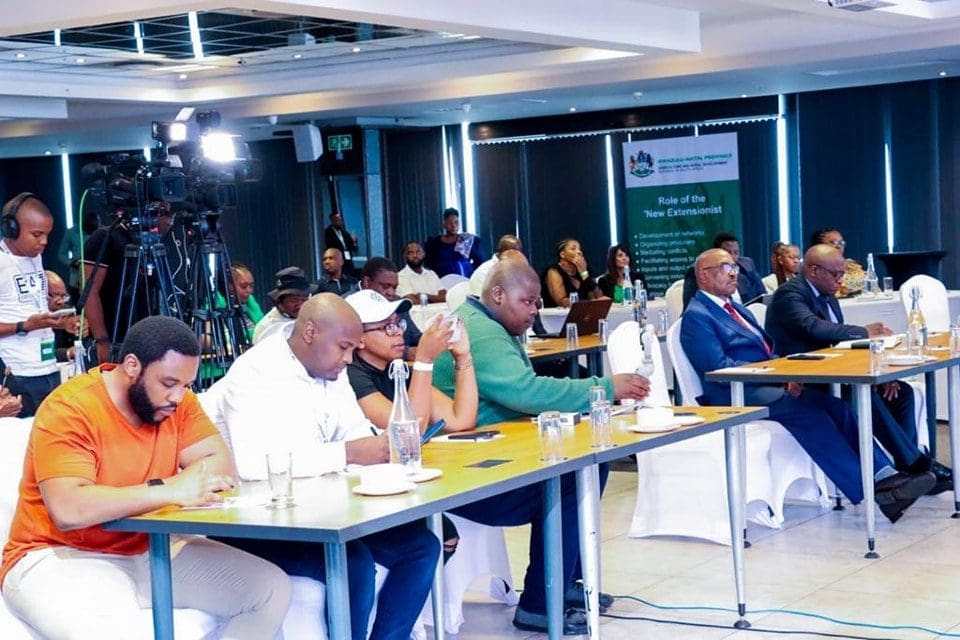
On Saturday, 4 March, the department hosted the Provincial Agriculture Indaba. This was an opportunity for the office of the MEC to interact with the stakeholders from the sector and farmers.
Food security initiatives
The department also plans to put more emphasis on food and nutrition security.
In this particular pillar of its programmes, the department intends to extend more significant support to impoverished households and subsistence farmers. The provision of mechanisation services, extension services, and production inputs are on the cards to ensure stability in food security for these households.
“There’s no doubt that if we want to respond to the needs of our people, we need to quicken the tempo in delivering the service to our people. The language we would like to reiterate is to accelerate our pace to deliver services to our people,“ Zuma said.
The department’s acting head of department has also been instructed to develop a programme of action which links this initiative with the traditional leaders.
“The reason we want to always work with Amakhosi is because they are custodians of land and if we want to grow agriculture and develop rural areas, we have to work together at all times. We will work with other governance structures as well through the District Development Model and Operation Sukuma Sakhe.”
The department also intends to launch a programme to boost township agriculture whilst fighting the scourge of poverty and unemployment, he added.
“We seek to strengthen food security programmes in collaboration with other sector departments and stakeholders to promote increased access to food, especially by vulnerable groups in our community.”
Seeds and seedlings will now be available for communities at the department’s district and local offices to drive agrarian reform. The distribution of seeds and seedlings on different platforms at government events and community centres will continue, Zuma said.
Livestock theft and breeding programmes
KwaZulu-Natal has a serious livestock theft challenge, and according to Zuma, their district offices are inundated with reports from livestock farmers.
“We are also concerned about this matter, so we will unveil livestock branding amongst other preventative measures. We will continue to work with the police and all other security structures to shine the spotlight on this menace.
“Our veterinary staff will join the police in different road blocks throughout the province to ensure that the cattle movements have the necessary legal permits,” Zuma said.
The department said it would also unveil a cattle and sheep breeding programme to commence in the new financial year. It will be distributed to communal farmers, improving the genetics and quality of communal herds.
Agricultural hubs in different districts are also on the programme and mandated by the provincial cabinet to drive agricultural development and economic recovery.
Infrastructure and load shedding
Zuma said good agricultural infrastructure is required to achieve higher levels of agricultural productivity and profitability.
Through a community investment programme, the departments vow to establish physical communal infrastructure for the purpose of improving agricultural and rural development. It will mainly focus on dip tanks, boreholes, and grazing camp fencing.
The department said it would continue to support the establishment of infrastructure such as animal handling facilities, livestock dams, fencing, and irrigation schemes, among others.
Furthermore, Zuma acknowledged the negative impact load shedding is having on farmers across the province.
“We are awaiting further guidance from our national minister with respect to the relief that the sector will provide to farmers.”
Meanwhile, his department would continue to engage with farmers in the province to explore solutions to deal with load shedding, Zuma said.
READ NEXT: Izingadi zogogo zondla izinkulungwane KwaZulu-Natali
Sign up for Mzansi Today: Your daily take on the news and happenings from the agriculture value chain.