Monday, September 7, 2026
SUBSCRIBE
22 GLOBAL MEDIA AWARDS
Food For Mzansi
  • News
  • Changemakers
  • Lifestyle
  • Farmer’s Inside Track
  • Food for Thought
No Result
View All Result
  • News
  • Changemakers
  • Lifestyle
  • Farmer’s Inside Track
  • Food for Thought
No Result
View All Result
Food For Mzansi
No Result
View All Result
in Climate Change, News

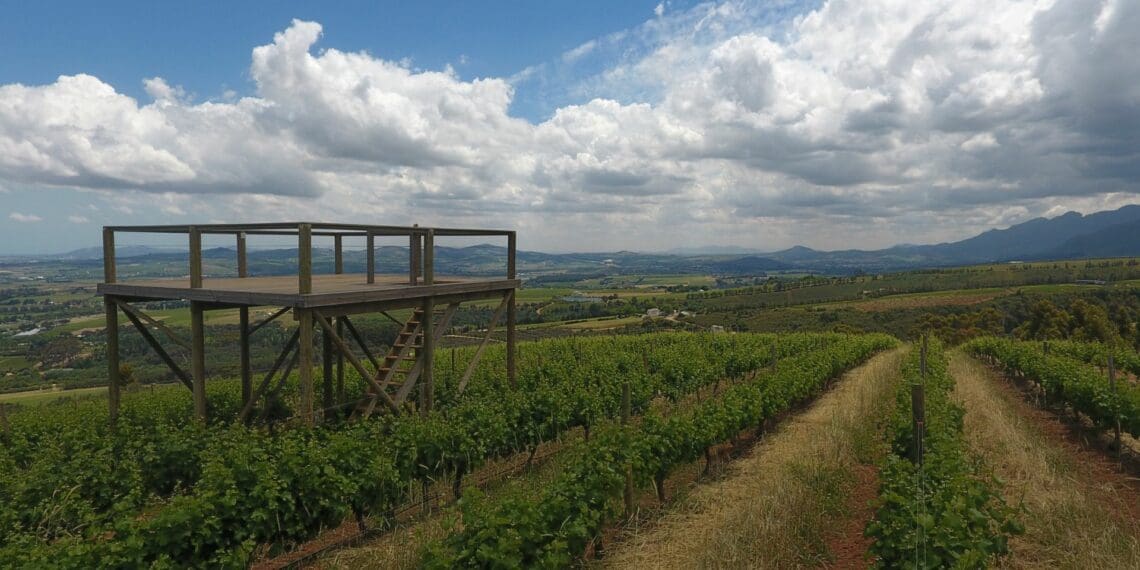
IN PICTURES: Invest in regenerative viticulture

Regenerative business is the new sustainability. Wine farms across the globe, from Troon in the USA and Domaine Bousquet in Argentina to Spier right here in Mzansi, are practising regenerative farming, which looks after the soil in which the vines grow. Global experts share their insights

by Noluthando Ngcakani
22nd January 2023
IN PICTURES: Spier chooses regenerative route

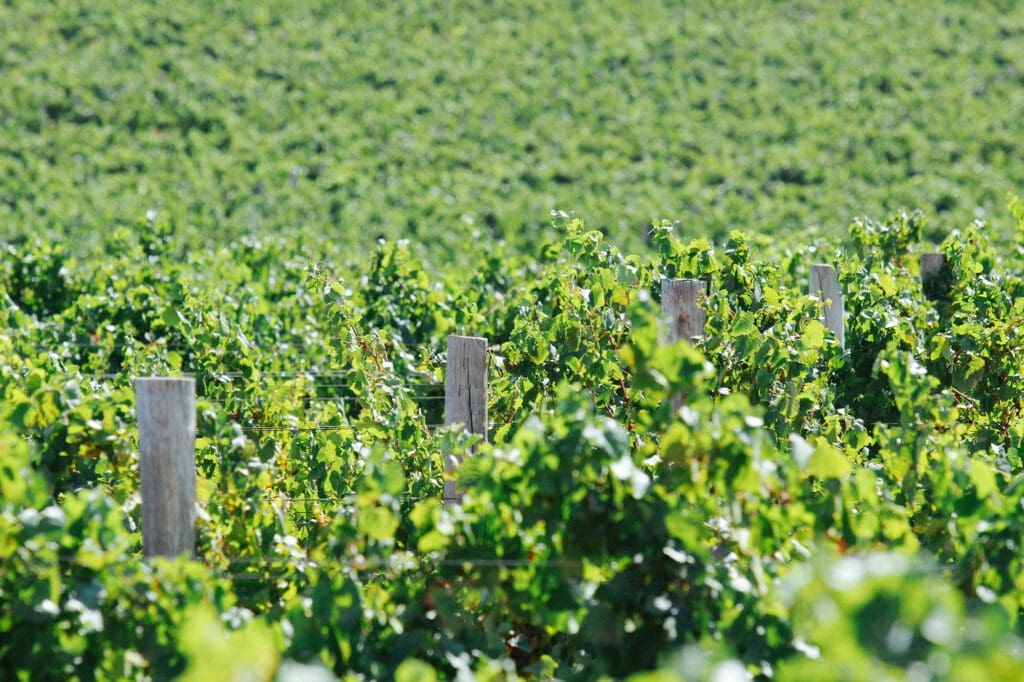
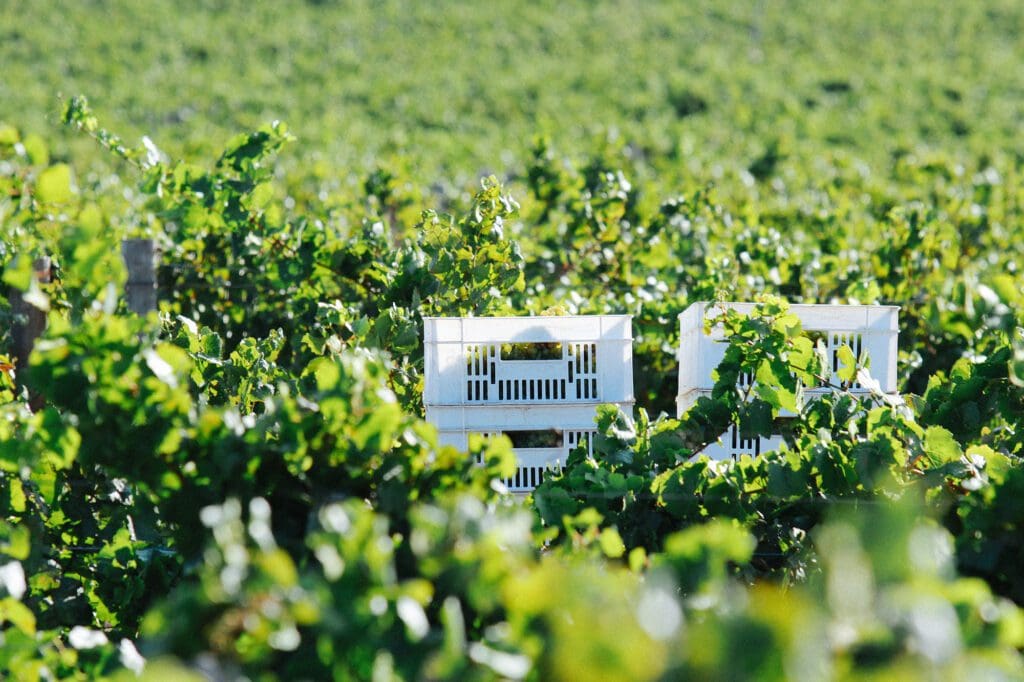
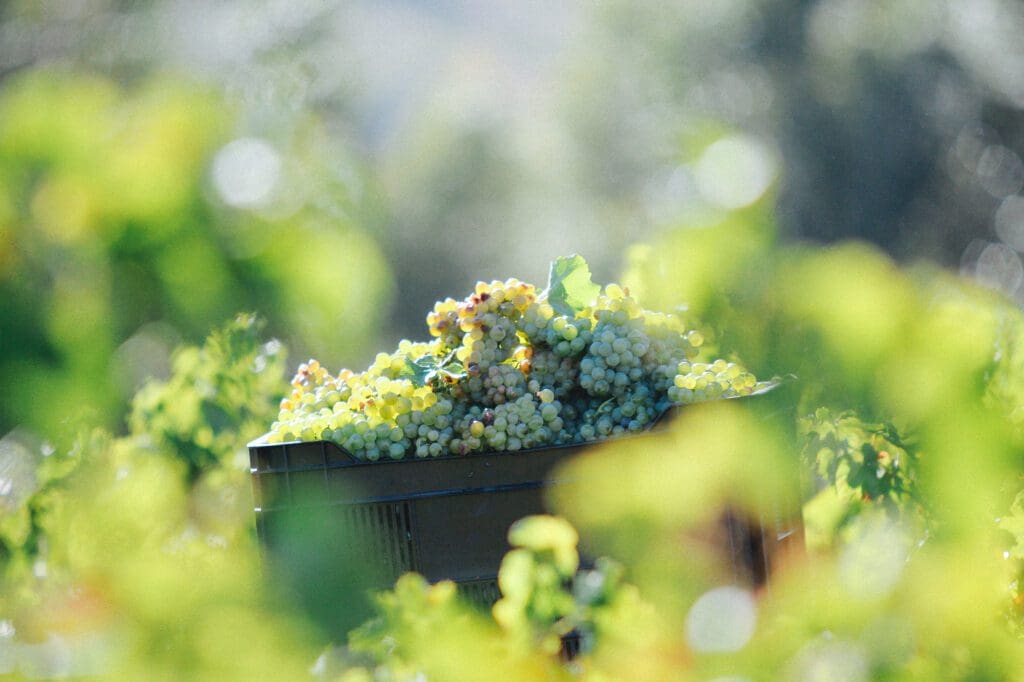
Regenerative business is the new sustainability say global and local experts in the wine industry. Photo: Supplied/Food For Mzansi

Share on FacebookShare on TwitterShare on WhatsApp

In a world of instant gratification and disposable culture, restoring and building rather than simply maintaining is becoming the new best practice in viticulture, says global and local experts in the wine sector, most notably Spier, voted one of the best vineyards in the world in 2021.

Spier is one South African farm that is a long way down the road of transitioning from sustainability to regeneration, says the winery co-owner Mariota Enthoven.

“The concept of sustainability was useful in that it allowed us to understand the environmental and social challenges we were facing, but a preservation mentality does not take one into the future,” says Enthoven.

“Investing in a circular economy makes sense, as it creates a vital and abundant space that supports both ecosystems and communities,” says Enthoven.

Heidi Newton-King, Spier’s sustainability and human resources director, adds, “It’s not just about managing risk or cutting down on emissions, but changing what we want the future to look like.”

Jamie Goode, UK plant biologist and wine blogger. Photo: Supplied/Food For Mzansi

What does it entail?

Conventional farming methods, which typically use herbicides to eliminate weeds, add fertilisers to replace what plants have taken out of the soil, and deal with pests and diseases with systemic fungicides and insecticides. They are being replaced with a closed-loop system of nurturing and care that not only looks after the planet but also produces superior crops.

Anne Bousquet, president of Domaine Bousquet in the Mendoza wine region. Photo: Supplied/ Bousquet

UK plant biologist and wine blogger Jamie Goode, who last year published his book Regenerative Viticulture, explains that vines are simply part of a more complex below-ground ecosystem ‘encompassing fungi, bacteria, insects, nematodes, arthropods and worms, as well as plant roots. Regenerative farming looks to support and nourish this ecology.

A key aspect of regenerative viticulture is cover cropping to get the soil working properly. “It’s really important to have things [other than vines] growing in soils to have life in them, and thus good levels of soil organic material,” explains Goode.

Another aspect is about not disturbing the soil – while tilling deals with weeds effectively, it disrupts soil structure and the delicate ecological balance of soil life.

“Everything starts with the soil, as we tell the viticulture and oenology students who visit the winery,” says Spier’s managing director Frans Smit.

Water is life

Then there’s the issue of water. “Water preservation will be the biggest issue in years to come, with the growing population in the Western Cape, and agriculture will come under huge pressure,” adds Smit.

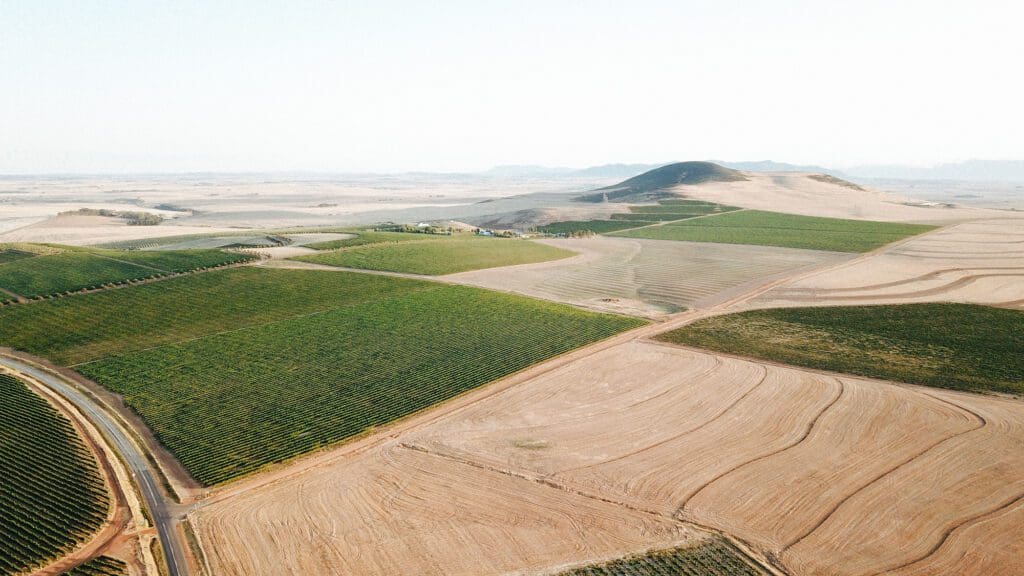
South Africa isn’t the only country facing this issue. Most of the moisture supplying Argentina’s vineyards originates high in the Andes mountains in the form of glaciers and melting snowfall, and climate change has lessened the amount of moisture available in groundwater and for agricultural purposes. Water conservation measures are therefore constant priorities.

Healthy soils sequester carbon, which improves the soil’s ability to hold water, increasing resilience in hot conditions and meaning that less water is needed to get the same result.

Using regenerative farming practices “allows us to preserve the quality, health and biodiversity of our soils and their ecosystems, which subsequently can absorb greater quantities of CO2 than conventionally farmed soils,” says Anne Bousquet, president of Domaine Bousquet in the Mendoza wine region.

The Mendoza wine region has used organic and regenerative farming since its vineyards were planted in 1999.
Every little bit helps

For even the most enthusiastic and well-meaning of farmers, however, a total overhaul of conventional methods may not be possible. But an immediate entire transition isn’t necessary. American organic and biodynamic consultant Andrew Beedy says that if a full-scale revamp isn’t feasible, conventional farmers should use any biodynamic practices they can work into their system.

“The more people we have doing it, the better,” he adds.

Craig Camp, general manager of Troon Vineyards in Oregon, USA, who partnered with Beedy to transition from conventional farming to a regenerative operation, understands that maybe it’s a long-term endeavour, but stresses that it’s worth it to rebuild soils using the vineyard’s natural resources. “Regenerative [agriculture] improves soils, vines and wine forever,” he says.

READ NEXT: Food entrepreneurs champion nutritious meals

Sign up for Mzansi Today: Your daily take on the news and happenings from the agriculture value chain
Noluthando Ngcakani

With roots in the Northern Cape, this Kimberley Diamond has had a passion for telling human interest stories since she could speak her first words. A foodie by heart, she began her journalistic career as an intern at the SABC where she discovered her love for telling agricultural, community and nature related stories. Not a stranger to a challenge Ngcakani will go above and beyond to tell your truth.

Tags: Regenerative agricultureSpier Wine FarmSustainable agricultureViticulture
Honoured roots: A father’s legacy, a daughter’s farming dream
News

Honoured roots: A father’s legacy, a daughter’s farming dream

by Vateka Halile
4th September 2026

When Zaza Letsholo lost her father, she turned it into a purpose on her family’s land in Mpumalanga. Today, ABM...

Read moreDetails
Gauteng farmers urged to harness massive urban market

Gauteng farmers urged to harness massive urban market

4th September 2026
ONCE-OFF USE; DO NOT REPUBLISH

Foot-and-mouth crisis hits SA dairy industry with R1-billion loss

4th September 2026
Tough times, hardy cattle: Why Mzansi farmers are choosing Nguni

Tough times, hardy cattle: Why Mzansi farmers are choosing Nguni

3rd September 2026
Dragon fruit thrives in KZN valley despite tough national season

Dragon fruit thrives in KZN valley despite tough national season

3rd September 2026

Early calf care: Key growth targets every cattle farmer must track

Plant, pick, protect: The rising potential of urban foraging in SA

Tough times, hardy cattle: Why Mzansi farmers are choosing Nguni

Chicken is booming, but the real money is in the supply chain

Government hikes sugar import price, but industry warns of gap

Join Food For Mzansi's WhatsApp channel for the latest updates!

JOIN NOW!
Next Post
This week’s agriculture events: 23 to 27 January 2023

This week’s agriculture events: 23 to 27 January 2023

THE NEW FACE OF SOUTH AFRICAN AGRICULTURE

With 21 global awards in the first six years of its existence, Food For Mzansi is much more than an agriculture publication. It is a movement, unashamedly saluting the unsung heroes of South African agriculture. We believe in the power of agriculture to promote nation building and social cohesion by telling stories that are often overlooked by broader society.

BenicaTheFarmer: The nurse who built an agricultural empire

Rural safety under fire as stock theft and farm violence persist

This week’s agri events: 07–11 September

Tiger Brands CEO calls for stronger food value chain

Plant, pick, protect: The rising potential of urban foraging in SA

RSVP now: Emerging farmers’ programme at Nampo Cape

  • Awards & Global Impact
  • Our Story
  • Contact Us
  • Cookie Policy
  • Privacy Policy
  • Copyright

Contact us
Office: +27 21 879 1824
News: info@foodformzansi.co.za
Advertising: sales@foodformzansi.co.za

Contact us
Office: +27 21 879 1824
News: info@foodformzansi.co.za
Advertising: sales@foodformzansi.co.za

  • Awards & Global Impact
  • Our Story
  • Contact Us
  • Cookie Policy
  • Privacy Policy
  • Copyright

Chat Options

I'm Lerato, your AI assistant!
No Result
View All Result
  • News
  • Changemakers
  • Lifestyle
  • Farmer’s Inside Track
  • Food for Thought

Copyright © 2024 Food for Mzansi

This website uses cookies. By continuing to use this website you are giving consent to cookies being used. Visit our Privacy and Cookie Policy.