In the eight months he has been at the helm of the department of agriculture and rural development in KwaZulu-Natal, MEC Super Zuma has prioritised farmer development, women empowerment, access to food security, and animal health. He said for a food-secure province, the whole value chain needs to be in place.
Zuma stated that clean governance is his priority in ensuring a sustainable department that delivers to its mandate and serves the farmers of KwaZulu-Natal. He has also spearheaded the appointment of a full-time head of department after having an acting accounting officer for a year.
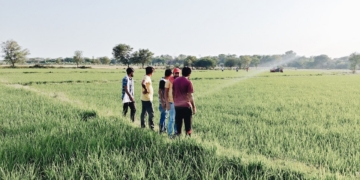
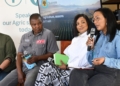
Speaking to Food For Mzansi, Zuma explained how he has been travelling across the province to ensure that the department increases its footprint and is accessible to all farmers.
Zuma was elected as MEC earlier this year and he commends his team for working hard and welcoming him into office.
Sinenhlanhla Mncwango: What have been your highlights as the MEC of agriculture since assuming office in the past months?

Super Zuma: Since taking office my priority has been to tackle the triple challenge of unemployment, poverty, and inequality through outreach programmes that are designed to uplift farming communities.
These programmes are part of the Radical Agrarian Socioeconomic Transformation (RASET) which seeks to link farmers to the market, accelerate the production of quality produce through education, and ultimately assist small-scale and emerging farmers in running profitable businesses.
What has your department done to make things easier for farmers, especially in a rural province like KwaZulu-Natal?
One particular programme, which has been rolled out throughout the province, is Umnotho Kubantu which seeks to return the economy into the hands of farming communities.
Through Umnotho Kubantu, the department has created thousands of jobs alleviating poverty and growing the local economy. This is something that as the department we are greatly happy about and would like to see more programmes of this nature being rolled out.
To further assist farmers, the department provides seedlings to farmers throughout the year and we have procured trucks that are dedicated to transporting farm-fresh produce from farmer’s gardens to the market.
What are some of the challenges that you and the department are still faced with? Paint us a picture of the state of agriculture in KZN.
Climate change still poses a risk to food availability and food quality in our province, we are not immune from climate change, and this is leading us, as the provincial government and farmers, to adapt to the changes so that we are able to feed our nation.
The change in weather patterns which includes late rainfall, and rainfall distribution, has led to delays in the planting seasons for many of our farmers. This leads to value chains being affected negatively. Our aim is to see that we come up with ways that will ensure adaptability in our farming.

Importantly, the disease outbreaks have affected the export market from our province greatly. These challenges often lead to the reprioritisation of the budget due to unexpected disaster that needs attention at that time.
What are some of your plans for the future of the KZN department of agriculture?
The department is actively engaged in conservation agriculture with a focus on climate change strategy implementation to assist our farmers to farm smart.
Also, our provincial cannabis farmers are being offered intense support with permits, seeds, and expert advice as we want our farmers to legally empower themselves.
There will also be seed and seedling supply which will be increasing and we are working on veld improvement for overwintering, fencing fields, and practicing crop rotation. So, our farmers should expect a lot from us.
ALSO READ: KZN: MEC Zuma reveals big agri budget moves
Sign up for Mzansi Today: Your daily take on the news and happenings from the agriculture value chain.