Sunday, September 6, 2026
SUBSCRIBE
22 GLOBAL MEDIA AWARDS
Food For Mzansi
  • News
  • Changemakers
  • Lifestyle
  • Farmer’s Inside Track
  • Food for Thought
No Result
View All Result
  • News
  • Changemakers
  • Lifestyle
  • Farmer’s Inside Track
  • Food for Thought
No Result
View All Result
Food For Mzansi
No Result
View All Result
in News

KZN shocker: 400 cows test positive for brucellosis

by Sinesipho Tom
17th November 2020
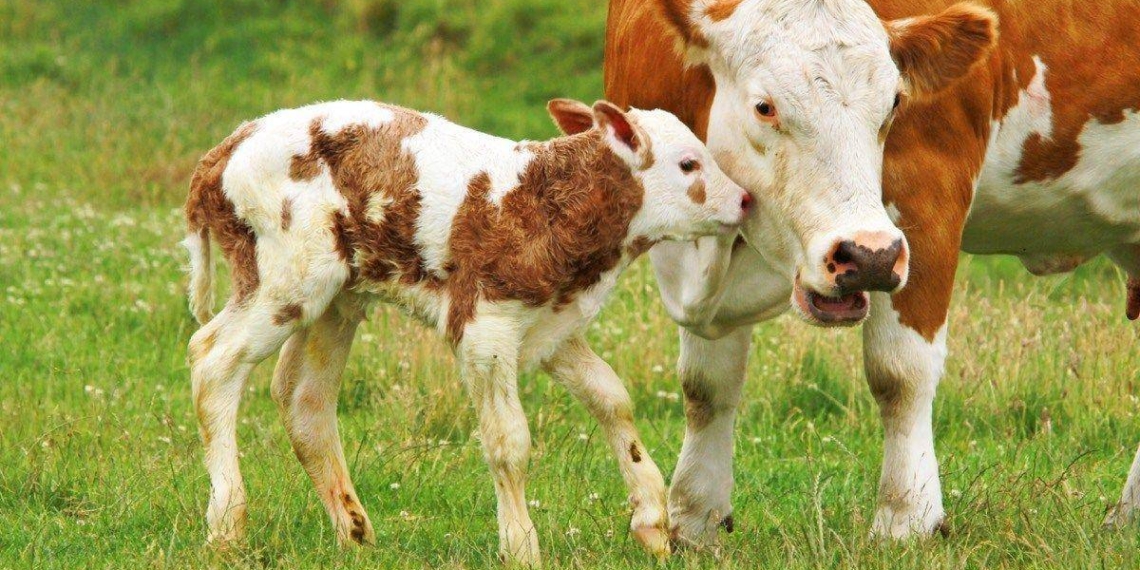
Bovine brucellosis is transmittable to humans and can cause infertility, reduced milk production, miscarriage or birth, complications and weak joints. Photo: Supplied

A variety of crowdfunding platforms enable the public to invest in small-scale farming by, for instance, buying a pregnant cow. Photo: Supplied/Food For Mzansi

Share on FacebookShare on TwitterShare on WhatsApp

KwaZulu-Natal MEC for agriculture and rural development, Bongi Sithole-Moloi, will this morning lead a cattle vaccination drive after more than 400 cows in northern KwaZulu Natal tested positive for bovine brucellosis.

Animal health experts warn the bacterial disease is transmittable to humans and can cause infertility, reduced milk production, miscarriage or birth, complications and weak joints.

Sithole-Moloi confirms that the sinister outbreak is the biggest in the last three years. There have been 635 positive cases in the province since 2018 of which 423 were recorded this year.

KwaZulu-Natal MEC of Agriculture and Rural Development Bongi Sithole-Moloi.
KwaZulu-Natal MEC of Agriculture and Rural Development Bongi Sithole-Moloi. Photo: Supplied

“This year’s high number of the infectious spread of brucellosis threatens to trigger great reproductive health, nutrition and economic failures for the majority of rural animal holders and consumers of raw meat or fresh milk from infected dairy cows, goats and sheep, province-wide,” said Bongi Sithole-Moloi.

Communal dip tanks

Most commonly, people are infected by eating raw or unpasteurised dairy products. Sometimes, the bacteria that cause brucellosis can spread through the air or through direct contact with infected animals.

Around 70% of the cases are from the communal dip tanks in the north of the province where there is generally poor compliance with brucellosis vaccination and testing.

Sithole-Moloi added, “The increase in the north is attributed to few private veterinarians, lack of resources to contain the disease, lack of compliance from livestock owners as well as proximity to countries like Mozambique and Swaziland, which have porous border security.”

To quell the spread the department will be introducing a vaccination drive for calves aged between four and eight months in all dip tanks found in uMkhanyakude, King Cetshwayo, uThukela and uMzinyathi districts. This will be conducted in the line with priorities related to food security, economic growth and rural development.


Sinesipho Tom

Sinesipho Tom is an audience engagement journalist at Food for Mzansi. Before joining the team, she worked in financial and business news at Media24. She has an appetite for news reporting and has written articles for Business Insider, Fin24 and Parent 24. If you could describe Sinesipho in a sentence you would say that she is a small-town girl with big, big dreams.

Tags: Bongi Sithole-Moloibovine brucellosiscowsKwaZulu-NatalKZN
The future of Mzansi's sugar industry hangs in the balance
News

Government hikes sugar import price, but industry warns of gap

by Staff Reporter
3rd September 2026

South Africa’s government has adjusted the sugar import reference price from $680 to $785 per tonne to curb surging imports....

Read moreDetails

Chicken is booming, but the real money is in the supply chain

2nd September 2026
How Tebogo beat post-harvest losses with smart agro-processing

How Tebogo beat post-harvest losses with smart agro-processing

2nd September 2026

Aucamp outlines strategy for biosecurity, trade, and infrastructure

2nd September 2026
Tobias Doyer, CEO of Grain SA. Photo: Supplied/Grain SA Facebook

Rising costs, climate risk push Swartland wheat farmers to the brink

2nd September 2026

How to align your farming cycles with long-term financial success

Honoured roots: A father’s legacy, a daughter’s farming dream

Farmers rethink water use as shortages threaten food production

This week’s agri events: 31 August – 03 September

RSVP now: Emerging farmers’ programme at Nampo Cape

Join Food For Mzansi's WhatsApp channel for the latest updates!

JOIN NOW!
Next Post

Five things happening in SA agriculture today, 17 November 2020

THE NEW FACE OF SOUTH AFRICAN AGRICULTURE

With 21 global awards in the first six years of its existence, Food For Mzansi is much more than an agriculture publication. It is a movement, unashamedly saluting the unsung heroes of South African agriculture. We believe in the power of agriculture to promote nation building and social cohesion by telling stories that are often overlooked by broader society.

RSVP now: Emerging farmers’ programme at Nampo Cape

Community-led farms boost food security and incomes in Limpopo

Farmers rethink water use as shortages threaten food production

Honoured roots: A father’s legacy, a daughter’s farming dream

Gauteng farmers urged to harness massive urban market

Foot-and-mouth crisis hits SA dairy industry with R1-billion loss

  • Awards & Global Impact
  • Our Story
  • Contact Us
  • Cookie Policy
  • Privacy Policy
  • Copyright

Contact us
Office: +27 21 879 1824
News: info@foodformzansi.co.za
Advertising: sales@foodformzansi.co.za

Contact us
Office: +27 21 879 1824
News: info@foodformzansi.co.za
Advertising: sales@foodformzansi.co.za

  • Awards & Global Impact
  • Our Story
  • Contact Us
  • Cookie Policy
  • Privacy Policy
  • Copyright

Chat Options

I'm Lerato, your AI assistant!
No Result
View All Result
  • News
  • Changemakers
  • Lifestyle
  • Farmer’s Inside Track
  • Food for Thought

Copyright © 2024 Food for Mzansi

This website uses cookies. By continuing to use this website you are giving consent to cookies being used. Visit our Privacy and Cookie Policy.