Land reform in South Africa isn’t just politics – it’s the key to tackling rural poverty, unemployment, and inequality. Peter Setou, CEO of the Vumelana Advisory Fund, reveals how smart support, stable policies, and public-private partnerships can transform rural economies and drive inclusive agricultural growth.
The successful implementation of the land reform programme is not only a political and moral imperative but a necessary intervention to, amongst other things, stimulate rural economies and mitigate the triple challenges of poverty, unemployment, and inequality.
Although the rural population makes up nearly 32% of South Africa’s total population, as indicated by World Bank demographic data, these regions continue to struggle with limited economic opportunities, widespread poverty, and high unemployment rates.
The most recent Stats SA estimate reveals a poverty headcount ratio of around 81% in rural areas, compared with 40% in urban areas, highlighting the significant disparity in economic conditions between rural and urban regions.
It is no surprise that South Africa is one of the most urbanised countries in Africa, with around 68% of its population living in urban areas. This figure is projected to increase to around 80% by 2050, according to the United Nations.
This rapid migration to urban centres will exert unprecedented pressure on social services in cities, create unbalanced development, lead to the proliferation of informal settlements, and incubate social ills such as crime.
Opportunities within land reform
South Africa’s land reform programme presents a unique opportunity to revitalise rural economies and mitigate the migration of people from rural areas to cities in search of economic opportunities.
The land restitution and redistribution initiatives have the potential to drive rural economic development and create significant new opportunities for rural communities.
In an editorial titled “Agriculture, structural transformation, and poverty reduction”, academics Johann Kirsten from the Bureau for Economic Research (BER), Wandile Sihlobo from the Agricultural Business Chamber of SA, and Natalie van Reenen from the National Treasury highlight that agricultural growth is typically two to three times more effective at reducing poverty than equivalent growth in other sectors.
However, as they discuss in their paper “How land reform can boost inclusive agricultural growth”, simply reallocating land without post-settlement support is unlikely to achieve the desired impact.
They emphasise that a stable policy and investment environment, well-developed infrastructure (including electricity, water, roads, rail, and ports), efficient local municipalities with reliable services, effective farmer support, and functioning state services – such as veterinary care, agricultural research, biosecurity measures, and trade support – are essential for a successful land reform programme that can revive rural economies.
Related stories
- Setou calls for action on current land reform strategies
- Land reform stalls, CSI offers a path forward – Setou
A call for centralised coordination
To enhance agricultural growth, there is an urgent need for a central agency to manage land reform and development in South Africa. The Land Reform and Development Agency, announced by the President, must be implemented as soon as possible.
This agency will facilitate better coordination, reduce red tape, and serve as a one-stop solution for issues related to land reform and development.
Post-settlement support remains crucial, enabling beneficiaries to access financial and technical assistance along with offtake agreements or contracts to ensure sustained growth and ongoing productive use of redistributed land.
Over the past 12 years, the Vumelana Advisory Fund has consistently advocated for a supportive environment where emerging farmers can use their land as collateral to access funding from lending institutions.
We have called on the government to explore innovative and affordable financing solutions to address the challenges faced by land reform beneficiaries.
As one way of dealing with these challenges, we have facilitated strategic partnerships between claimant communities and private-sector investors nationwide to ensure the productive use of land.
We are confident that the private sector holds the necessary expertise, access to finance, and market reach to enable beneficiary communities to sustain and expand their operations on newly acquired land assets.
There is no doubt about the vast potential of the land reform programme to reduce poverty, drive rural economic development, and generate employment and entrepreneurship opportunities for populations within these areas.
Unlocking economic growth
Simulations conducted by the Bureau of Economic Research (BER) have found that successful implementation of these policy levers and interventions could increase real agricultural gross value by 14% above baseline projections by 2030. The study also found that the total gross production value from agriculture could increase by R32 billion in real terms, and the share of black farmer output could rise to more than 20% in sectors where transformation has been lagging.
Land reform can work. Working with land reform beneficiaries, we have demonstrated this. Over the past 12 years, Vumelana has facilitated 26 partnerships between land reform beneficiaries and private investors.
Through these partnerships, we have mobilised R1 billion in investments, enabling land reform beneficiaries to put 76 000 hectares of restituted land to productive use. This approach has created 2 500 jobs and benefited 16 000 households of land reform beneficiaries.
Policymakers have a unique opportunity to harness the land reform programme to bring transformative change to the lives of millions of South Africans. For this impact to be meaningful, structural reforms at the municipal level and targeted support for claimant communities are essential to revitalising rural economies.
When not driven by short-term political agendas, the land reform programme can be a powerful tool for reducing poverty. It holds tremendous potential to create sustainable pathways to prosperity for the rural poor.
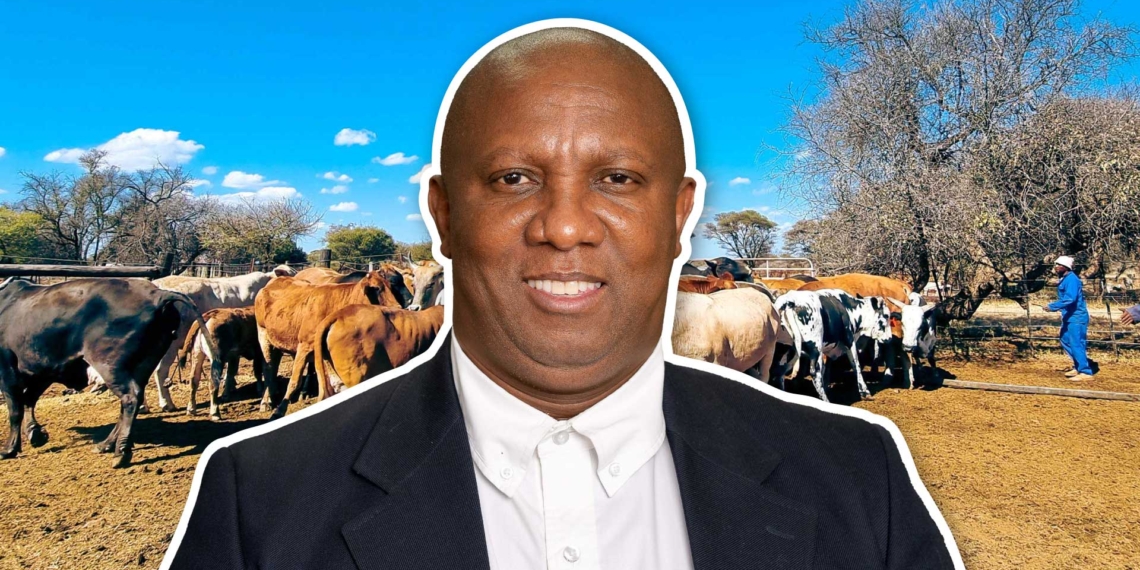
- Peter Setou is the CEO of the Vumelana Advisory Fund, a non-profit organisation that was established in 2012 to help communities in the land reform programme to put their land to productive use through its Community Private Partnership (CPP) model. The views and opinions expressed in this article are those of the author and do not necessarily reflect the views or positions of Food For Mzansi.
READ NEXT: Farming friends turn lockdown losses into a permaculture haven
Sign up for Mzansi Today: Your daily take on the news and happenings from the agriculture value chain