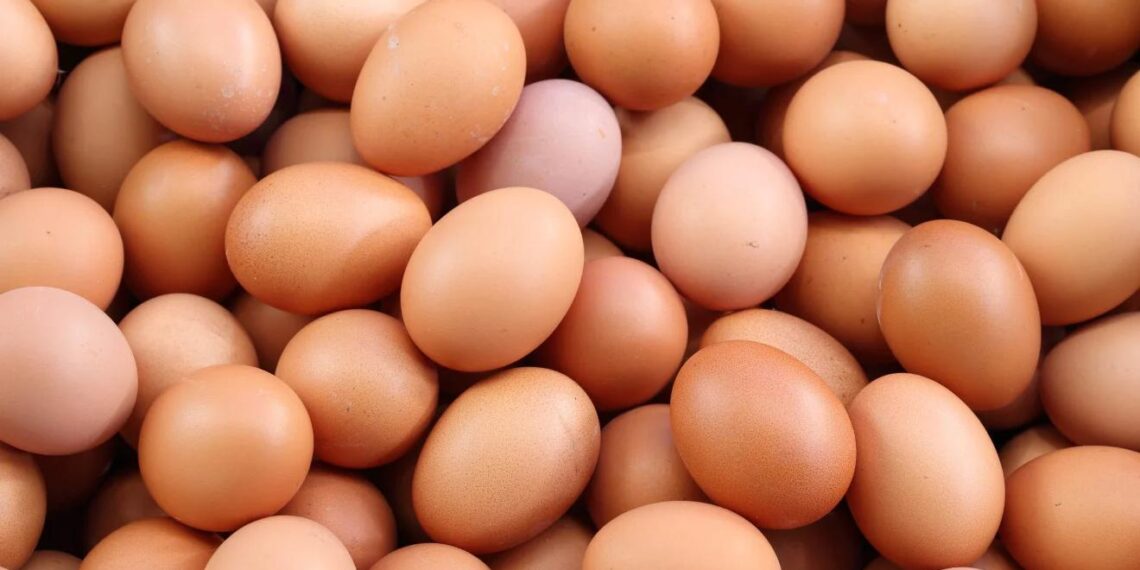
Lesotho’s government, through the agriculture ministry, has announced restrictions on the importation of eggs, cabbage, and potatoes.
The directive, communicated by the minister of gender, youth and social development, Pitso Lesaoana, on behalf of the ministry of agriculture, food security and nutrition, is expected to bolster domestic production and improve market access for local growers.
Lesaoana said the decision stems from recommendations made by the ministry’s marketing department, which noted a steady rise in local production of the targeted products.
Monitoring of restricted products
According to the ministry, imports of eggs for consumption were officially restricted in January 2025, while similar measures for cabbage and potatoes came into effect in June 2025.
“The restrictions will remain in place until further notice.”
“The ministry is committed to working with all government departments, port authorities and security agencies to ensure that no illegal imports take place, even at official points of entry,” Lesaoana said.
Related stories
- SA, Lesotho strengthen ties to boost agriculture and industry
- Lesotho’s food crisis threatens SA’s border security
- Broilers: Small-scale success starts with these steps
He emphasised that the restrictions are based on production capacity within the country and will be continuously reviewed.
“We will remain vigilant and responsive to the needs of farmers, businesses, and consumers to ensure that the policy benefits all,” he added.
Supporting the announcement, director of marketing Lekhooe Makhate confirmed that prices of the restricted products will be monitored every week.
He said the ministry is prepared to invoke the price control law if abnormal price hikes are observed.
“We expect all locally produced eggs, cabbage, and potatoes to meet the required standards in terms of quality, quantity, and price. These parameters will be regularly assessed to maintain consistency and fairness in the market,” Makhate stated.
- This article was first published by Seahlolo and written by Ntsoaki Motaung.
READ NEXT: Women in agriculture: Qualified but still sidelined