The ever-changing market dynamics in the macadamia industry are cautiously optimistic this year, supported by expanding global demand and reduced tariffs in key markets.
South Africa remains the world’s largest producer of macadamia nuts, with the harvest season that started in early March and is set to continue through to early spring.
Average prices this year highlight the industry’s growth from a niche nut category to an established part of the global tree nut basket. Prices for halves have trailed those of whole kernels, largely due to increasing volumes of this style, some carry-over stock across the industry, and last year’s disruption in key export markets such as the US, caused by Labour Day tariffs.
This year, average prices show a 4.4% increase in the US dollar price paid for whole kernels, from US$13.50/kg last year to US$14.10/kg this year. Average prices paid for nuts that crack into halves and pieces have decreased by 8.7%, from US$9.90/kg last year to US$9.04/kg this year.
Diversification strategy pays off
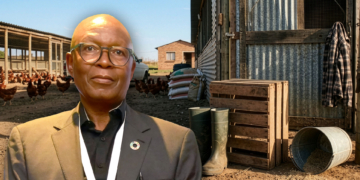
Shane Hartman, chief executive officer of Global Macadamias, said tighter margins mean growers now need to focus on areas within their control, particularly selecting processors that could maximise whole-kernel recovery.
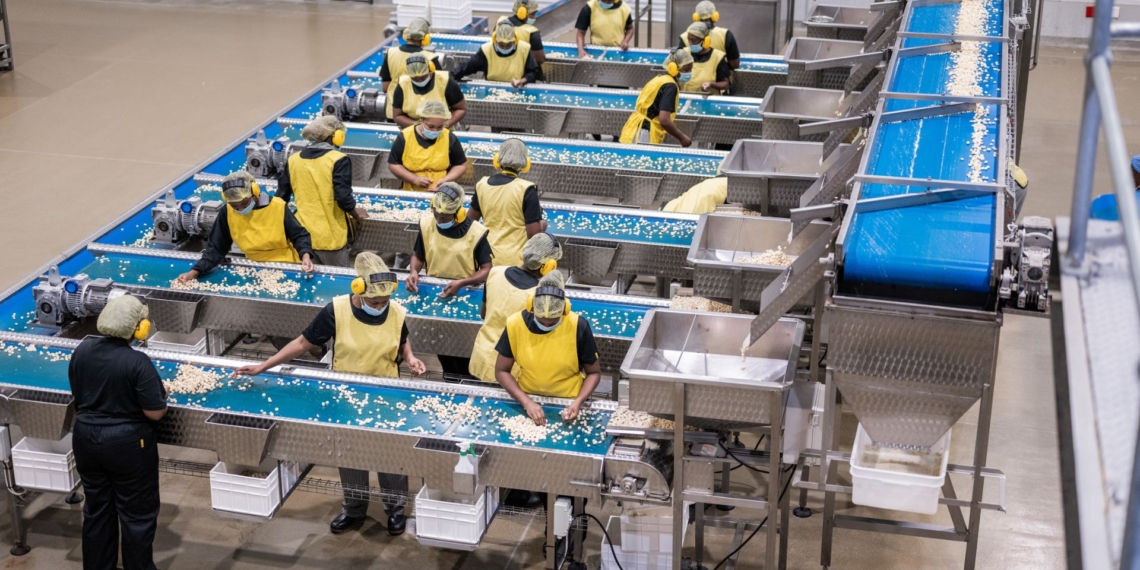
“The greater the ability of a processor to keep kernels whole during the cracking process, the greater the returns for growers. Whole kernels have always commanded a premium, and in the current market, maximising whole-kernel recovery is key to supporting grower returns,” Hartman said.
Global demand for macadamias is rising, and a more favourable import duty environment bodes well for Global Macadamias’ ongoing efforts to diversify markets and increase consumption.
Related stories
- Macadamia exports adapt to changing markets, US tariffs
- US tariff hike could crack SA macadamia exports
- SA’s water crisis puts farmers and food security at risk
- Turning food waste into healthy meals and compost
Graeme Taylor, Global Macadamias’ corporate general manager, noted that in the US, confidence in macadamias is returning among buyers. “At the start of last year, macadamia sales were really gaining momentum. But the Labour Day tariffs, and the volatility that followed, scared a lot of buyers.
“Now that the tariff has been reduced to zero, at least for this year, we are seeing more interest in macadamias. Buyers are quite confident that the tariff debacle will settle down, and as confidence in macadamia supply rises, so too will demand, and potentially prices in the long term.”
Asia, Middle East, European sales
Inroads have also been made in Asia and the Middle East. “When the US market paused, the rest of the world kept moving. We’ve been able to open markets and sales channels in previously unserved regions, including those in Singapore, Kuala Lumpur, and Japan.
“Sales to Europe are also expanding, both within traditional areas like Spain, Germany and the Netherlands, and new countries like Poland and Lithuania. Our reputation for supplying high-quality macadamias has paid off in the Japanese market, where market share has also expanded,” Taylor said.
He noted that the expected removal of the 12% import tariff for South African macadamia nuts into China this year would bode well for sales to this market. “Both in-shell and kernel sales into China are expected to increase this year, although caution should be exercised in this market to prevent over-reliance.”
Looking ahead, Taylor said that South Africa’s growing volumes from new orchards coming into production, and a stringent focus on quality, meant that buyers and product developers could bank on macadamias.
“This kind of confidence will increase pricing and demand stability in the long term. The removal of tariffs in the US and China has removed trading barriers, and together with the vast diversification in markets we have achieved, will bring a lot of opportunities to grow demand,” he said.
READ NEXT: KZN premier calls for calm after Ingonyama Trust board axed