A full third of all the food we produce, about 10 million tonnes annually, ends up in landfills as waste, despite 70% of South African households facing moderate or severe food insecurity during the course of a year, according to research by WWF.
To raise awareness and combat food waste, companies such as FoodForward SA and Ladles of Love have been recovering food and redistributing it to people in vulnerable communities.
We spent some time with the two companies to capture how they are helping to address food insecurity.
FoodForward SA distributes food through over 2 500 beneficiary organisations across the country. In the Western Cape, donations are received at this warehouse, which also serves as their national head office in Lansdowne, Cape Town.
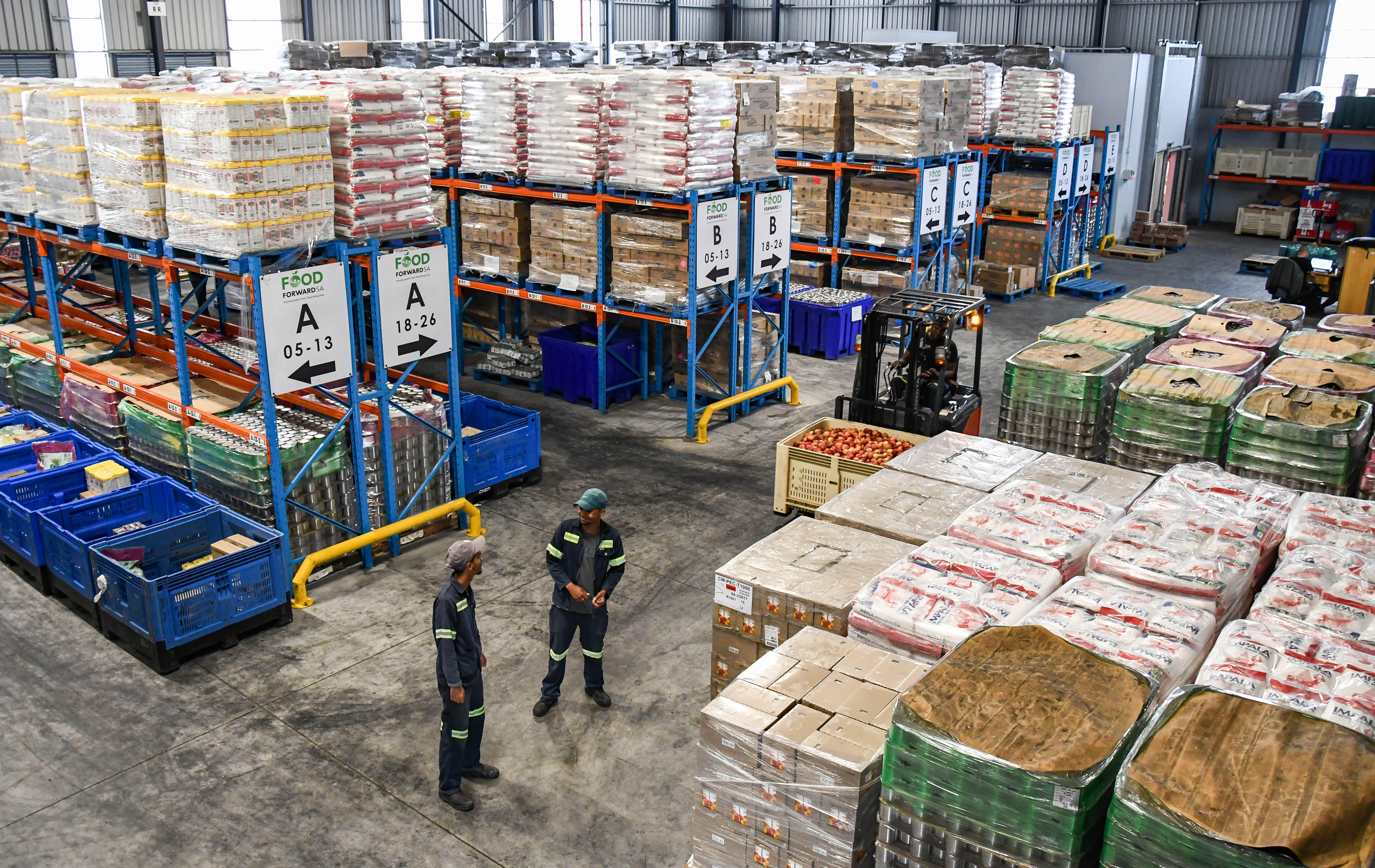
FoodForward SA (FFSA) works with farmers, manufacturers and retailers to recover edible surplus food. It distributes almost 21 000 tonnes of food annually through 2 519 organisations across the country. It estimates that over a million meals are served daily through these partnerships.
In the Western Cape, donations are received at its warehouse and national head office in Lansdowne, Cape Town.
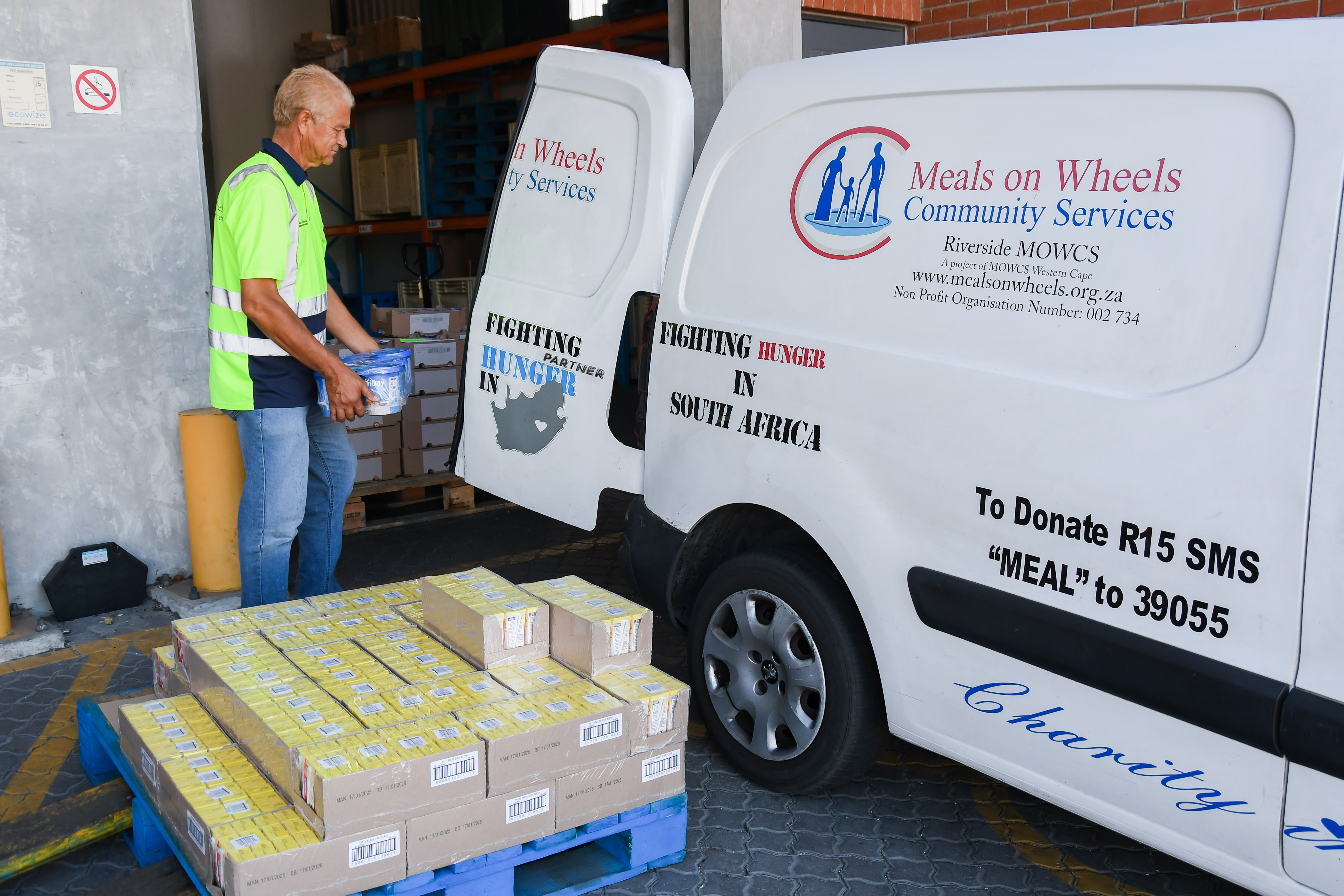
Alister Lawrence from Riverside Meals on Wheels Community Services collects food from the FoodForward SA warehouse in Lansdowne, Cape Town. Photo: Jeffrey Abrahams
Andy du Plessis, managing director of FFSA, said, “Despite remarkable global advances in food production, vast quantities of edible surplus food are still discarded every day, while countless children go without a meal – sometimes for days. The devastating irony is that the food needed to save lives exists, yet remains out of reach for those who need it most.”
Related stories
- How logistics & packaging industries can cut food waste
- KwaNdaba farmer transforms food waste into farm wealth
- How to effectively manage food waste on farms
- Save the environment: Food waste adds to land degradation
FFSA delivers supplies to central pick-up points where beneficiary organisations collect it. At Beautiful Gate in Philippi, food parcels are handed out as part of its Mother and Child Nutrition project to pregnant women, nursing mothers, and children under five.
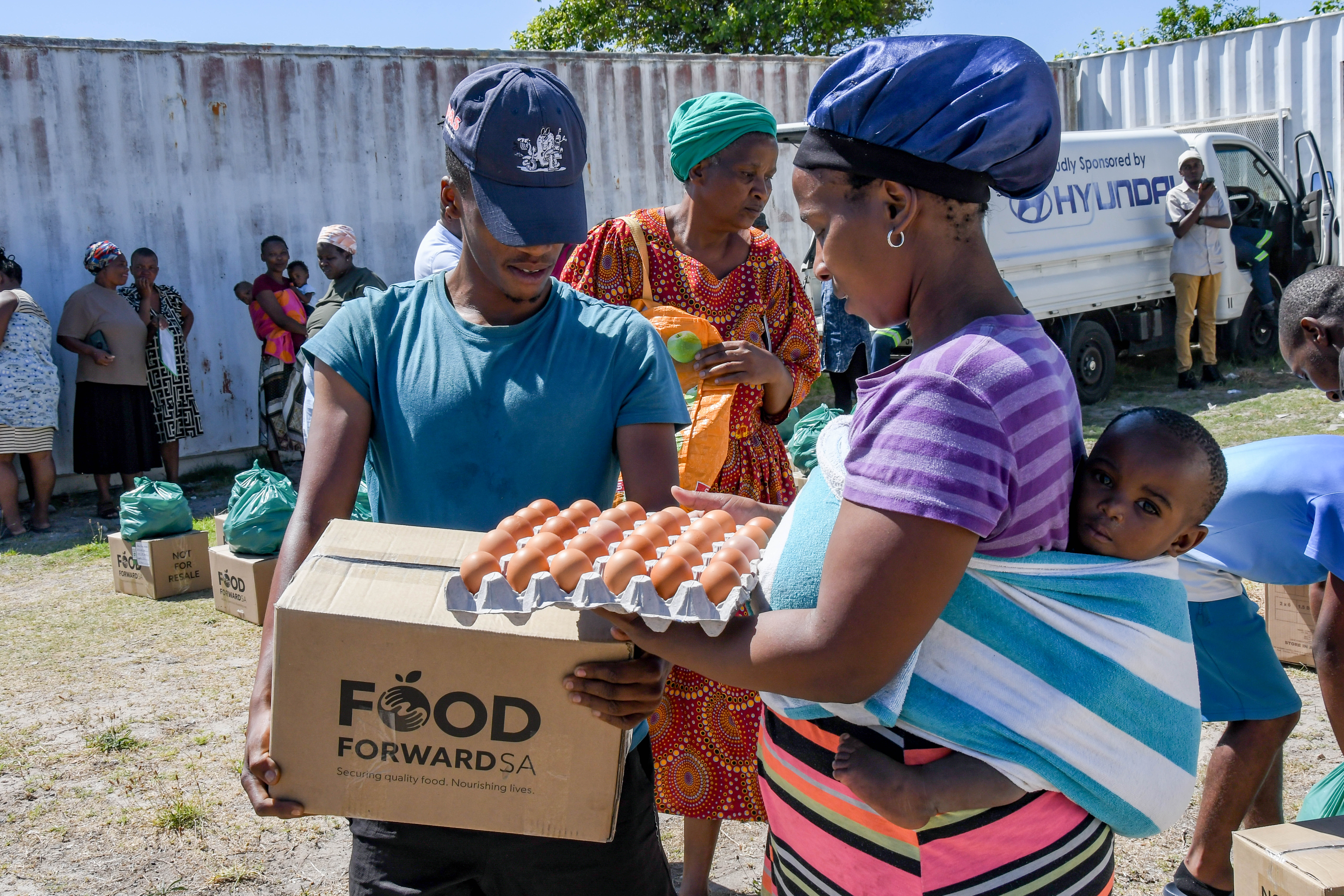
Siyambonga Jebese hands over a FoodForward SA parcel to Yekelwa and baby Lubanzi Mbure, beneficiaries of the Mother and Child Nutrition project. Photo: Jeffrey Abrahams
On the day we visited, each parcel contained maize meal, samp, soup mix, tinned fish, soya mince, sunflower oil, peanut butter, jam, flour, baked beans, rice, sorghum porridge and a tray of eggs.
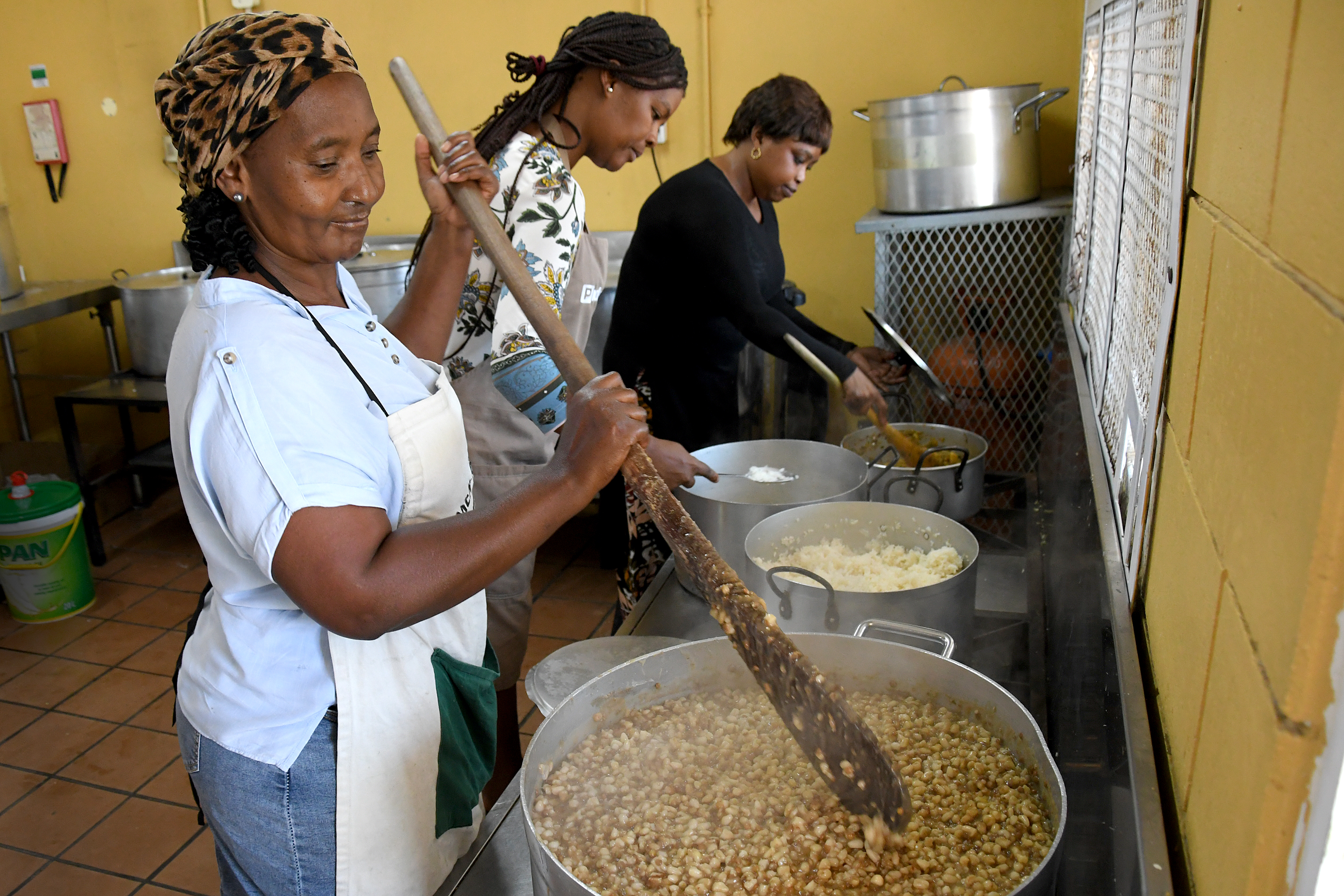
FoodForward SA works with farmers, manufacturers and retailers to recover surplus food that would not have reached consumers. It is safe, edible food that goes unsold or unused due to overproduction, cosmetic imperfections or because it does not meet retailer specifications. This food is used to cook meals for communities.
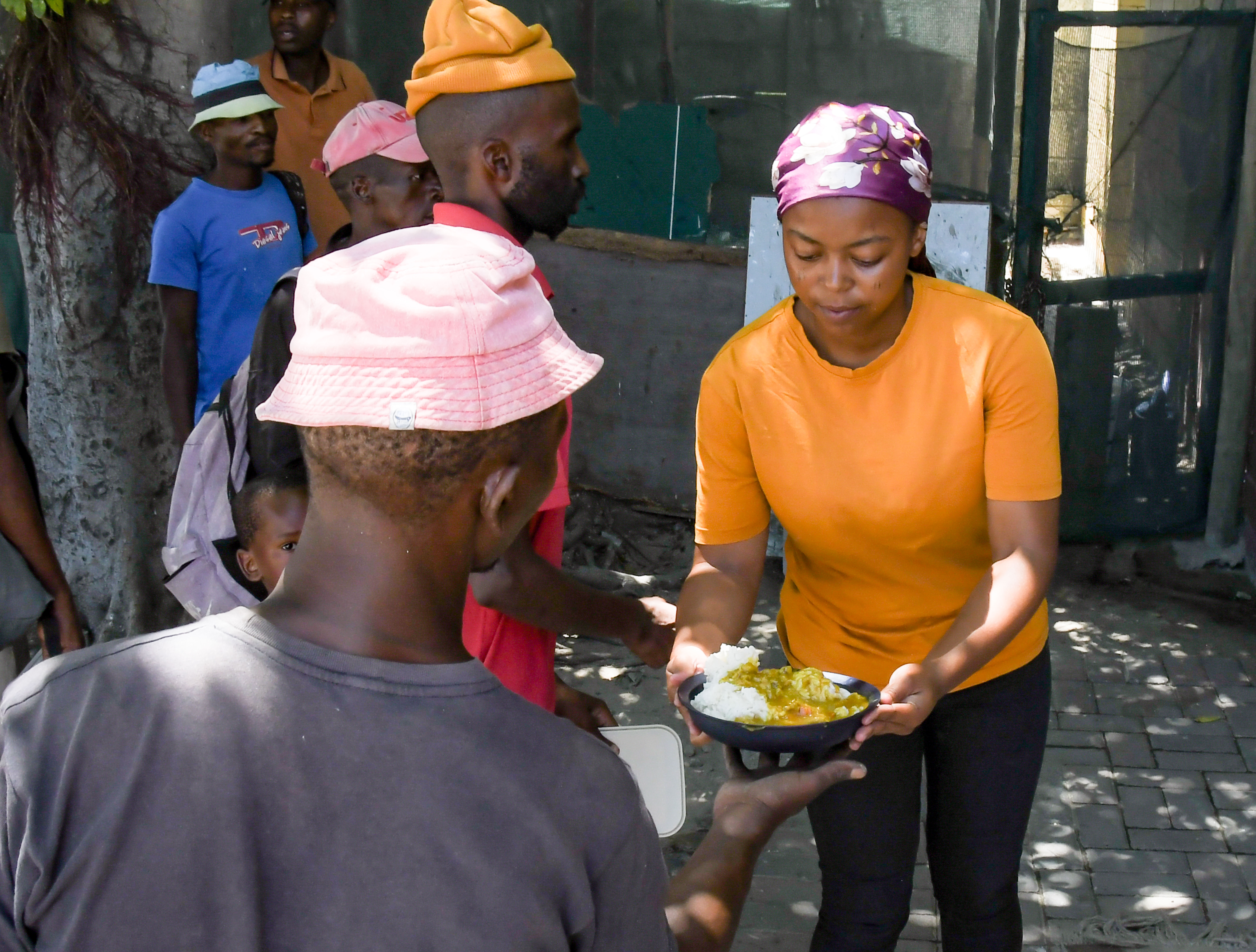
Women for Peace is one of FoodForward’s beneficiary organisations. At their Nobantu skills centre in Mfuleni, they provide 360 meals daily. They also make an additional 300 meals as part of their After School programme. Volunteer Thimna Janda serves food and helps learners with their homework. Photo: Jeffrey Abrahams
Ladles of Love, based in Epping, Cape Town, has a unique approach. Through its Feed the Soil programme, leftover and inedible food waste from homes and businesses is collected and converted into compost. This compost is then donated to community gardens, which grow organic vegetables and greens. And so a cycle is completed, from discarded leftovers back to healthy, fresh food.
“The beauty of this programme is when you see how food turns back into soil that regrows food,” says Daniele Diliberto, founder of Ladles of Love.
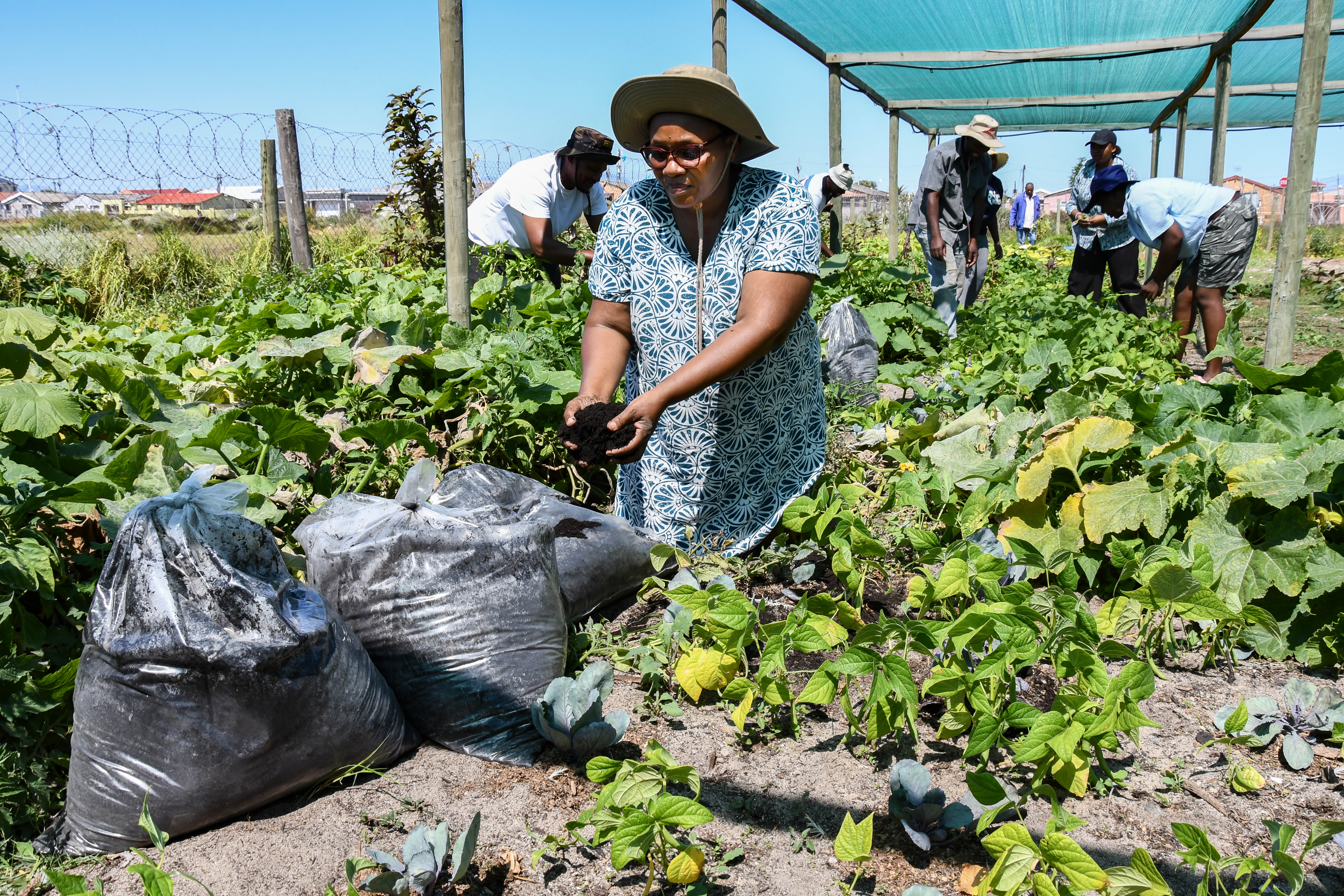
Nolitha Sibobosi, manager of the Vukuyibambe garden in H-Section Khayelitsha, works compost from the Feed the Soil programme into the ground. The produce of about 100 such farms, more than 154 tons valued at R3.6-million, is bought back by the program and distributed to soup kitchens. Photo: Jeffrey Abrahams
For a once-off fee of R200, Ladles of Love provides sawdust, bukashi and a container to store leftovers and food waste. At the Blue Route Mall every Tuesday, Arthur Ganco collects the full bins and swaps them for empty ones. This waste, more than 298 tons so far, is converted into compost for growing organic vegetables.
“For me, the most important thing is that the waste that we generate does not go to landfills but is used productively. Everybody must do his bit,” said Jan Maree, receiving his new bin at the mall.
The produce for sale is from community farmers who also get the compost through the project.
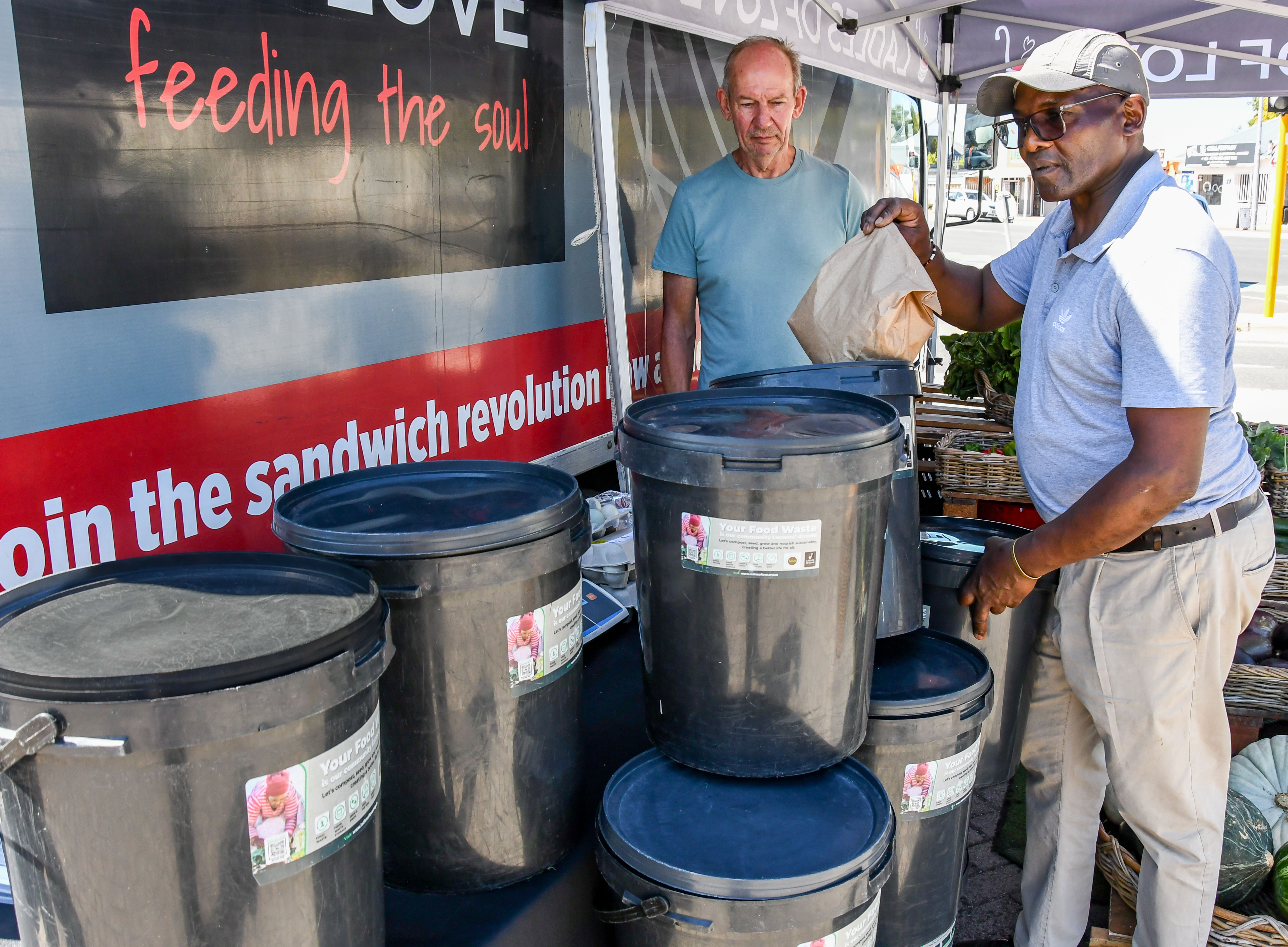
Ladles of Love provides sawdust, bukashi and a 20-litre bin for leftovers and waste food. Photo: Jeffrey Abrahams
- This story was first published by GroundUp.
READ NEXT: WC farm equity schemes under fire after worker exploitation claims