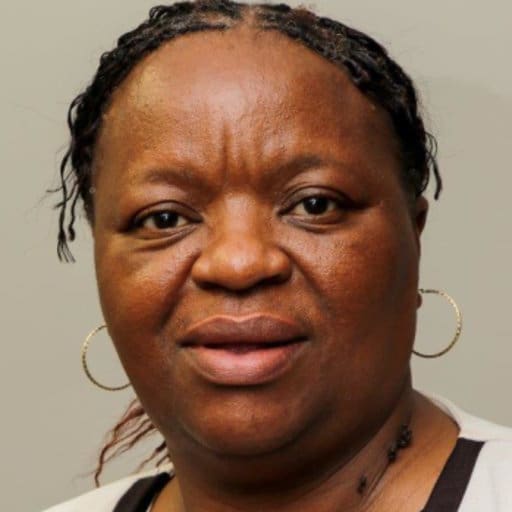
In a passionate appeal marking World Food Day yesterday, Professor Xikombiso Gertrude Mbhenyane, the DSI-NRF South African research chair in food environments, nutrition, and health, stressed the urgent need to promote indigenous food for improved public health.
“We need to campaign and promote the idea that people must eat fruits and vegetables, including the indigenous foods. The consumption of fruits and vegetables, let alone indigenous foods, is very low in the country. There’s a thing about meat that we need to get out of the people,” urged Mbhenyane, highlighting the pressing need for interventions in South Africa to ensure both food security and enhanced nutritional well-being.
Mbhenyane, a leading scholar based at Stellenbosch University, drew attention to her extensive research findings, indicating a concerning low consumption and sale of indigenous plants in South Africa.
She emphasised the health benefits of indigenous foods, stating, “If people ate more indigenous vegetables, they would be protected because they have phytochemicals that will make your body able to resist when your organs are not working properly… They do a lot of good things in our body.”
READ NEXT: Water is life, water is food – use it wisely
Local is lekker and healthy
Highlighting the disparities in the commercialisation of indigenous foods, Mbhenyane remarked, “If you go to the United States, they’ve got a lot of greens. If you go to Thailand, or India they are commercialised… The Mediterranean diet, because it consists of a lot of local food, it’s very good for the prevention of non-communicable diseases such as diabetes and hypertension.”
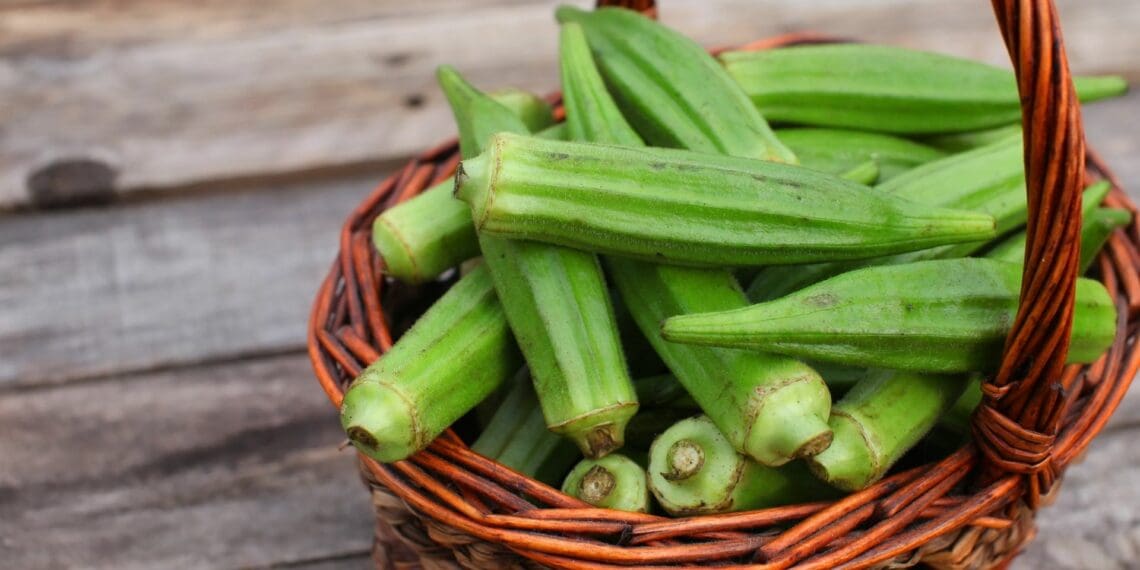
Some of the crops that are indigenous to Africa include cowpea, amadumbe, okra, Cucurbuta (traditional pumpkin), Amaranthus, Corchorus (“delele” in Tshivenda; “thelele” in Sepedi; “gushe” in Xitsonga) and Cleome gynandra (African cabbage, “murudi” in Tshivenda; “morotho” in Sepedi; and “bangala” in Xitsonga).
Access remains a stumbling block
Regarding the current challenges faced in accessing indigenous foods, she stated, “We still eat the indigenous foods, but not as much as we eat other foods because of access… You should be able to buy indigenous vegetables where you buy any other food. But now you have to make an effort to get them.”
Addressing the importance of water in the context of food, she emphasised, “You can’t separate water and other food… Water is an essential nutrient for food to be utilised, and therefore water scarcity will affect the utilisation of food… Water is essential in the way that the body uses food.”
Mbhenyane’s words serve as a rallying cry for South Africa and the global community to re-evaluate dietary choices, promote indigenous foods, and emphasise the crucial relationship between water and food for a healthier, more sustainable future.
READ NEXT: World Food Day: Sustainable farming key to global food security
Sign up for Mzansi Today: Your daily take on the news and happenings from the agriculture value chain.