In a bid to address the ageing population of farmers in the Northern Cape, the provincial government has invested R7.2 million in a programme aimed at getting more young people involved in the agricultural sector. The programme, which has just seen its first batch of graduates, is geared towards equipping unemployed agriculture graduates with the necessary skills to start their own agribusinesses.
According to the Northern Cape department of agriculture, environmental affairs, rural development and land reform MEC, Mase Manopole, the agricultural sector in the province is currently facing a crisis.
“When I started in the department some few years ago, I asked in terms of our farmers registered, how many women, people with disability and youth do we have on our database? A shocking revelation was that about 80% of the farmers in our province will be going on retirement soon and the majority are men. The young people, women and people with disability are few,” she said.
Previous programme a huge success
To combat this issue, the government launched a two-year on-the-job training programme for 72 unemployed agriculture graduates in 2021. The graduates were placed on relevant farms or enterprises within the agricultural value chain to acquire the necessary skills to start their own agribusinesses. The programme cost the department R7.2 million.

The graduates were supported by the department in developing bankable business plans with the help of economists and other relevant experts during the last six months of the programme. The programme has already produced its first set of graduates, with 68 out of the original 72 completing the course.
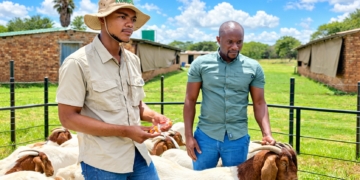
Some of the graduates shared their experiences during the programme. For example, Gordon Ramaisa managed to purchase eight ewes and one ram of the merino breed, which he keeps on the 36-hectare farm of his mentor in Hangklip. He also started rearing chickens for meat production, which he sells to OVK and small markets in Colesburg.
Tshireletso Maphula was able to pay half of her outstanding study fees and save money to buy sheep and feed. GoitseModimo Melodi produced maize and fresh vegetables from her backyard garden in 2021 and used the Pesi voucher to erect a 40% shade net tunnel and buy seeds. She also bought two Boer goats and two Dorper sheep with her stipend.
Raisins South Africa gets involved
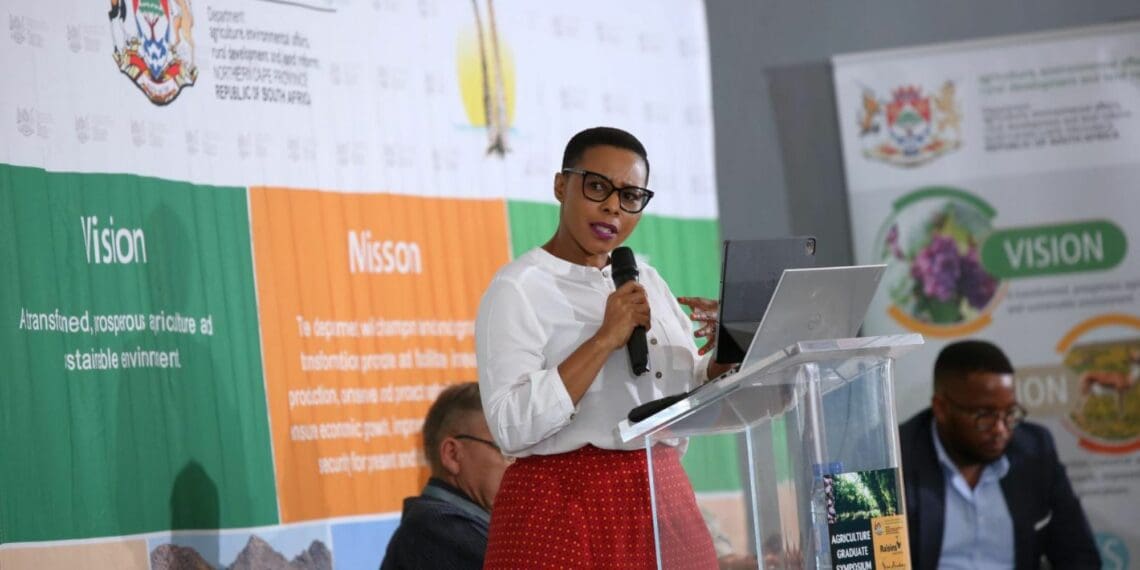
Raisins South Africa, which hosted the 2023 Agriculture Graduate Symposium, played a key role in the programme. The company partnered with various institutions and stakeholders in the agriculture sector to ensure the success of the programme.
Ferdie Botha, CEO of Raisins South Africa, emphasised the importance of getting graduates experience in the field they’ve studied and exposure above and beyond their field of studies.
“In the past two years, the emphasis was put on providing technical and financial skills as well as laying the foundation for the entrepreneurial journey within the agriculture sphere. Besides only focusing one-sidedly on job placement, Raisins SA ensured that development factors were put in place to leverage the emotional intelligence stimulation of the interns which was needed to prepare them for the two-year journey,” he said.
ALSO READ: Persistence pays off for Northern Cape farmer
Sign up for Mzansi Today: Your daily take on the news and happenings from the agriculture value chain.