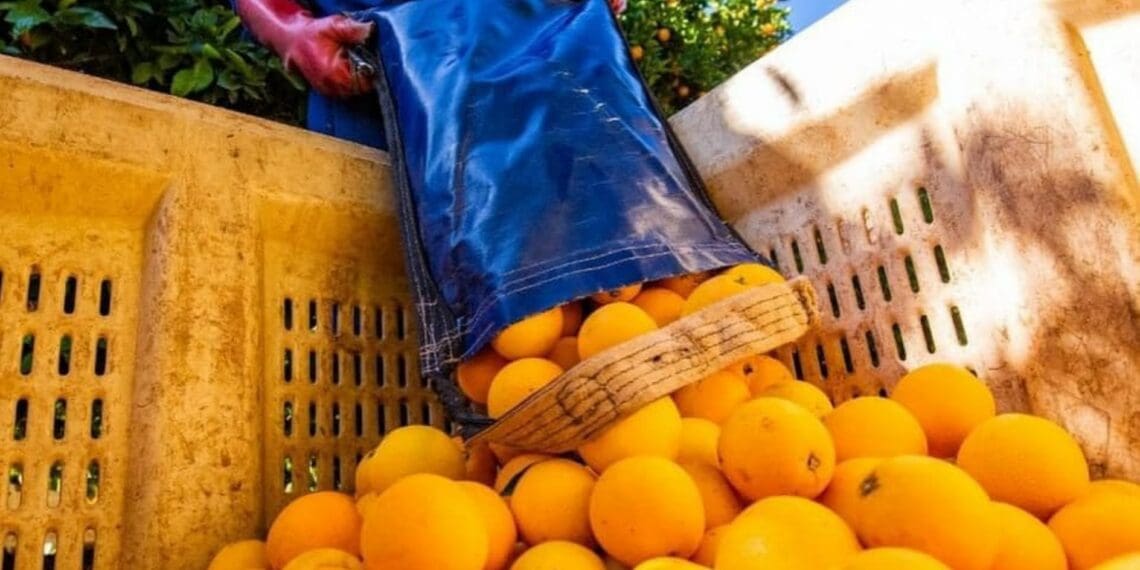
South Africa’s citrus industry is poised for strong growth. With young trees already in the ground, and maturing, the numbers are not mere “guestimates”, says Agricultural Business Chamber’s (Agbiz) fruit manager, Wolfe Braude.
To accommodate this growth, expanded logistics, pack houses, cold stores, port logistics, and market access will be needed, Braude said.
His stance comes on the back of the 2023 Citrus Summit that he attended this week in Gqeberha in the Eastern Cape. The summit unpacked the thinking and data underpinning the expected increase to over 500 delegates.
Braude said, “South Africa is the second largest exporter of citrus globally, and the industry expects production to grow from 160 million cartons to 260 million over the next decade.”
Far from the finish line
The summit was also attended by the minister of agriculture, Thoko Didiza, who in her opening address spoke of the department’s plans for market access trips to East Asia in 2023, the paralysing impact of the European Union’s (EU) indefensible cold treatment measures for citrus, and the inconclusive outcome of negotiations thus far with the EU.
Didiza assured citrus farmers and the industry that every effort is being made to ensure fair and consistent access to the EU market.
“Over the past few months, we have used every technical and political opportunity to voice our concern over the paralysing impact of these regulations to the EU authorities and we will continue to do so,” Didiza said.
The process won’t be easy
“Is this going to be an easy process? Experience, to date, has clearly indicated, that it will not be an easy or quick process.”
Didiza remarked that it is therefore important that efforts continue to access new markets and improve existing market access for citrus.
Market access panel speakers noted that a World Trade Organization (WTO) panel was the next step that could be followed in the EU dispute. This is if the government chooses to take the WTO process forward in the face of the EU’s refusal thus far to revisit the measures.
“Such a panel and its outcome would however take around 18 months to be concluded,” Braude said. “As a result, CGA (Citrus Growers Association) and the industry are actively working with members to explore how best to manage the expected severe impact of the EC measures in 2023 and 2024.”
African prospects excite Didiza
The minister encouraged the industry to relook at Africa as a possible market.
“We are aware of the African Continental Free Trade Agreement and the opportunities it offers towards facilitated trade on the African continent,” Didiza said.
“I wish to challenge the citrus industry to lead a process towards finalising a roadmap on expanding our trade in citrus on the African continent. I would be happy to receive such a plan for consideration whereafter I can express my detailed commitment to supporting it.”
Aware of challenges
Didiza assured attendees that she was not oblivious to some of the other factors which are negatively impacting the profitability of growers. She was pointing to high input costs, high transport costs, and high shipping costs, adding that load shedding continued to be a debilitating concern.
“It remains a high priority for South Africa to ensure that the spread and introduction of quarantine pests and diseases are either prevented or limited in order to prevent its potentially destructive impact on sustainable production.
“The annual performance plan of the department, therefore, continues to focus on the surveillance of key pests and diseases of concern for both plants and animals.”
Meanwhile, Braude remarked that citrus is a key component of SA’s remarkable positive trade balance.
The booked-out summit, he believes, testifies to the commitment and momentum of growers and the entire industry value chain that places precious fiscal resources in the state’s hands for national development.
READ NEXT: Five ways to protect farmworkers from the heat
Sign up for Mzansi Today: Your daily take on the news and happenings from the agriculture value chain.