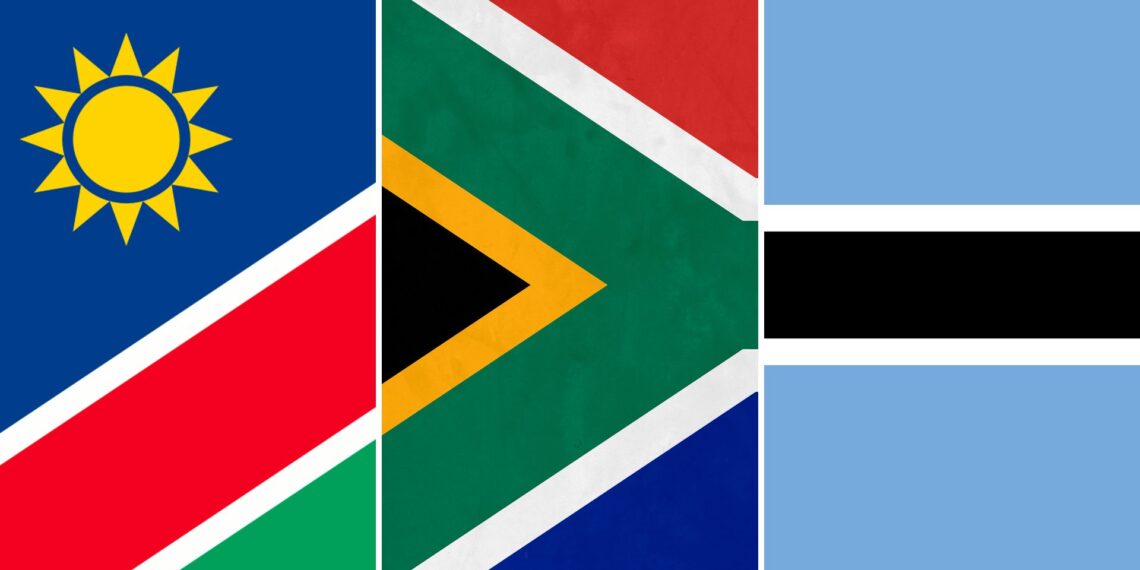
The recent decision by neighbouring countries to lift restrictions on livestock and maize imports is set to ease tension and alleviate concerns that arose due to disease outbreaks. Namibia and Botswana have officially removed their bans on grain imports from South Africa, which were initially imposed after the detection of Goss’s wilt in maize. This marks a significant step toward normalising agricultural trade in the region.
The lifting of restrictions from the two countries came shortly after Zimbabwe also lifted the ban on South African livestock following the outbreak of foot-and-mouth disease (FMD).
Hamond Motsi, a PhD researcher at Stellenbosch University, said FMD is a dangerous disease and South Africa is the food basket of the region, so whatever happens in the country – good or bad – might affect those countries.
A win for both countries
“When Zimbabwe imposed this ban it was all about ensuring that the disease does not spread. The other thing is that Zimbabwe does not like to import livestock from South Africa for beef but actually imports them for breeding purposes, such as that they mix their local genetics with the ones from South Africa.
“So the lifting of the ban is a positive move as from South African side they can have their opening of the markets and then in Zimbabwe, they can also get what they want whether is beef or live animals to use for their breeding purposes. So it’s a positive outlook for the two countries,” Motsi said.
He added that the best measure is monitoring how the diseases occur and proactively taking action, including stopping the movement of the animals.
Related stories
- Botswana lifts vegetable import ban from SA
- Beef over veggies: Botswana and Namibia clash with Mzansi
“At the moment livestock farming in Zimbabwe is mainly communal farming. There are actually few commercial farmers when it comes to beef and dairy [and] when it comes to cattle farming, which is the major in the country.
“With the drought that occurred, there was a huge mortality especially in small-scale and communal land farmers as there was not enough grass for the livestock to graze. So the commodity has been under severe pressure in Zimbabwe,” he said.
South Africa’s agriculture minister John Steenhuisen welcomed Namibia’s lifting of the ban on maize.
According to the ministry of agriculture, water and land reform in Namibia, research conducted and ongoing monitoring revealed that Goss’s wilt primarily affects maize seed rather than the grain itself.
“While the ban has been lifted the ministry advises caution in the importation of the plant and plant products to prevent the introduction of harmful diseases into Namibia.
“Importers should avoid the movement of potentially affected materials to reduce the risk of introducing these bacteria into the country. The ministry encourages producers, importers and the public to act prudently and to follow all guidelines set forth to mitigate risks,” the Namibian ministry said in a statement.
Better cooperation is needed
Agbiz chief economist Wandile Sihlobo said the Botswana and Namibia governments are correct in paying close attention to potential crop diseases when importing agricultural products.
“On the issue of Goss’s wilt detected in a few maize-growing areas of South Africa, both countries are likely overreacting by banning grain imports from South Africa. Their decision to include wheat in the ban is also not fully supported by science, and the reality is that nothing is in the wheat regions of South Africa.
“The blank ban threatens food security and businesses in both countries. It would help if the authorities in both countries reviewed their recent announcements and the ban on maize imports out of South Africa,” he said.
Sihlobo noted that better cooperation between the countries is needed more than ever in this fragmented world, unlike non-tariff trade barriers.
“We are delighted that Botswana has immediately lifted the ban on South African imports. Things are back to normal now. The South African scientists and officials in Botswana did a great deal of work to ensure there were no risks in the grains trade,” he said.
Meanwhile, the ministry of lands and agriculture in Botswana said in a statement that all import permits for maize seed which were issued in January remained cancelled.
“The importation of maize seed will be under revised conditions. Customers are therefore advised to apply for new maize seed import permits,” the Botswana ministry said.
READ NEXT: Expropriation Act fires up debate as legal battles loom
Sign up for Mzansi Today: Your daily take on the news and happenings from the agriculture value chain.