The publication of the draft plant health regulations under the Plant Health (Phytosanitary) Act, 2024 (Act No. 35 of 2024), marks a critical step towards strengthening South Africa’s plant biosecurity system.
The regulations, open for public comment until late October, aim to improve how the country prevents and manages plant diseases and pest outbreaks, an issue that continues to have a direct impact on farmer profitability, crop yields, and food security.
The Act, which was approved in December 2024, regulates the movement of plants, plant products, and other regulated articles into, within, and out of South Africa. The draft regulations, published in the Government Gazette No. 53424 on 26 September of this year, include:
- Control measures (R.6664) – restricting the movement of infested plant material to prevent the spread of pests and diseases.
- Export regulations (R.6665) – ensuring export consignments meet importing countries’ phytosanitary requirements.
- Import regulations with a permit (R.6667) – preventing the introduction of regulated pests into South Africa.
- Import regulations without a permit (R.6666) – allowing importation under specific phytosanitary conditions.
Positives and concerns
According to the department of agriculture, the regulations are designed to “improve and strengthen the plant biosecurity system of South Africa through phytosanitary measures to prevent the introduction and spread of regulated pests that threaten the agricultural sector.”
Related stories
- Plant health: how to treat leaf diseases on maize
- Biotech crops in South Africa: A modern farming revolution
- La Niña brings flood risk, above-normal summer rain
- Four steps to formalise your farm and unlock finance
While the legislation represents progress in plant protection, industry experts highlight the need for clear guidelines and stronger trust between farmers and authorities.
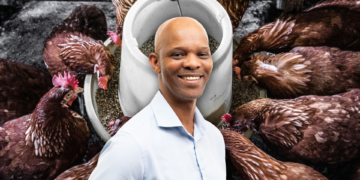
Grain SA research coordinator, Dr Godfrey Kgatle, noted that when diseases emerge in a farmer’s field, the responsibility falls on the farmer to report or eliminate any disease found in their fields. However, there remains uncertainty around what these processes entail or how they should be implemented in practice.
“When amaranthus comes on his field, when Agostus’ worm comes on his field, they tend to hold back with fear. So fear and trust are one of the major challenges,” Kgatle said.
Kgatle noted that the introduction of the plant health regulations could help build confidence by defining clearer procedures for disease reporting, quarantine, and eradication, while ensuring that farmers are supported rather than penalised for transparency.
The chemistry challenge and food security risks
Kgatle also raised concerns about the availability of crop protection tools, noting that regulatory delays have affected access to vital chemicals.
“We’ve seen a removal of chemistry from the registrar’s office and the implication. You get a farmer from the Western Cape coming up and saying, ‘I just had an aphid, but there’s no chemical that can treat it’.
“We’ve kind of almost seen a spike in stalk rot, fusarium stalk rot, as well as ear rot as a result of this loss of chemistry,” he said.
Kgatle noted that the new regulations, aligned with the broader goals of the Plant Health Act, could help address such risks by improving monitoring systems, facilitating timely interventions, and ensuring that pest and disease management supports both farm productivity and food security.
“If production were any time sooner, our soybeans and grains would have already been decimated. There are mechanisms that we are putting together, like the information hub and the national biosecurity hub, on how we are coordinating effectively and in real time with farmers,” Kgatle said.
Richard Krige, chairperson of Grain SA, said responsibility, honesty, and trust are paramount in the industry. “We all have a responsibility gathered here today to drive agriculture, to drive the economy, to grow the economy of South Africa, to the betterment of everybody that lives within this country,” he said.
Farmer perspective on regulations
For many producers, the proposed regulations are a welcome intervention that could help them maintain productivity and protect their land. Nhlalwenhle Rapodile, a crop farmer from Gauteng, said the timing of the regulations could not be more important.
“They choke up the soil, compete with our vegetables for nutrients, and drive up our costs like crazy. You end up needing more people to clear the weeds, more chemicals to fight them off, and those same chemicals can harm the plants we’re trying to protect. It’s a tough balance.
“It’s about time we had rules that properly protect our land and crops. Especially that one regulation about controlling imports (R.6667), that’s a big win. It’s meant to stop foreign plants and pests from entering the country and messing with our local crops,” he said.
READ NEXT: Four steps to formalise your farm and unlock finance